Công ty Hải Đức Bột với hơn 10 năm kinh nghiệm vận chuyển khí, cung cấp hệ thống‑thiết bị‑quạt gió và nhận dự án tổng thầu bột cả nước
When it comes to handling and transporting magnesium powder, selecting the right conveying method is crucial for efficiency, safety, and product integrity. The choice of conveying system depends on various factors including the powder's properties, the required throughput, and the operational environment. Here, we explore several common methods used by professionals in the industry, with a focus on practical applications and considerations.
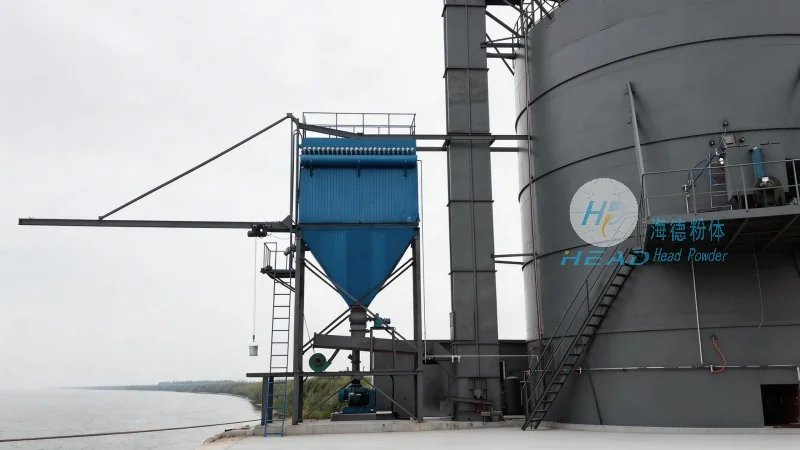
1. Air-Driven Pneumatic Conveying Systems
Pneumatic conveying is a widely adopted method for magnesium powder due to its ability to handle fine powders without the need for mechanical parts that might cause contamination or wear. This system uses compressed air to transport the powder through a pipeline. There are two main types: pressure and vacuum systems. Pressure systems push the powder from a central source, while vacuum systems draw it from a collection point. The choice between them often depends on the distance and the volume of material to be moved. For magnesium powder, which can be reactive and sensitive to moisture, a well-designed pneumatic system ensures that the powder remains dry and free from contaminants, maintaining its quality throughout the conveying process.
2. Screw or Auger Conveyors
Screw conveyors are another effective method for transporting magnesium powder, especially in applications where the material needs to be moved vertically or at a moderate angle. These conveyors consist of a rotating screw inside a tube, which pushes the powder forward. They are simple in design, requiring minimal maintenance, and can be easily integrated into existing production lines. However, screw conveyors may not be suitable for very fine or cohesive powders, as they can lead to blockages or increased friction. In such cases, modifications like using a flexible screw or adding a lubricating system might be necessary. The screw speed and pitch are critical parameters that affect the conveying capacity and the risk of material degradation.
3. Vibratory Conveyors
Vibratory conveyors utilize vibrations to move magnesium powder along a trough. This method is particularly useful for handling bulk materials that are prone to bridging or caking. The vibrations help to break up any agglomerates and ensure a smooth flow. These systems are often preferred in environments where dust control is a priority, as the enclosed design minimizes the release of fine particles. Additionally, vibratory conveyors can be designed to handle materials at various temperatures, making them versatile for different industrial applications. The frequency and amplitude of the vibrations are adjustable, allowing for optimization based on the specific characteristics of the magnesium powder being conveyed.
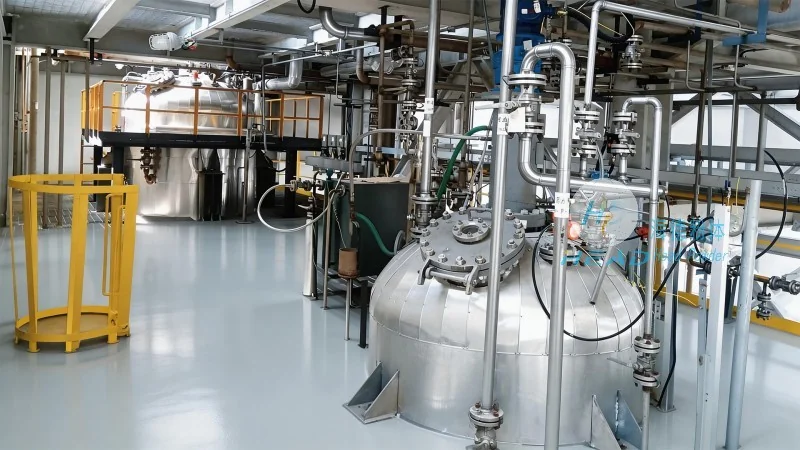
4. Belt Conveyors
Belt conveyors are commonly used for the horizontal or slightly inclined transport of magnesium powder, especially in large-scale operations. They consist of a continuous belt that moves over rollers, carrying the powder from one point to another. This method is highly efficient for high-volume applications and can be easily scaled up to meet production demands. However, belt conveyors require regular maintenance to prevent wear and tear, and they may not be ideal for very fine powders that could cause the belt to slip or degrade over time. Proper selection of the belt material and tension is essential to ensure the longevity of the system and the quality of the conveyed material.
5. Hydraulic Conveying
Hydraulic conveying systems use a liquid medium, typically water or a specialized fluid, to transport magnesium powder. The powder is suspended in the liquid and then pumped through pipes to the destination. This method is effective for long-distance transport and can handle large quantities of material. However, it requires careful control to prevent the powder from settling or clogging the system. Additionally, the liquid must be properly treated to avoid contamination of the magnesium powder, which is crucial for applications where purity is a critical factor. Hydraulic conveying is often used in mining and processing industries where the material is extracted from ore and needs to be transported over significant distances.
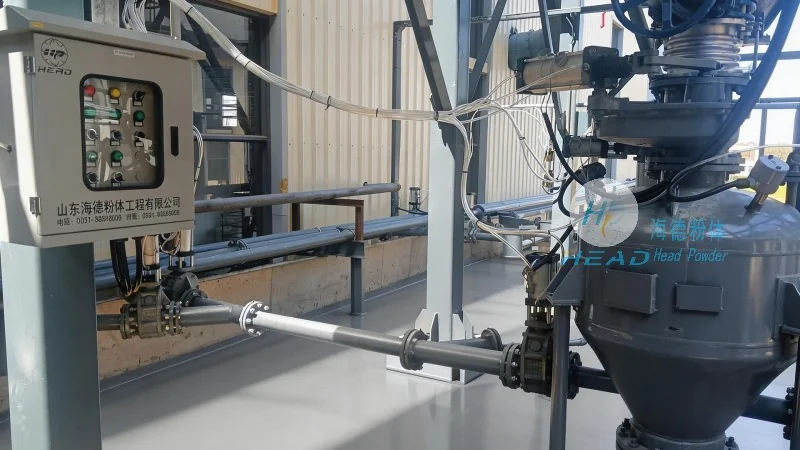
6. Considerations for Choosing the Right Conveying Method
When selecting a conveying method for magnesium powder, several factors must be considered to ensure optimal performance and safety. First, the physical properties of the powder, such as particle size, density, and moisture content, play a significant role. For example, very fine powders may require a pneumatic system to avoid blockages, while larger particles might be better suited for screw or belt conveyors. Second, the operational environment, including temperature, humidity, and the presence of corrosive substances, must be taken into account. Magnesium powder is reactive and can ignite if exposed to moisture or heat, so the conveying system must be designed to minimize these risks. Third, the required throughput and the distance over which the material needs to be moved are key considerations. A small-scale operation might benefit from a simple screw conveyor, while a large industrial plant may require a more complex pneumatic or hydraulic system. Finally, cost and maintenance requirements should be evaluated. While some systems may have a lower initial cost, they may require more frequent maintenance, which can increase long-term expenses.
Conclusion
Choosing the appropriate conveying method for magnesium powder is essential for maintaining product quality, ensuring operational efficiency, and prioritizing safety. Each method has its advantages and limitations, and the best choice depends on the specific needs of the application. By carefully evaluating the powder's properties, the operational environment, and the required performance, industries can select a conveying system that meets their needs effectively. As a leading manufacturer in the field, Shandong HeadPowder Engineering Co., Ltd. specializes in providing customized conveying solutions tailored to the unique requirements of magnesium powder handling. With a focus on innovation and quality, the company ensures that its systems are designed to deliver reliable and efficient performance, helping clients optimize their production processes and maintain the highest standards of product integrity.

 Công ty TNHH Kỹ thuật Công trình Bột Hải Đức Sơn Đông
 156-6277-7102(Quản lý Trương)
  0531-83386006
  Quận Chương Khâu, Thành phố Tế Nam, Tỉnh Sơn Đông, Trung Quốc
Điện thoại
WeChatTư vấn
Lên đầu