Công ty Hải Đức Bột với hơn 10 năm kinh nghiệm vận chuyển khí, cung cấp hệ thống‑thiết bị‑quạt gió và nhận dự án tổng thầu bột cả nước
Efficient sand conveying is a critical component in foundry operations, ensuring smooth material flow from storage to the molding process. The choice of conveying method directly impacts productivity, material quality, and overall operational costs. As a leading manufacturer in the industry, Shandong HeadPowder Engineering Co., Ltd. (headpowder), based in Shandong, China, understands the diverse needs of foundries and offers a range of sand conveying solutions tailored to specific requirements. This article explores the primary types of sand conveying methods, highlighting their applications, advantages, and considerations for optimal performance.
1. Screw Conveyors for Sand Handling
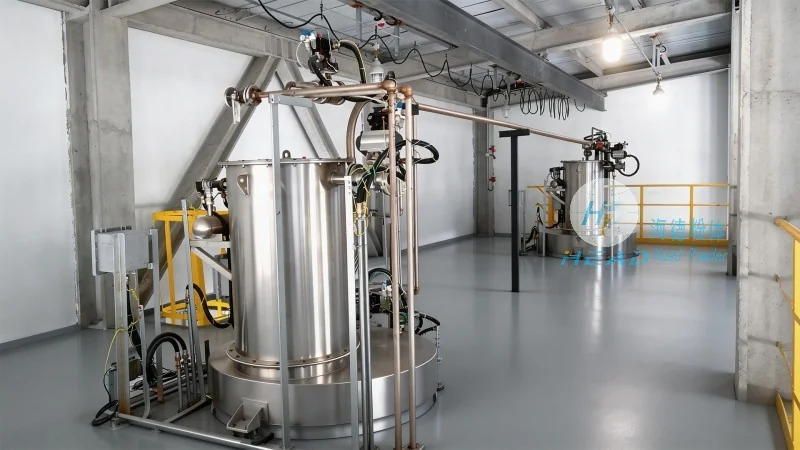
Screw conveyors, also known as auger conveyors, are among the most common and versatile equipment for transporting sand in foundries. These systems utilize a rotating helical screw within a trough to move material forward. The design allows for vertical or horizontal transport, making them suitable for both short and long distances. A key advantage of screw conveyors is their ability to handle a wide range of sand types, including dry or slightly moist sand, without the need for additional drying or conditioning. The enclosed design also minimizes dust dispersion, enhancing workplace safety and environmental compliance. For foundries requiring consistent, low-maintenance material transport, screw conveyors are an excellent choice. HeadPowder's screw conveyor systems are engineered with durable materials, such as stainless steel or high-strength alloys, to withstand the abrasive nature of sand and ensure long service life.
2. Pneumatic (Air) Conveying Systems
Pneumatic conveying, or air conveying, uses compressed air to transport sand in a closed pipeline system. This method is particularly effective for transporting fine or dusty sand over medium to long distances, as it eliminates the need for mechanical contact with the material. There are two main types of pneumatic conveyors: positive displacement and pressure/venturi systems. Positive displacement systems use rotary lobe or piston pumps to create a vacuum or pressure, ensuring reliable material transport even with varying flow rates. Venturi systems, on the other hand, rely on high-velocity air to draw sand into the pipeline, making them ideal for low to medium flow applications. The primary benefits of pneumatic conveying include reduced maintenance compared to mechanical systems, lower energy consumption, and the ability to transport sand vertically with minimal headroom. However, they require careful air pressure management and may not be suitable for very abrasive or large sand particles. HeadPowder offers advanced pneumatic conveying solutions with optimized air flow control and efficient dust collection, ensuring reliable and efficient sand transport for foundries.

3. Belt Conveyors for Bulk Material Transport
Belt conveyors are widely used in foundries for transporting large volumes of sand over long distances. These systems consist of a continuous belt looped over rollers, with the sand placed on the belt and moved by friction. Belt conveyors are highly efficient for horizontal or slightly inclined transport, capable of handling high material loads with minimal energy input. They are particularly advantageous in large-scale foundries where continuous material flow is essential for maintaining production rates. The design allows for easy integration with other equipment, such as storage silos or molding machines, and can be customized to accommodate different sand sizes and moisture levels. A key consideration for belt conveyors is the need for regular maintenance to prevent belt wear and ensure smooth operation. HeadPowder's belt conveyor systems feature heavy-duty belts and robust frame designs, designed to handle the abrasive nature of sand and provide reliable, long-term performance. These systems are ideal for foundries requiring high-capacity, low-cost sand transport over extended distances.
4. Vibratory Conveyors for Gentle Material Handling
Vibratory conveyors use mechanical vibration to move sand along a trough or conveyor bed. This method is particularly suitable for handling delicate or abrasive materials that may be damaged by mechanical contact or high impact forces. The vibration is typically generated by an unbalanced motor or eccentric weights, creating a gentle, continuous motion that minimizes material degradation. Vibratory conveyors are effective for both horizontal and inclined transport, with the ability to handle a wide range of sand types, including fine powders and coarse aggregates. They are commonly used in applications where material separation or sorting is required, as the vibration can help separate different sand sizes or remove impurities. The primary advantages of vibratory conveyors include low energy consumption, minimal maintenance, and the ability to operate in tight spaces. However, they may not be as efficient for high-volume transport as other systems and require careful alignment to prevent material buildup or spillage. HeadPowder's vibratory conveyor solutions are designed with adjustable vibration frequencies and amplitudes, allowing foundries to optimize performance for specific sand characteristics and operational needs.
5. Hydraulic Conveying Systems
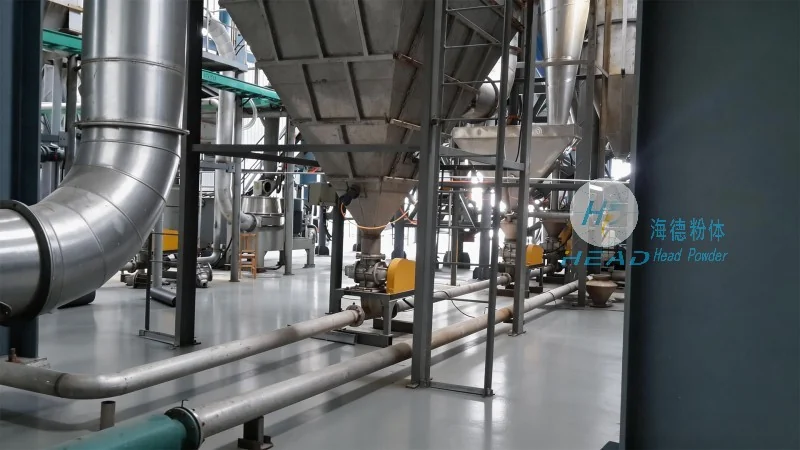
Hydraulic conveying systems use water or a water-sand slurry to transport sand through pipelines. This method is particularly effective for long-distance transport, as it can handle high volumes of material with minimal energy input. The system typically involves a pump that forces the slurry through a pipeline, with the sand suspended in the water. The primary advantage of hydraulic conveying is its ability to transport sand over very long distances (up to several kilometers) with minimal pressure loss. It is also suitable for transporting sand in areas with difficult terrain or obstacles, as the pipeline can be laid underground or over obstacles. However, hydraulic systems require additional equipment for slurry preparation and separation, increasing initial investment and maintenance costs. The slurry must also be properly treated to prevent clogging and ensure environmental compliance. HeadPowder offers hydraulic conveying solutions with advanced slurry management systems, ensuring efficient and reliable sand transport for foundries with long-distance or challenging transport requirements.
6. Combined Conveying Systems for Integrated Solutions
Many modern foundries opt for combined or integrated conveying systems that combine multiple technologies to meet specific operational needs. For example, a system might use a screw conveyor for initial material transport from storage, followed by a pneumatic conveyor for vertical transport to the molding machine. This approach allows for flexibility and optimization of each stage of the process. Combined systems can also include material conditioning equipment, such as dryers or classifiers, integrated into the conveying line to improve sand quality before molding. The primary benefits of integrated systems include improved material flow control, reduced downtime, and enhanced overall efficiency. However, they require careful design and coordination to ensure smooth operation and may increase complexity and maintenance requirements. HeadPowder specializes in designing and manufacturing customized integrated conveying systems tailored to the unique needs of each foundry, ensuring optimal performance and cost-effectiveness.
In conclusion, the choice of sand conveying method depends on several factors, including the foundry's scale, material characteristics, and operational requirements. Each method has its own advantages and limitations, and selecting the right system is crucial for maintaining productivity and quality. As a trusted manufacturer, Shandong HeadPowder Engineering Co., Ltd. (headpowder) provides a range of sand conveying solutions, from individual components to complete integrated systems, designed to meet the diverse needs of foundries worldwide. By understanding the specific requirements of your foundry, you can choose the most suitable sand conveying method to enhance operational efficiency and ensure long-term success.

 Công ty TNHH Kỹ thuật Công trình Bột Hải Đức Sơn Đông
 156-6277-7102(Quản lý Trương)
  0531-83386006
  Quận Chương Khâu, Thành phố Tế Nam, Tỉnh Sơn Đông, Trung Quốc
Điện thoại
WeChatTư vấn
Lên đầu