Công ty Hải Đức Bột với hơn 10 năm kinh nghiệm vận chuyển khí, cung cấp hệ thống‑thiết bị‑quạt gió và nhận dự án tổng thầu bột cả nước
When it comes to the handling and transportation of lithium cobalt oxide (LCO), understanding the appropriate methods is crucial for ensuring safety, efficiency, and compliance with industry standards. Lithium cobalt oxide is a critical component in lithium-ion batteries, and its proper transport is essential for the battery manufacturing process. This article explores the various transportation methods used for lithium cobalt oxide, focusing on the practices adopted by industry leaders like Shandong HeadPowder Engineering Co., Ltd., a company specializing in powder processing and handling solutions.
Understanding Lithium Cobalt Oxide and Its Transport Requirements
Lithium cobalt oxide is a transition metal oxide with the chemical formula LiCoO₂. It is widely used as a cathode material in lithium-ion batteries due to its high energy density and stable electrochemical properties. However, because LCO is a fine powder, it poses unique challenges during transportation. The material is sensitive to moisture, air, and physical impact, which can affect its performance and safety. Therefore, specialized transportation methods are necessary to maintain the integrity of the material and prevent contamination or degradation.
Common Transportation Methods for Lithium Cobalt Oxide
Several methods are commonly employed for transporting lithium cobalt oxide, each designed to address the specific needs of the material. These include:
1. Bulk Transportation via Specialized Containers
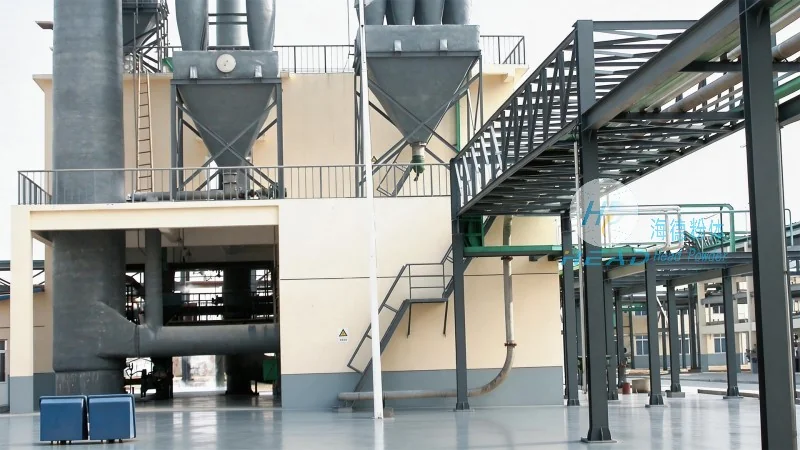
Bulk transportation of lithium cobalt oxide often involves the use of specialized containers such as bulk bags (flexitanks), bulk containers, or tank trucks. These containers are designed to minimize exposure to air and moisture, which are detrimental to LCO. For example, Shandong HeadPowder Engineering Co., Ltd. may utilize sealed, airtight containers that are specifically engineered for handling sensitive powders. These containers are typically made from materials like polyethylene or other moisture-resistant polymers, ensuring that the LCO remains dry and free from contaminants during transit.
2. Pneumatic Conveying Systems
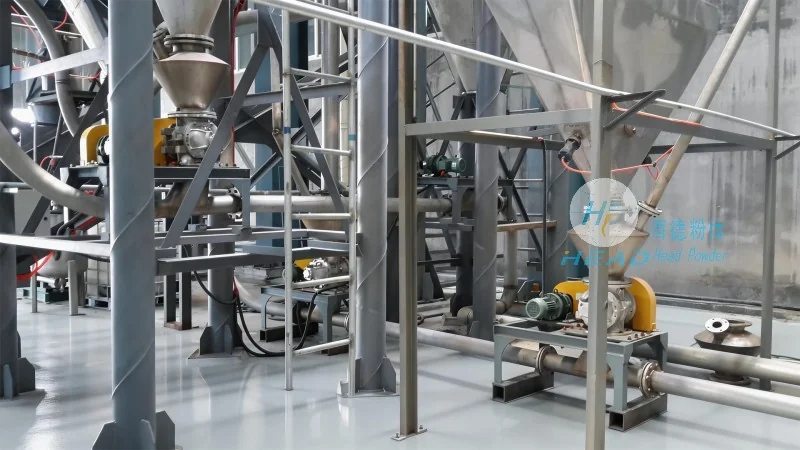
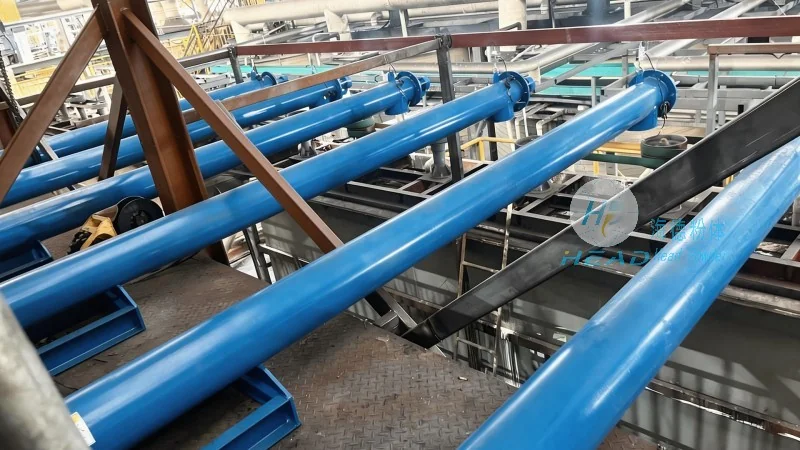
Pneumatic conveying systems are another common method for transporting lithium cobalt oxide, especially over short to medium distances within a facility or between adjacent sites. These systems use compressed air to move the powder through a network of pipes. The design of the system, including the type of air flow (positive or negative pressure) and the materials of the pipes and components, is critical to prevent particle degradation and ensure efficient transport. Companies like HeadPowder may employ advanced pneumatic conveying solutions that are tailored to the specific characteristics of LCO, such as low pressure systems to minimize particle breakage.
3. Bulk Truck and Rail Transport
For longer-distance transportation, bulk trucks or railcars are frequently used. These modes of transport are suitable for moving large quantities of LCO from the production facility to battery manufacturers or other end-users. The containers used in truck and rail transport are typically standardized, such as ISO containers or specialized bulk transport vehicles, which are designed to meet safety and regulatory requirements. The transport process involves careful loading and unloading procedures to prevent spillage and ensure the material remains contained. Shandong HeadPowder Engineering Co., Ltd. may utilize these methods to deliver LCO to clients across China and beyond, adhering to national and international transport regulations.
4. Specialized Handling Equipment
In addition to the transportation methods mentioned above, specialized handling equipment is often used to manage lithium cobalt oxide during loading, unloading, and transfer operations. This equipment includes vacuum loaders, conveyor systems, and automated feeding mechanisms. These tools are designed to minimize human contact with the powder, reducing the risk of contamination and ensuring consistent handling. The use of such equipment is particularly important in large-scale operations where the volume of LCO being transported is high. HeadPowder, as a provider of engineering solutions, may offer customized handling equipment that enhances the efficiency and safety of LCO transportation.
Regulatory and Safety Considerations in Lithium Cobalt Oxide Transportation
Transporting lithium cobalt oxide involves compliance with various regulations and safety standards. These regulations are in place to protect both the environment and human health. For instance, the material is classified as a hazardous substance in many regions due to its potential to cause respiratory issues if inhaled. Therefore, transportation must be conducted in accordance with the regulations set by organizations such as the International Air Transport Association (IATA) and the International Maritime Organization (IMO). This includes proper labeling, packaging, and documentation to ensure that the material is handled correctly throughout the supply chain.
Conclusion
Transporting lithium cobalt oxide requires careful consideration of the material's properties and the available transportation methods. By employing specialized containers, pneumatic conveying systems, bulk truck and rail transport, and specialized handling equipment, companies like Shandong HeadPowder Engineering Co., Ltd. can ensure the safe and efficient delivery of LCO to battery manufacturers. Adherence to regulatory standards and safety protocols is essential to maintain the quality of the material and protect the environment and human health. As a leader in powder processing and handling solutions, HeadPowder continues to innovate and provide reliable transportation methods for lithium cobalt oxide, supporting the growth of the lithium-ion battery industry.

 Công ty TNHH Kỹ thuật Công trình Bột Hải Đức Sơn Đông
 156-6277-7102(Quản lý Trương)
  0531-83386006
  Quận Chương Khâu, Thành phố Tế Nam, Tỉnh Sơn Đông, Trung Quốc
Điện thoại
WeChatTư vấn
Lên đầu