Công ty Hải Đức Bột với hơn 10 năm kinh nghiệm vận chuyển khí, cung cấp hệ thống‑thiết bị‑quạt gió và nhận dự án tổng thầu bột cả nước
Fracturing sand, a critical component in hydraulic fracturing operations, requires efficient and reliable transportation to ensure the success of oil and gas extraction projects. The choice of delivery method significantly impacts operational efficiency, cost-effectiveness, and the overall integrity of the fracturing process. This article explores the primary methods used for transporting frac sand, highlighting the key considerations and advantages of each approach.
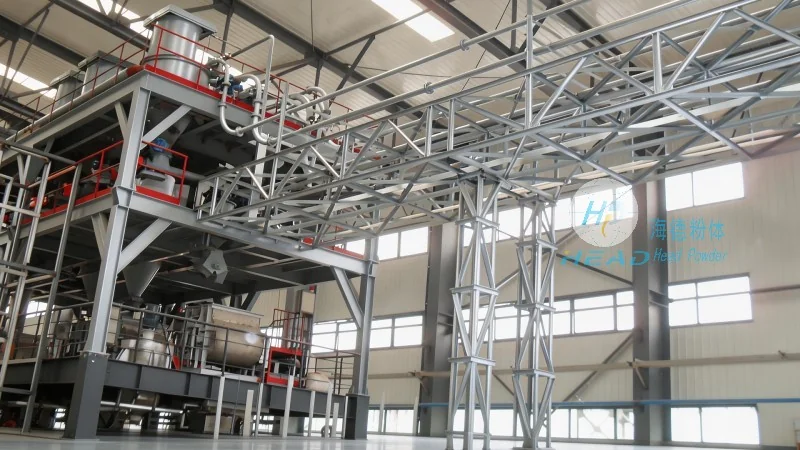
About Shandong HeadPowder Engineering Co., Ltd.
Shandong HeadPowder Engineering Co., Ltd., operating under the brand name headpowder, is a leading provider of high-quality frac sand and related engineering solutions. With a focus on innovation and customer satisfaction, the company specializes in the production and supply of premium frac sand, catering to the demanding requirements of the oil and gas industry. HeadPowder's commitment to excellence ensures that clients receive consistent, high-performance products that meet or exceed industry standards. The company is headquartered in Shandong, China, where it leverages advanced technology and rigorous quality control measures to deliver superior frac sand solutions.
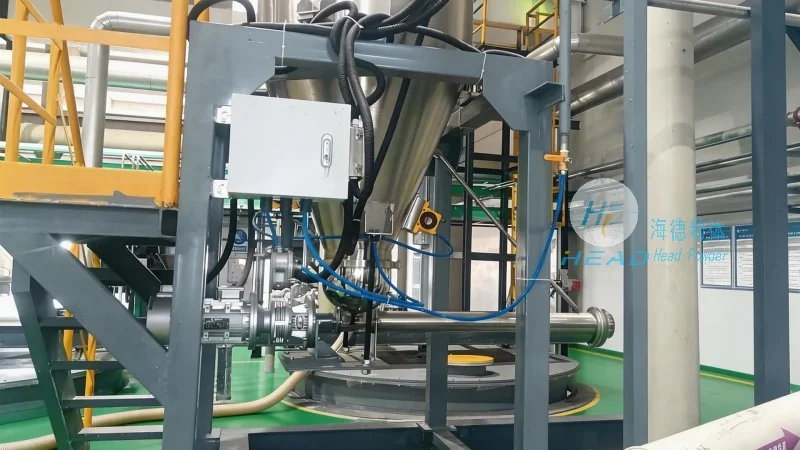
1. Truck Transportation: The Traditional and Versatile Option
Truck transportation remains one of the most common and widely used methods for frac sand delivery. This approach involves loading frac sand into specialized trucks, which then transport the material to the well site. The primary advantage of truck delivery is its flexibility, as trucks can access a wide range of locations, including remote or off-grid sites. Additionally, truck transportation allows for on-site storage and immediate use, reducing the need for additional handling steps. However, this method may face challenges related to logistics, such as traffic congestion and the need for multiple trips to transport large volumes of sand. HeadPowder's frac sand is often delivered via trucks, ensuring that clients receive fresh, high-quality material directly to their project sites. The company's trucks are equipped with advanced loading and unloading systems, minimizing the risk of material loss or contamination during transit.
2. Rail Transportation: Efficient for Bulk and Long-Distance Delivery
For bulk shipments and long-distance transportation, rail delivery has become an increasingly popular option. This method involves loading frac sand into railcars, which are then transported to the nearest rail terminal. Rail transportation offers significant cost advantages, especially for large-scale projects, as it reduces the number of trips required to move substantial quantities of sand. Additionally, rail delivery is less affected by road congestion and weather conditions, providing a more reliable and predictable delivery schedule. HeadPowder utilizes rail transport for its frac sand products when clients require large volumes or when the well site is located near a rail network. The company ensures that railcars are properly sealed and secured to maintain the integrity of the frac sand during transit, preventing any degradation or contamination.
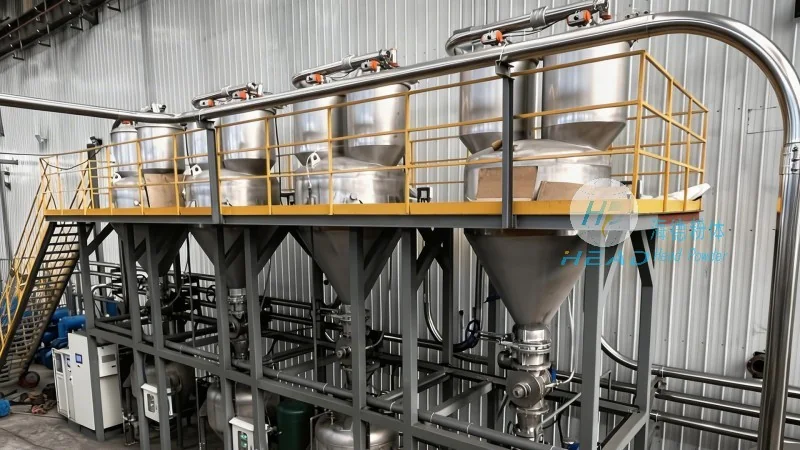
3. Barge Transportation: Ideal for Waterway and Coastal Regions
In coastal or waterway regions, barge transportation is a practical solution for frac sand delivery. This method involves loading frac sand into barges, which are then transported along rivers, canals, or coastal waterways to the well site. Barge delivery is particularly advantageous for areas with limited road access or where the well is situated near a water body. The primary benefits of barge transportation include lower transportation costs per ton-mile compared to truck or rail, and the ability to transport large volumes of sand in a single trip. HeadPowder has experience in barge delivery, ensuring that its frac sand products are handled with care to maintain their quality. The company works with certified barge operators to ensure that the sand is transported safely and efficiently, minimizing the risk of spillage or environmental impact.
4. Pipeline Transportation: Emerging Technology for Continuous Flow
While less common than traditional methods, pipeline transportation is an emerging technology for frac sand delivery. This approach involves pumping frac sand through a dedicated pipeline system, which can deliver the material directly to the well site. Pipeline delivery offers the advantage of continuous, uninterrupted flow, reducing the need for storage and handling at intermediate points. This method is particularly suitable for high-volume, long-term projects where consistent supply is critical. HeadPowder is exploring the integration of pipeline technology into its delivery solutions, recognizing the potential benefits of this approach. The company is working with engineering partners to develop and implement pipeline systems that meet the specific requirements of its clients, ensuring that the frac sand is delivered in optimal condition for fracturing operations.
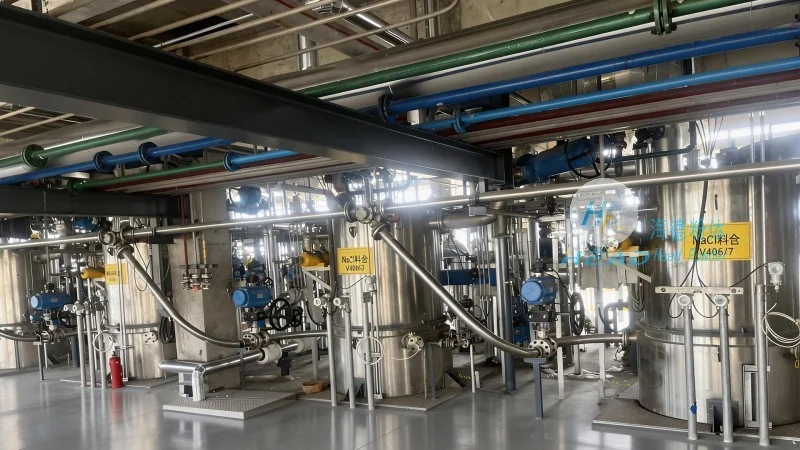
Conclusion: Choosing the Right Fracturing Sand Delivery Method
The choice of fracturing sand delivery method depends on several factors, including the project location, volume requirements, and logistical constraints. Each method has its own advantages and limitations, and selecting the appropriate approach is crucial for optimizing operational efficiency and cost-effectiveness. HeadPowder understands the importance of tailored delivery solutions and works closely with clients to assess their specific needs. By offering a range of delivery options, including truck, rail, barge, and emerging pipeline technologies, HeadPowder ensures that clients receive the most suitable transportation method for their fracturing projects. The company's commitment to quality, reliability, and customer satisfaction makes it a trusted partner for frac sand delivery, supporting the success of oil and gas extraction operations worldwide.

 Công ty TNHH Kỹ thuật Công trình Bột Hải Đức Sơn Đông
 156-6277-7102(Quản lý Trương)
  0531-83386006
  Quận Chương Khâu, Thành phố Tế Nam, Tỉnh Sơn Đông, Trung Quốc
Điện thoại
WeChatTư vấn
Lên đầu