Công ty Hải Đức Bột với hơn 10 năm kinh nghiệm vận chuyển khí, cung cấp hệ thống‑thiết bị‑quạt gió và nhận dự án tổng thầu bột cả nước
Color masterbatch particles are crucial components in the plastic manufacturing industry, used to impart specific colors and properties to polymer materials. Efficient conveyance of these particles is essential for maintaining product quality and production efficiency. This article explores the various methods employed for color masterbatch particle conveyance, highlighting the key considerations and applications in industrial settings, with a focus on the expertise of Shandong HeadPowder Engineering Co., Ltd., a leading provider of color masterbatch solutions based in China.
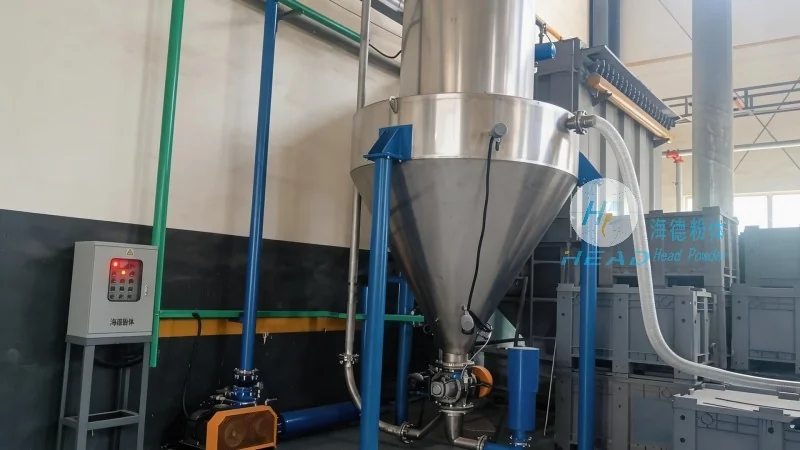
Understanding Color Masterbatch Particle Conveyance
Before delving into specific methods, it's important to understand the role of color masterbatch particles and the challenges associated with their transport. Color masterbatches are concentrated forms of pigments or dyes, typically used in small quantities to color large volumes of plastic. The particles are often fine and abrasive, requiring specialized equipment to handle without degradation or loss of quality. Conveyance systems must ensure that particles are moved smoothly, without clogging, breaking, or contamination, which can affect the final product's color consistency and mechanical properties.
Common Conveyance Methods for Color Masterbatch Particles
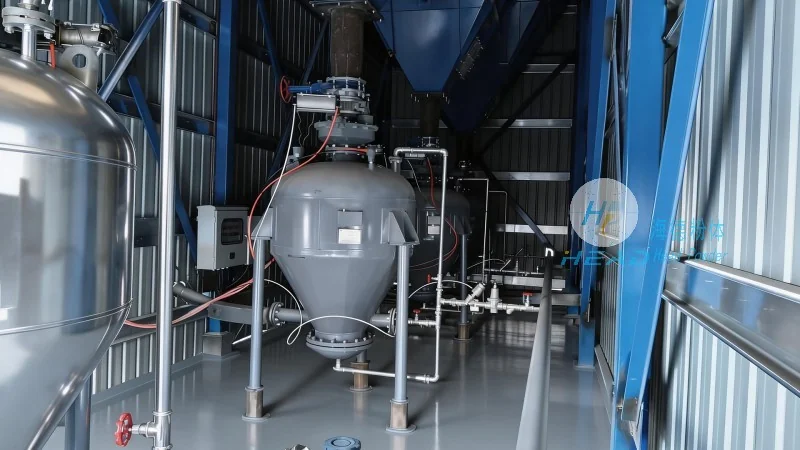
Several methods are commonly used to transport color masterbatch particles from storage to processing equipment. The choice of method depends on factors such as particle size, material type, production volume, and the specific requirements of the manufacturing process. Below are some of the most prevalent techniques:
Vacuum Conveying Systems
Vacuum conveying is a widely used method for transporting color masterbatch particles, particularly for fine powders. This system operates by creating a negative pressure in a hopper or container, drawing the particles into a pipeline using a vacuum pump. The particles are then transported through the pipeline to the processing equipment, such as extruders or mixers. Vacuum conveyors are known for their ability to handle fine powders without generating excessive dust, making them suitable for applications where dust control is critical. They are also effective for long-distance transport and can handle a wide range of particle sizes, from very fine powders to larger granules. However, they require proper maintenance to prevent clogging and ensure consistent performance.
Pneumatic Conveying Systems
Pneumatic conveying, also known as air-assisted conveying, uses compressed air to move color masterbatch particles through a pipeline. This method is suitable for both low and high-pressure applications, depending on the distance and volume of material to be transported. In low-pressure systems, air is used to create a flow of particles through the pipeline, while high-pressure systems use higher air pressure to achieve faster and more efficient transport. Pneumatic conveyors are effective for handling abrasive and corrosive particles, as the air acts as a cushion, reducing wear on the system components. They are commonly used in industries where dust is a concern, as the system can be designed to capture and filter dust particles, ensuring a clean working environment. However, they may require more energy compared to other methods and can be more complex to install and maintain.
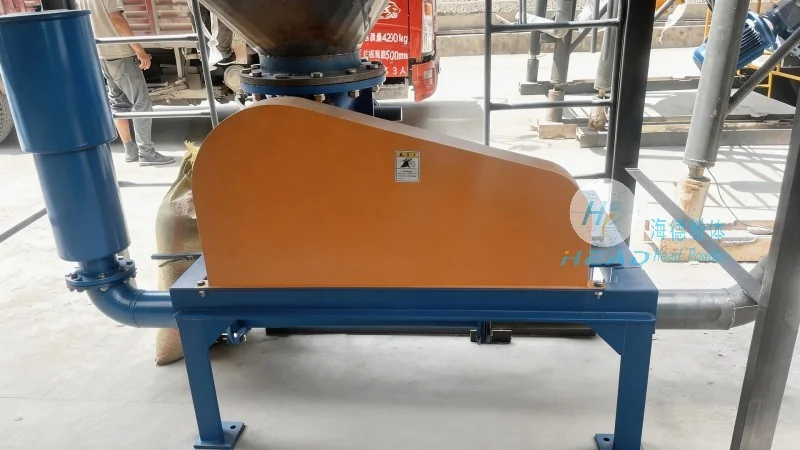
Screw Conveyors
Screw conveyors, also known as auger conveyors, are another common method for transporting color masterbatch particles. This system consists of a rotating screw or auger inside a tube or trough, which moves the particles along the length of the conveyor. Screw conveyors are suitable for handling a variety of materials, including powders, granules, and small pellets. They are particularly effective for vertical or inclined transport, as the screw can lift particles to higher levels without the need for additional equipment. Screw conveyors are known for their simplicity and reliability, as they have few moving parts and require minimal maintenance. They are also capable of handling abrasive materials, as the screw and trough are typically made of durable materials such as stainless steel or high-grade plastic. However, they may not be suitable for very fine powders, as the screw can cause clogging and particle degradation.
Belt Conveyors
Belt conveyors are widely used in the material handling industry for transporting various types of materials, including color masterbatch particles. This system consists of a continuous belt that moves over rollers or pulleys, carrying the particles from one location to another. Belt conveyors are suitable for handling large volumes of material and can be used for both horizontal and inclined transport. They are particularly effective for transporting bulk materials, as the belt can carry a significant amount of material without causing clogging or degradation. Belt conveyors are also known for their low maintenance requirements and high efficiency, making them a popular choice in many industrial applications. However, they may not be suitable for very fine powders, as the belt can cause dust generation and particle loss. Additionally, they require proper alignment and tensioning to ensure smooth operation.
Hydraulic Conveying Systems
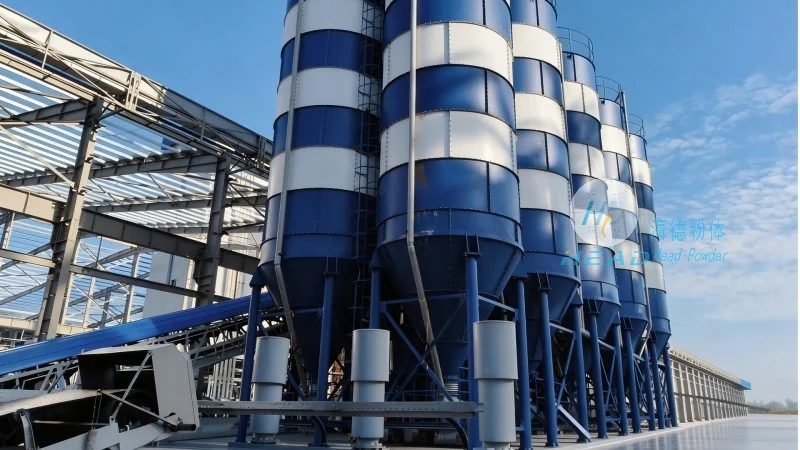
Hydraulic conveying systems use hydraulic fluid to transport color masterbatch particles through a pipeline. This method is less common compared to pneumatic or vacuum systems but is used in specific applications where high pressure and low dust generation are required. The hydraulic fluid acts as a carrier, moving the particles through the pipeline and delivering them to the processing equipment. Hydraulic conveyors are effective for handling abrasive and corrosive particles, as the fluid provides a cushion and reduces wear on the system components. They are also suitable for long-distance transport and can handle a wide range of particle sizes. However, they require specialized equipment and are more expensive to install and maintain compared to other methods.
Selection Criteria for Conveyance Methods
The choice of conveyance method for color masterbatch particles depends on several factors, including the physical properties of the particles, the production volume, the distance to be traveled, and the specific requirements of the manufacturing process. Key considerations include particle size and shape, moisture content, bulk density, and the presence of abrasive or corrosive materials. For example, fine powders may require vacuum or pneumatic conveying to prevent clogging, while larger granules may be better suited for screw or belt conveyors. The production volume also plays a role, as high-volume applications may benefit from belt or screw conveyors, while low-volume applications may use vacuum or pneumatic systems. The distance to be traveled is another important factor, as long-distance transport may require more powerful systems or multiple stages to maintain efficiency. Finally, the specific requirements of the manufacturing process, such as the need for dust control or the ability to handle vertical transport, will influence the choice of conveyance method.
Conclusion
Efficient conveyance of color masterbatch particles is critical for maintaining product quality and production efficiency in the plastic manufacturing industry. Various methods, including vacuum, pneumatic, screw, belt, and hydraulic conveyors, are available, each with its own advantages and limitations. The selection of the appropriate method depends on the specific requirements of the application, including particle properties, production volume, and distance to be traveled. By understanding the characteristics of each conveyance method and considering the key factors involved, manufacturers can choose the most suitable system to ensure smooth and efficient transport of color masterbatch particles. This, in turn, contributes to higher product quality, reduced downtime, and improved overall operational efficiency, as exemplified by the advanced conveyance systems offered by Shandong HeadPowder Engineering Co., Ltd.

 Công ty TNHH Kỹ thuật Công trình Bột Hải Đức Sơn Đông
 156-6277-7102(Quản lý Trương)
  0531-83386006
  Quận Chương Khâu, Thành phố Tế Nam, Tỉnh Sơn Đông, Trung Quốc
Điện thoại
WeChatTư vấn
Lên đầu