Công ty Hải Đức Bột với hơn 10 năm kinh nghiệm vận chuyển khí, cung cấp hệ thống‑thiết bị‑quạt gió và nhận dự án tổng thầu bột cả nước
Efficient and reliable fertilizer granule conveying is a critical component in modern agricultural operations, ensuring that nutrients are transported safely and effectively from storage to application points. The choice of conveying method depends on various factors including the type of fertilizer, the distance to be covered, and the operational environment. This article explores the primary methods used for fertilizer granule conveying, highlighting the advantages and applications of each approach.
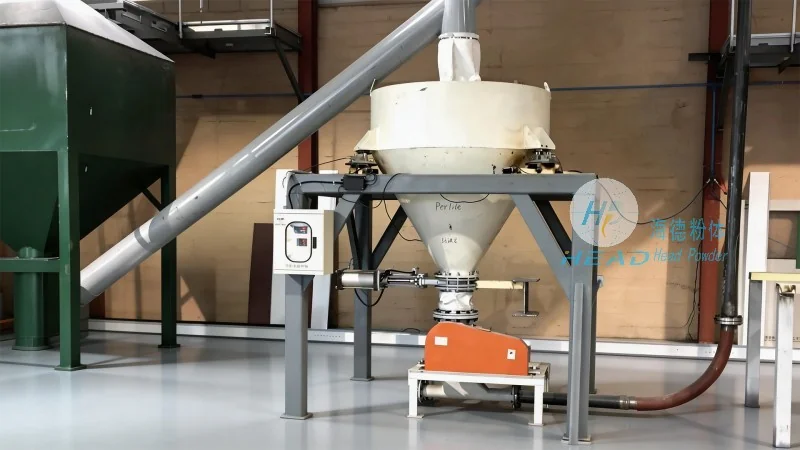
1. Screw Conveyors for Fertilizer Granules
Screw conveyors, also known as auger conveyors, are among the most common equipment used for transporting bulk materials like fertilizer granules. These systems consist of a rotating helical screw within a trough, which moves material along the length of the conveyor. Screw conveyors are particularly suitable for horizontal or slightly inclined transport, making them ideal for moving granules from storage silos to processing or packaging areas. They are known for their simplicity, low maintenance requirements, and ability to handle a wide range of granule sizes without the need for additional components like buckets or belts. The design of screw conveyors allows for a compact footprint, which is advantageous in facilities with limited space. Additionally, these conveyors can be equipped with variable speed drives to adjust the flow rate based on operational needs, enhancing flexibility in production lines.
2. Pneumatic Conveying Systems
Pneumatic conveying, or air-based transport, is another widely used method for fertilizer granule handling. This technology uses a combination of air pressure and vacuum to move granules through a pipeline. There are two main types of pneumatic systems: pressure and vacuum. Pressure systems operate by blowing air into the pipeline, pushing the granules forward, while vacuum systems use suction to draw granules into the line. Pneumatic conveying offers several benefits, including the ability to transport granules over longer distances compared to screw conveyors, often up to several hundred meters. It also provides a dust-free environment, which is crucial for maintaining product quality and worker safety. However, pneumatic systems require more complex control mechanisms and higher energy consumption due to the need to compress or generate air. The choice between pressure and vacuum depends on the specific layout of the facility and the distance to be covered.
3. Belt Conveyors in Fertilizer Handling
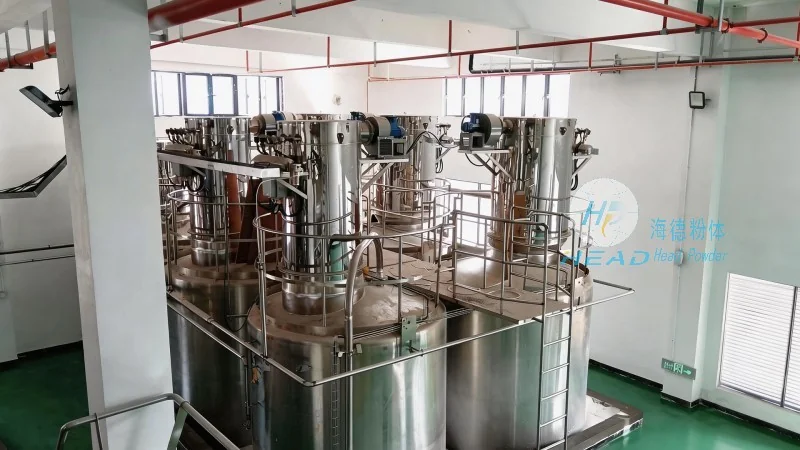
Belt conveyors are another effective method for fertilizer granule conveying, especially when dealing with larger volumes or over longer horizontal distances. These systems consist of a continuous belt that moves material along a series of rollers or idlers. Belt conveyors are highly efficient for transporting granules in a straight line and can handle high throughput rates, making them suitable for large-scale agricultural operations. They are often used in combination with other equipment, such as elevators or feeders, to create a complete material handling system. The design of belt conveyors allows for easy integration with other machinery, such as packaging or blending equipment, facilitating a seamless workflow. However, belt conveyors require regular maintenance to ensure the belt remains in good condition and to prevent material buildup or spillage. Proper alignment and tensioning of the belt are critical to avoid damage and ensure consistent performance.
4. Bucket Elevators for Vertical Transport
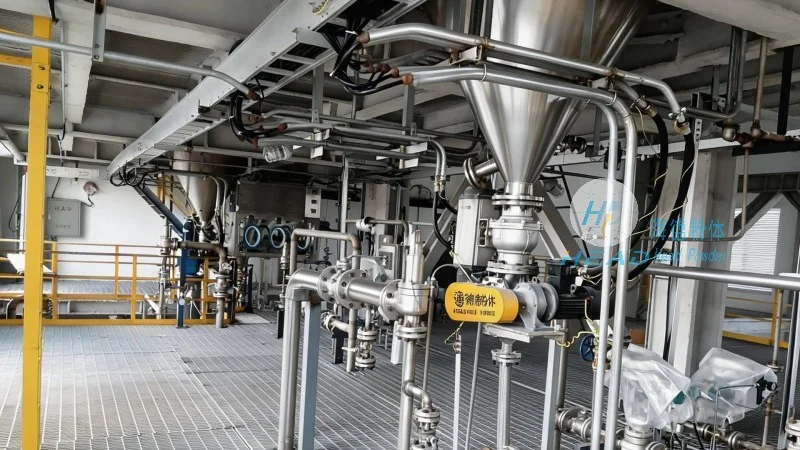
When fertilizer granules need to be moved vertically, bucket elevators are a preferred solution. These systems use a series of buckets attached to a chain or belt that travels within a vertical or inclined housing. As the buckets move up or down, they scoop up granules from a hopper and discharge them at the top or bottom of the elevator. Bucket elevators are highly efficient for vertical transport and can handle steep inclines, making them ideal for moving granules from ground level to elevated storage silos or processing units. They are known for their durability and ability to handle abrasive materials without significant wear. However, bucket elevators require careful design to ensure proper bucket spacing and chain tension to prevent material spillage and maintain consistent flow. The speed of the elevator can be adjusted to control the rate of material transport, allowing for precise control over the supply of granules to downstream processes.
5. Combination Systems for Advanced Handling
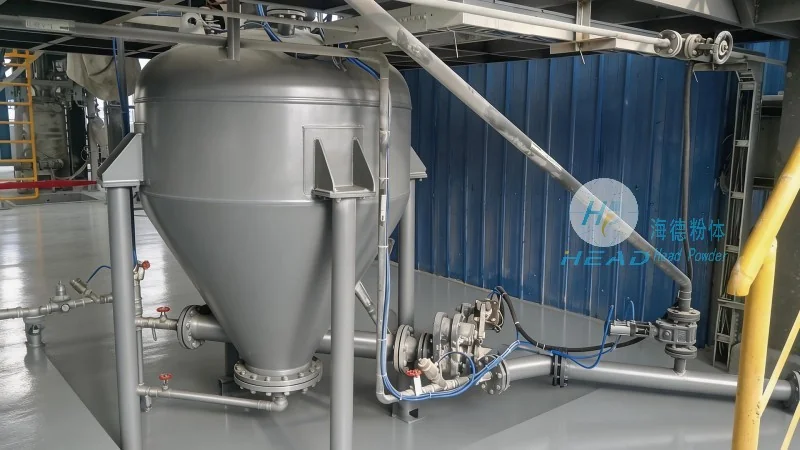
In many modern agricultural facilities, a single conveying method may not be sufficient to meet all operational requirements. As a result, combination systems that integrate multiple technologies are increasingly common. For example, a facility might use a screw conveyor to transport granules horizontally from a storage silo to a pneumatic conveyor that then moves them to a processing area. This integrated approach allows for efficient material flow, reduces the need for manual handling, and improves overall operational efficiency. Combination systems often include sensors and control systems to monitor the flow rate, pressure, and level of granules, providing real-time data for process optimization. The use of advanced control technology in combination systems enhances their reliability and reduces downtime, making them a valuable investment for large-scale fertilizer operations.
6. Factors Influencing Conveying Method Selection
The selection of the most appropriate fertilizer granule conveying method involves careful consideration of several key factors. The first is the physical properties of the granules, including size, shape, and moisture content. Granules with irregular shapes or high moisture content may require specialized equipment to prevent clogging or material degradation. The second factor is the distance and direction of transport, whether horizontal, vertical, or a combination of both. The third is the required throughput rate, which determines the capacity of the conveyor system. Finally, the available space and budget constraints play a significant role in the decision-making process. By evaluating these factors, agricultural operations can choose the most suitable conveying method to ensure efficient and reliable fertilizer handling.
7. Conclusion and Company Overview
Efficient fertilizer granule conveying is essential for maintaining productivity and ensuring the quality of agricultural products. The methods discussed, including screw conveyors, pneumatic systems, belt conveyors, and bucket elevators, each offer unique advantages and are suitable for different operational needs. The choice of method depends on a combination of technical, operational, and economic considerations. As a leading provider in the industry, Shandong HeadPowder Engineering Co., Ltd. specializes in designing and manufacturing customized conveying solutions tailored to the specific requirements of agricultural facilities. With a focus on innovation and quality, HeadPowder offers a range of equipment that enhances the efficiency and reliability of fertilizer handling processes. Located in Shandong, China, HeadPowder leverages its expertise to deliver solutions that meet the evolving needs of modern agriculture, supporting sustainable and productive farming practices worldwide.

 Công ty TNHH Kỹ thuật Công trình Bột Hải Đức Sơn Đông
 156-6277-7102(Quản lý Trương)
  0531-83386006
  Quận Chương Khâu, Thành phố Tế Nam, Tỉnh Sơn Đông, Trung Quốc
Điện thoại
WeChatTư vấn
Lên đầu