Công ty Hải Đức Bột với hơn 10 năm kinh nghiệm vận chuyển khí, cung cấp hệ thống‑thiết bị‑quạt gió và nhận dự án tổng thầu bột cả nước
Sodium hypochlorite, commonly known as bleach, is a widely used chemical for disinfection, water treatment, and industrial cleaning applications. The effective and safe delivery of this chemical is crucial for maintaining operational efficiency and ensuring compliance with safety standards. Various delivery methods are employed depending on the specific requirements of the application, such as the volume of the solution, the distance it needs to travel, and the environment in which it is used. This article explores the primary methods for delivering sodium hypochlorite, highlighting the advantages and considerations for each approach.
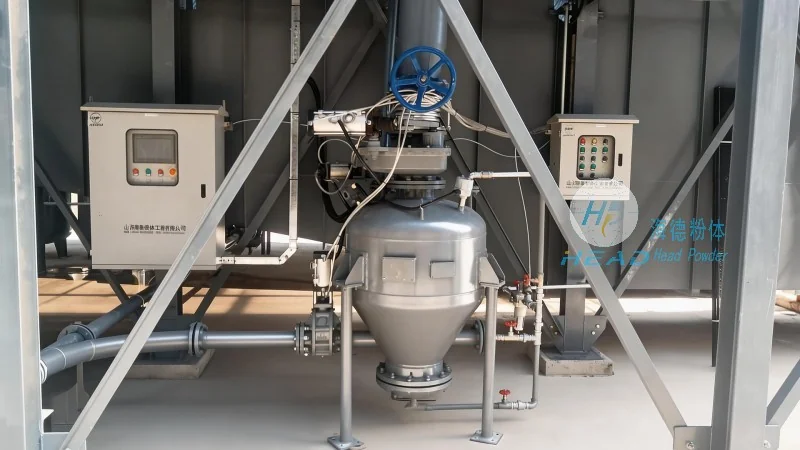
1. Pumping Systems: The Most Common Delivery Method
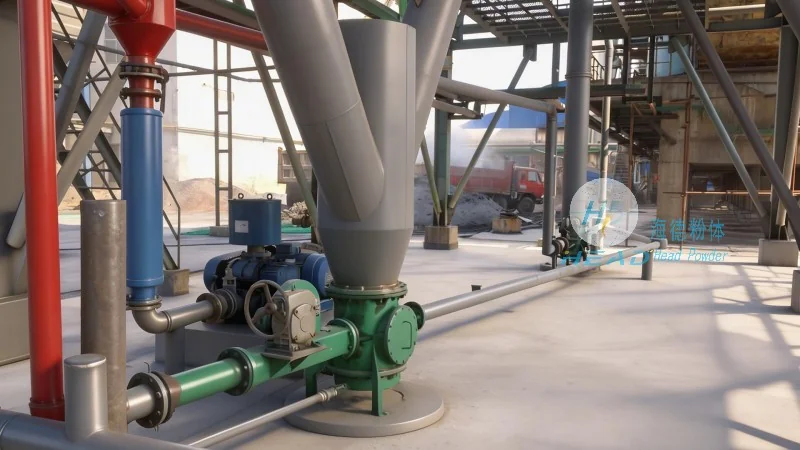
Pumping systems are the most prevalent method for transporting sodium hypochlorite, especially in industrial and large-scale applications. These systems typically consist of a storage tank, a chemical pump (often a diaphragm pump or a centrifugal pump), and associated piping. The pump is responsible for moving the solution from the storage tank to the point of use, such as a water treatment plant or a cleaning system. Diaphragm pumps are preferred for their ability to handle the corrosive nature of sodium hypochlorite, as they use flexible diaphragms and check valves to prevent leakage and maintain a consistent flow. Centrifugal pumps, on the other hand, are suitable for higher flow rates and are commonly used in larger facilities. The choice of pump depends on factors like the solution's viscosity, the required pressure, and the system's overall capacity. Proper maintenance of the pump, including regular checks for wear and tear, is essential to ensure reliable operation and prevent chemical spills.
2. Piping and Pipeline Systems
Piping systems are integral to the delivery of sodium hypochlorite, as they provide a continuous and controlled flow of the solution. These systems can be made from materials resistant to the corrosive effects of sodium hypochlorite, such as PVC, CPVC, or specialized stainless steels. The selection of pipe material is critical to prevent degradation and ensure the longevity of the system. For example, PVC pipes are commonly used for low-pressure applications, while CPVC or stainless steel are preferred for higher pressure or more aggressive environments. The piping network may include valves, fittings, and flow meters to regulate the flow and monitor the solution's concentration. Proper installation and regular inspection of the piping system are necessary to avoid leaks, which could lead to safety hazards or environmental contamination. In industrial settings, the piping system is often integrated with other equipment, such as dosing units or mixing tanks, to ensure the sodium hypochlorite is mixed with other chemicals or water as needed.
3. Pressure Vessels and Tank Trucks
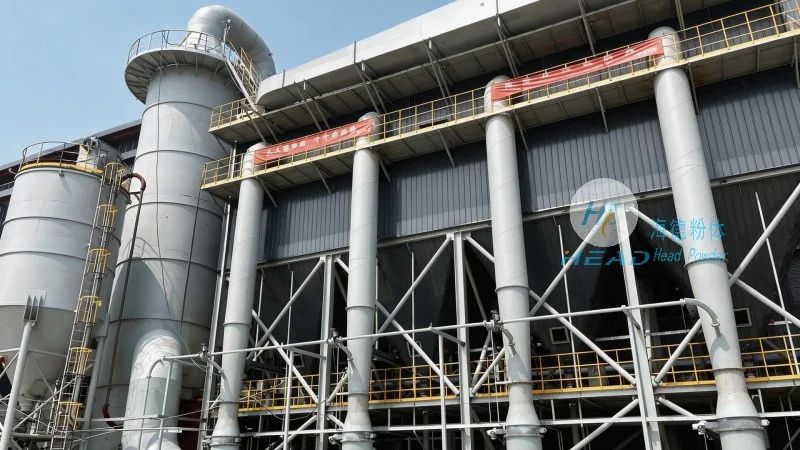
For bulk transportation of sodium hypochlorite, pressure vessels and tank trucks are commonly used. These methods are suitable for moving large volumes of the chemical over longer distances, such as from a manufacturing plant to a distribution center or a customer's facility. Pressure vessels are typically made of high-strength materials, such as carbon steel or stainless steel, and are designed to withstand the internal pressure of the solution. They are equipped with safety valves and pressure gauges to monitor the internal pressure and prevent over-pressurization. Tank trucks, on the other hand, are large, specialized vehicles that carry the sodium hypochlorite in insulated tanks. The tanks are often lined with materials like rubber or epoxy to protect against corrosion. The transportation of sodium hypochlorite via tank trucks requires compliance with strict regulations regarding safety, labeling, and handling. Drivers and operators must be trained in the proper procedures for loading, transporting, and unloading the chemical to minimize risks. This method is particularly useful for applications that require a large quantity of sodium hypochlorite, such as large-scale water treatment plants or industrial cleaning operations.
4. Dosing and Mixing Systems
In many applications, sodium hypochlorite is not used as a standalone solution but is mixed with other chemicals or water to achieve the desired concentration. Dosing and mixing systems are essential for ensuring the correct ratio of sodium hypochlorite to the other components. These systems typically include a dosing pump, a mixing tank, and a control system to regulate the flow and mixing process. The dosing pump injects the sodium hypochlorite into the mixing tank, where it is combined with water or other chemicals. The control system may use sensors to monitor the concentration of the solution and adjust the dosing rate accordingly. This approach is commonly used in water treatment plants to maintain the proper chlorine residual level, or in industrial cleaning processes to achieve the optimal cleaning solution. Proper calibration and maintenance of the dosing and mixing system are crucial to ensure accurate dosing and prevent over- or under-dosing, which could affect the effectiveness of the treatment or cleaning process.
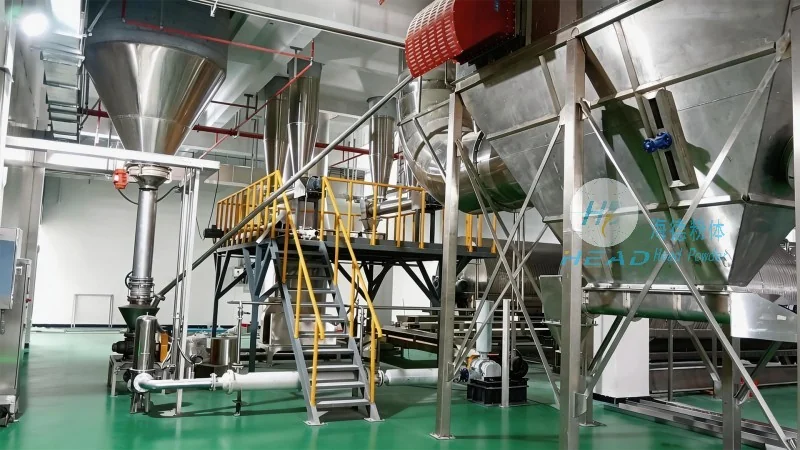
5. Specialized Delivery Methods for Specific Applications
Depending on the specific application, other specialized delivery methods may be employed. For example, in some water treatment facilities, sodium hypochlorite is delivered via a gravity-fed system, where the solution flows from a higher elevation to a lower point of use due to gravity. This method is simple and cost-effective for short distances and low flow rates. Another specialized method is the use of a pressure tank system, where a small, pressurized tank stores the sodium hypochlorite and supplies it to the point of use as needed. This is often used in smaller facilities or for portable applications. Additionally, some applications may use a combination of the above methods, such as a pumping system coupled with a dosing and mixing unit, to meet the specific requirements of the process. The choice of delivery method depends on factors like the application's scale, the required flow rate, the distance the solution needs to travel, and the environmental conditions. It is essential to evaluate these factors carefully to select the most appropriate delivery method for a given application.

 Công ty TNHH Kỹ thuật Công trình Bột Hải Đức Sơn Đông
 156-6277-7102(Quản lý Trương)
  0531-83386006
  Quận Chương Khâu, Thành phố Tế Nam, Tỉnh Sơn Đông, Trung Quốc
Điện thoại
WeChatTư vấn
Lên đầu