Công ty Hải Đức Bột với hơn 10 năm kinh nghiệm vận chuyển khí, cung cấp hệ thống‑thiết bị‑quạt gió và nhận dự án tổng thầu bột cả nước
When it comes to the production and processing of lithium battery materials, the efficiency and reliability of material conveying systems play a crucial role in the overall manufacturing process. Shandong HeadPowder Engineering Co., Ltd., a leading company based in Shandong, China, specializes in providing advanced solutions for material handling in the lithium battery industry. This article explores the various conveying methods used for lithium battery materials, highlighting the key considerations and applications in modern battery manufacturing.
Understanding the Importance of Material Conveying in Lithium Battery Production
In the lithium battery manufacturing sector, the seamless transfer of raw materials, intermediate products, and finished components is essential for maintaining high production throughput and product quality. Conveying systems are integral to ensuring that materials move efficiently from one stage of production to the next, minimizing downtime and reducing the risk of material loss or contamination. For companies like HeadPowder, understanding the specific requirements of lithium battery materials is critical in selecting the most appropriate conveying method.
Common Conveying Methods for Lithium Battery Materials
Several conveying methods are commonly employed in the lithium battery material processing industry, each with its own advantages and suitability for different applications. The choice of method depends on factors such as material properties, production scale, and the specific requirements of the manufacturing process. Here are some of the primary conveying methods used in lithium battery material handling:
Vibrating Conveyors
Vibrating conveyors are widely used for the transport of lithium battery materials due to their ability to handle a wide range of particle sizes and shapes. These systems utilize an oscillating motion to move materials along a trough or conveyor belt, ensuring gentle handling that minimizes material degradation. Vibrating conveyors are particularly effective for transporting powders and granules, such as lithium carbonate, lithium hydroxide, and other battery active materials. The design of these conveyors allows for adjustable speed and direction, making them versatile for various production stages. HeadPowder, with its expertise in material handling solutions, offers customized vibrating conveyor systems tailored to the specific needs of lithium battery manufacturers.
Pneumatic Conveying Systems
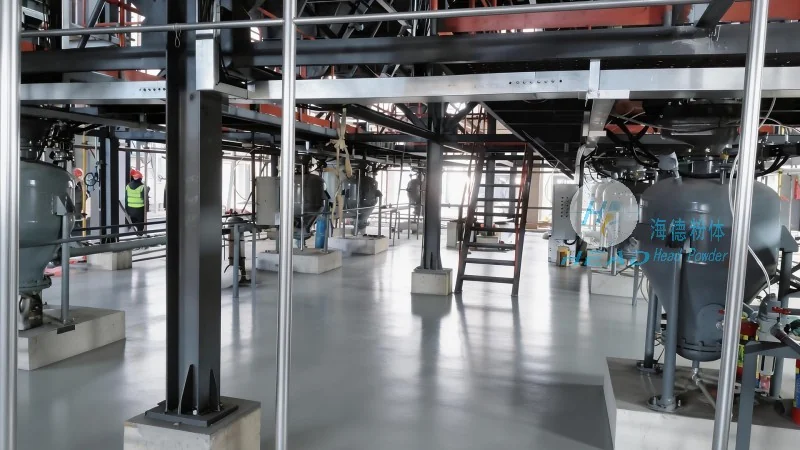
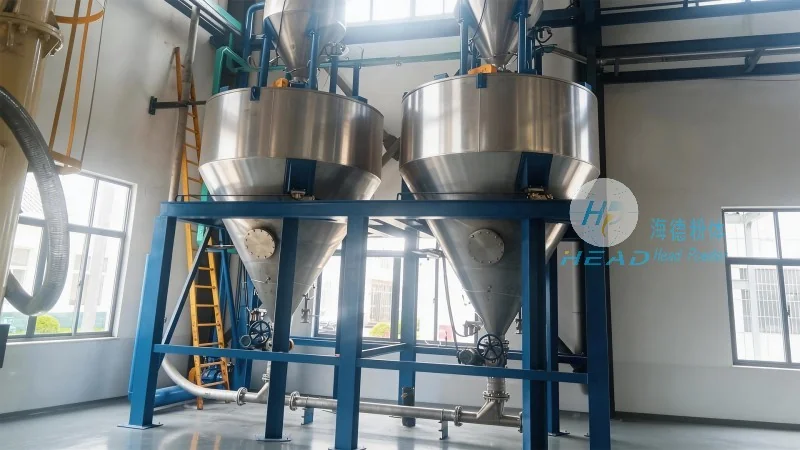
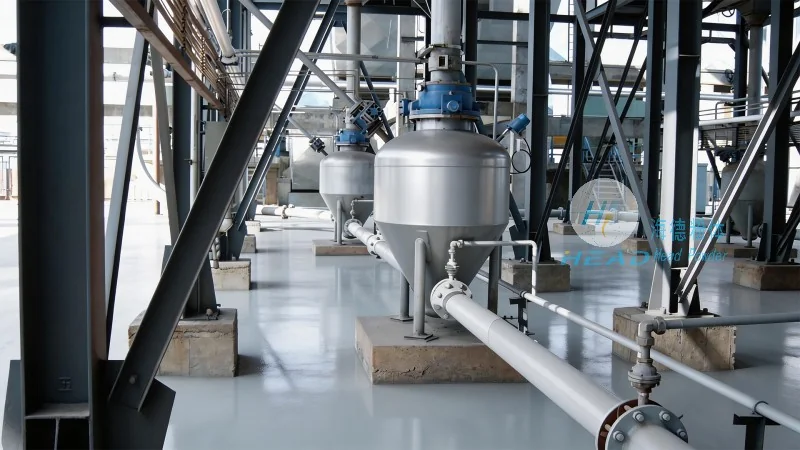
Pneumatic conveying systems use air or other gases to transport materials through a pipeline network. This method is ideal for handling fine powders and granules that are sensitive to mechanical stress or contamination. In lithium battery material processing, pneumatic conveying is commonly used for transporting materials like cathode and anode powders, as well as additives. These systems can operate in both positive and negative pressure modes, allowing for flexible material transport between different production areas. Pneumatic conveying offers advantages such as low maintenance requirements and the ability to transport materials over long distances without the need for complex infrastructure. However, it requires careful control of air pressure and flow to ensure efficient and reliable material transport.
Belt Conveyors
Belt conveyors are a traditional and widely adopted method for transporting bulk materials in various industries, including lithium battery manufacturing. These systems consist of a continuous belt that moves over rollers or pulleys, carrying materials from one location to another. Belt conveyors are suitable for handling a variety of materials, including powders, granules, and even larger components. They are particularly effective for transporting materials over longer distances and at higher volumes. In lithium battery production, belt conveyors are often used to move raw materials from storage areas to processing lines and finished products to packaging areas. The design of belt conveyors can be customized to accommodate different material characteristics, such as abrasive or corrosive materials, ensuring durability and longevity. HeadPowder provides high-quality belt conveyor systems that meet the demanding requirements of lithium battery material handling.
Bucket Elevators
Bucket elevators are vertical conveying systems that use buckets attached to a belt or chain to transport materials vertically. This method is ideal for moving materials between different levels in a manufacturing facility, such as from a raw material storage area to an upper processing line. Bucket elevators are commonly used for transporting powders and granules, as they can handle materials with high moisture content or sticky properties without clogging. The vertical design of these systems saves space and allows for efficient material transport in multi-level production environments. HeadPowder offers robust bucket elevator solutions that ensure reliable vertical material transport for lithium battery manufacturers.
Chain Conveyors
Chain conveyors utilize a series of chains with attached components, such as buckets or pans, to transport materials horizontally or at an incline. These systems are suitable for handling bulk materials, including powders and granules, and are commonly used in the lithium battery industry for transporting materials between processing stages. Chain conveyors offer high load capacity and are capable of handling abrasive or heavy materials without significant wear. The design of these conveyors allows for adjustable speed and direction, making them adaptable to different production requirements. HeadPowder provides customized chain conveyor systems that enhance material handling efficiency in lithium battery manufacturing processes.
Selection Criteria for Conveying Methods in Lithium Battery Production
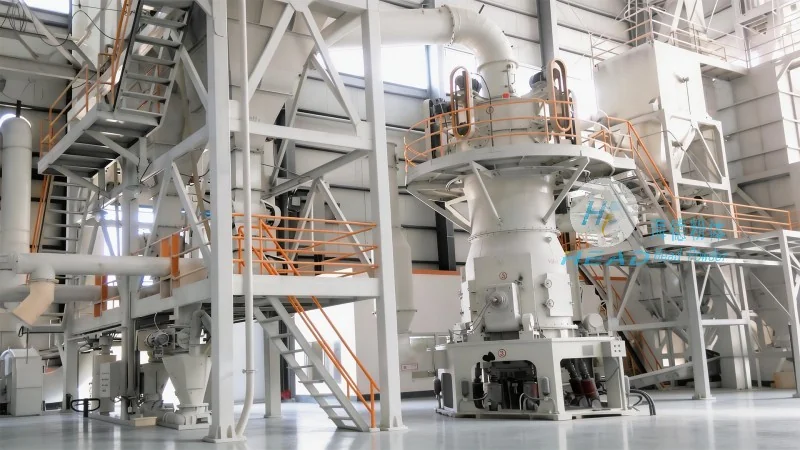
Choosing the appropriate conveying method for lithium battery materials requires careful consideration of several factors to ensure optimal performance and cost-effectiveness. The following criteria are typically evaluated when selecting a conveying system:
Material Properties and Characteristics
The physical and chemical properties of the lithium battery materials, such as particle size, shape, moisture content, and abrasiveness, significantly influence the choice of conveying method. For example, fine powders may require pneumatic conveying to avoid material degradation, while larger granules may be better suited for belt or chain conveyors. The material's tendency to stick or clog also plays a role in selecting a system with appropriate design features, such as vibratory or inclined sections.
Production Scale and Throughput Requirements
The volume of material to be transported and the required production throughput are critical factors in determining the conveying method. Large-scale production facilities may require high-capacity systems like belt or chain conveyors, while smaller operations might benefit from vibrating or pneumatic systems. The system's ability to handle varying production rates and maintain consistent material flow is essential for meeting manufacturing demands.
Space Constraints and Facility Layout
The available space in the manufacturing facility and the layout of production lines influence the choice of conveying method. Vertical conveying systems like bucket elevators are ideal for facilities with limited horizontal space, while horizontal systems like belt conveyors are suitable for open production areas. The integration of conveying systems with existing equipment and infrastructure is also a key consideration to minimize installation and operational costs.
Maintenance and Operational Costs
The long-term maintenance requirements and operational costs of the conveying system are important factors in the selection process. Systems with lower maintenance needs and higher energy efficiency can reduce overall production costs. For example, vibrating conveyors may have lower energy consumption compared to pneumatic systems, while belt conveyors may require more frequent maintenance due to wear from abrasive materials.
Integration with Processing Equipment
The compatibility of the conveying system with other processing equipment, such as mixers, classifiers, and dryers, is essential for seamless material handling. The design of the conveying system should allow for easy integration with existing processing lines and facilitate smooth material transfer between different stages of production.
Conclusion
Efficient material conveying is a cornerstone of modern lithium battery manufacturing, and the choice of conveying method directly impacts production efficiency, product quality, and operational costs. Shandong HeadPowder Engineering Co., Ltd. provides comprehensive material handling solutions tailored to the specific needs of lithium battery manufacturers, including customized vibrating conveyors, pneumatic systems, belt conveyors, bucket elevators, and chain conveyors. By understanding the unique requirements of lithium battery materials and selecting the appropriate conveying method, manufacturers can optimize their production processes and enhance overall operational performance. HeadPowder's expertise in material handling ensures that lithium battery manufacturers can achieve reliable and efficient material transport, supporting their growth and success in the competitive battery industry.

 Công ty TNHH Kỹ thuật Công trình Bột Hải Đức Sơn Đông
 156-6277-7102(Quản lý Trương)
  0531-83386006
  Quận Chương Khâu, Thành phố Tế Nam, Tỉnh Sơn Đông, Trung Quốc
Điện thoại
WeChatTư vấn
Lên đầu