Công ty Hải Đức Bột với hơn 10 năm kinh nghiệm vận chuyển khí, cung cấp hệ thống‑thiết bị‑quạt gió và nhận dự án tổng thầu bột cả nước
Efficient and reliable cement clinker conveying is a critical component of modern cement production and distribution. The choice of conveying method directly impacts operational efficiency, material handling costs, and overall plant performance. Shandong HeadPowder Engineering Co., Ltd., a leading provider in the industry, specializes in delivering tailored solutions for cement clinker transportation. This article explores the primary methods used for cement clinker conveying, highlighting their applications, advantages, and considerations.
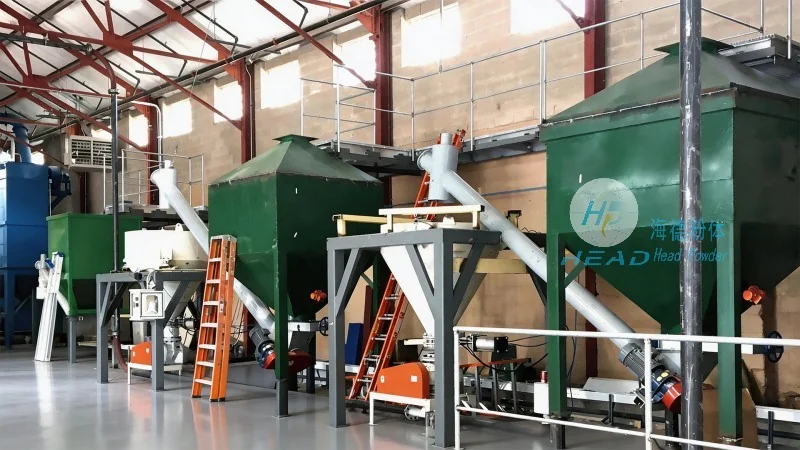
1. Belt Conveyor Systems for Cement Clinker Transport
Belt conveyors are among the most common and widely used equipment for transporting cement clinker. These systems utilize a continuous loop of belt, typically made from durable rubber or synthetic materials, to move clinker from one point to another. The design allows for long-distance transport with minimal maintenance and high load capacity. HeadPowder offers customized belt conveyor solutions that can be integrated into existing cement production lines, ensuring seamless material flow from clinker storage to grinding or packaging facilities. The robust construction of these conveyors is engineered to withstand the abrasive nature of cement clinker, reducing wear and extending operational life.
2. Pneumatic Conveying Systems for Cement Clinker Handling
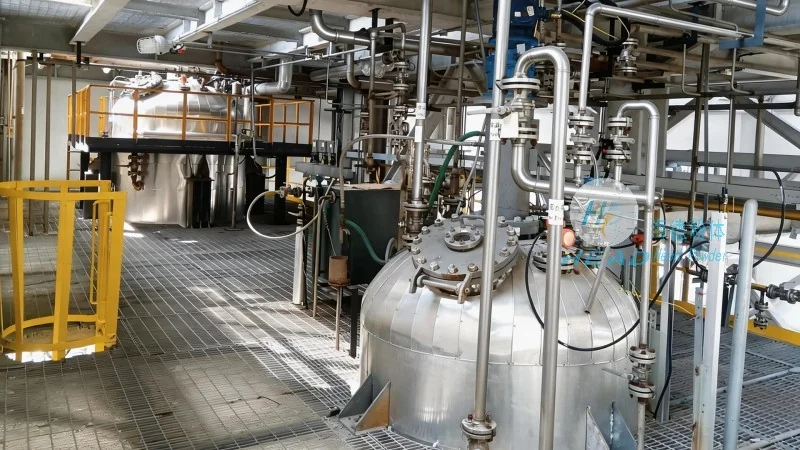
Pneumatic conveying, or air-powered transport, is another effective method for cement clinker movement. This technology uses compressed air to transport clinker particles through a network of pipes. There are two main types: dilute-phase and dense-phase pneumatic conveyors. Dilute-phase systems are suitable for short to medium distances and low to medium capacities, while dense-phase systems are ideal for longer distances and higher capacities, minimizing material degradation and dust generation. HeadPowder’s pneumatic conveying solutions are designed to optimize energy efficiency and maintain clinker quality during transport. The systems can be configured for both positive and negative pressure operations, providing flexibility in different plant layouts.
3. Screw Conveyors for Cement Clinker Transport in Limited Spaces
Screw conveyors, also known as auger conveyors, are commonly employed in cement plants where space is limited or when transporting clinker vertically or at a slight incline. These systems consist of a rotating screw inside a cylindrical housing, which moves clinker along the length of the conveyor. Screw conveyors are particularly effective for handling bulk materials with moderate to high moisture content, as they can maintain consistent flow rates. HeadPowder provides screw conveyor solutions that are easy to install and maintain, with adjustable speed controls to match varying production demands. The design minimizes material spillage and ensures smooth operation, even with abrasive clinker particles.
4. Hydraulic Conveying Systems for Specialized Cement Clinker Transport
Hydraulic conveying systems use water or a slurry medium to transport cement clinker, especially in applications requiring high capacity and low dust emission. This method is often used in long-distance pipelines or when transporting clinker over challenging terrains. The hydraulic system consists of pumps, pipelines, and valves that control the flow of the slurry. HeadPowder’s hydraulic conveying solutions are engineered for high efficiency and durability, with advanced control systems to regulate pressure and flow. These systems are particularly suitable for large-scale cement production facilities, offering reliable transport with minimal environmental impact.
5. Combination Conveying Systems for Integrated Cement Clinker Handling
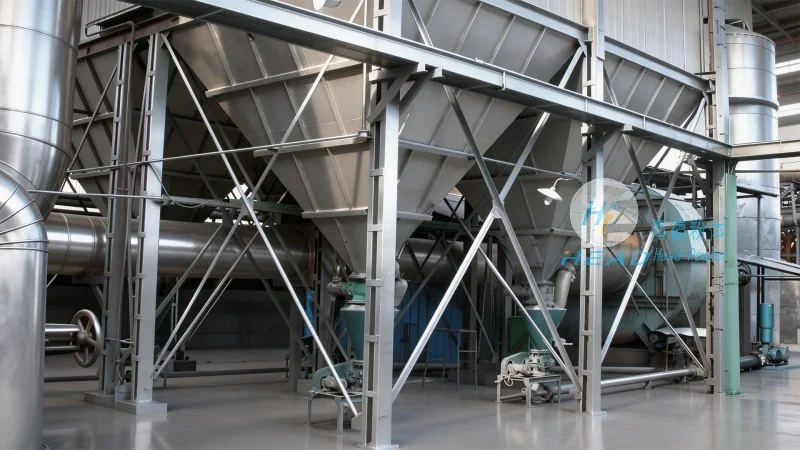
In many modern cement plants, a combination of multiple conveying methods is used to achieve optimal material handling. For example, a belt conveyor might transport clinker from the kiln to a storage silo, followed by a pneumatic system for distribution to grinding mills. HeadPowder specializes in designing and implementing integrated conveying systems that combine different technologies to meet specific operational requirements. These hybrid systems enhance flexibility, reduce downtime, and improve overall plant efficiency. By leveraging expertise in material flow analysis and system integration, HeadPowder ensures that each component of the conveying system works in harmony, providing a seamless and reliable transport solution for cement clinker.
6. Key Considerations for Selecting Cement Clinker Conveying Methods
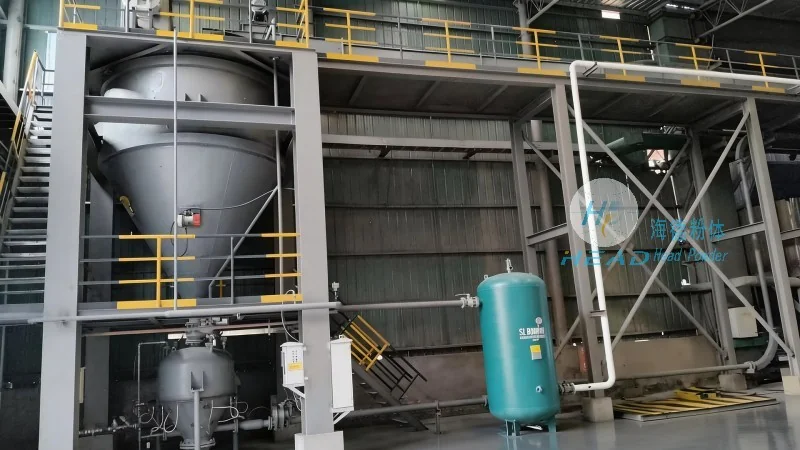
When choosing a cement clinker conveying method, several factors must be considered to ensure optimal performance and cost-effectiveness. These include the distance and elevation changes between the source and destination, the required capacity and flow rate, the nature of the clinker (e.g., moisture content, particle size), and the available space within the plant. HeadPowder’s engineering team conducts thorough assessments of these factors to recommend the most suitable conveying solution. Additionally, factors such as energy consumption, maintenance requirements, and environmental regulations play a crucial role in the decision-making process. By considering these aspects, cement producers can select a conveying method that maximizes efficiency, minimizes operational costs, and ensures compliance with industry standards.
7. HeadPowder’s Expertise in Cement Clinker Conveying Solutions
Shandong HeadPowder Engineering Co., Ltd. has established itself as a trusted partner in the cement industry, offering comprehensive solutions for cement clinker conveying. With years of experience and a commitment to innovation, HeadPowder provides customized conveying systems that meet the unique needs of each client. The company’s team of engineers and technicians work closely with clients to understand their operational challenges and develop tailored solutions. HeadPowder’s products and services are designed to enhance plant performance, reduce downtime, and improve overall material handling efficiency. By leveraging advanced technology and robust engineering, HeadPowder ensures that its conveying solutions are reliable, durable, and cost-effective, contributing to the success of cement production facilities worldwide.

 Công ty TNHH Kỹ thuật Công trình Bột Hải Đức Sơn Đông
 156-6277-7102(Quản lý Trương)
  0531-83386006
  Quận Chương Khâu, Thành phố Tế Nam, Tỉnh Sơn Đông, Trung Quốc
Điện thoại
WeChatTư vấn
Lên đầu