Công ty Hải Đức Bột với hơn 10 năm kinh nghiệm vận chuyển khí, cung cấp hệ thống‑thiết bị‑quạt gió và nhận dự án tổng thầu bột cả nước
Wood fiber conveyance is a critical process in various industrial applications, such as paper manufacturing, biomass energy production, and woodworking. The efficiency and reliability of the conveyance system directly impact production quality and operational costs. Shandong HeadPowder Engineering Co., Ltd., a leading provider in the field, offers a range of advanced solutions tailored to different wood fiber handling needs. This article explores the primary methods of wood fiber conveyance, highlighting the key features and applications of each approach.
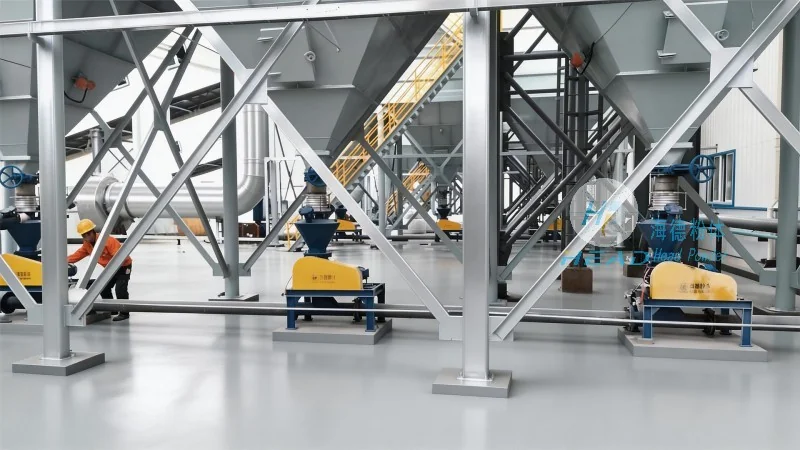
Screw Conveyors: Reliable and Efficient for Wood Fiber Transport
Screw conveyors, also known as auger conveyors, are among the most common and versatile methods for transporting wood fibers. These systems consist of a rotating helical screw inside a trough or tube, which moves the material forward through the mechanism. The design allows for both horizontal and inclined transport, making them suitable for various production lines. HeadPowder's screw conveyors are engineered with durable materials, such as stainless steel or corrosion-resistant alloys, to withstand the abrasive nature of wood fibers. The smooth operation and low maintenance requirements make them an ideal choice for continuous production environments. Additionally, the adjustable speed and capacity settings enable precise control over the flow rate, ensuring consistent material handling. This makes screw conveyors a reliable solution for both small-scale and large-scale wood fiber processing operations.
Belt Conveyors: High-Capacity and Versatile for Bulk Wood Fiber Transport
Belt conveyors are another widely used method for wood fiber conveyance, particularly in applications requiring high-volume material transport. These systems utilize a continuous belt loop that moves over rollers or pulleys, carrying the wood fibers from one point to another. The design allows for long-distance transport and can handle a wide range of material types, including dry or slightly moist wood fibers. HeadPowder's belt conveyors are constructed with heavy-duty belts and robust frame structures to support high loads and ensure stable operation. The modular design enables easy integration into existing production lines, and the adjustable belt speed and tensioning mechanisms provide flexibility in handling different fiber sizes and densities. This makes belt conveyors an efficient solution for large-scale operations, such as in pulp and paper mills or biomass processing facilities.
Air-Flow Conveying Systems: Ideal for Long-Distance and Complex Pathways
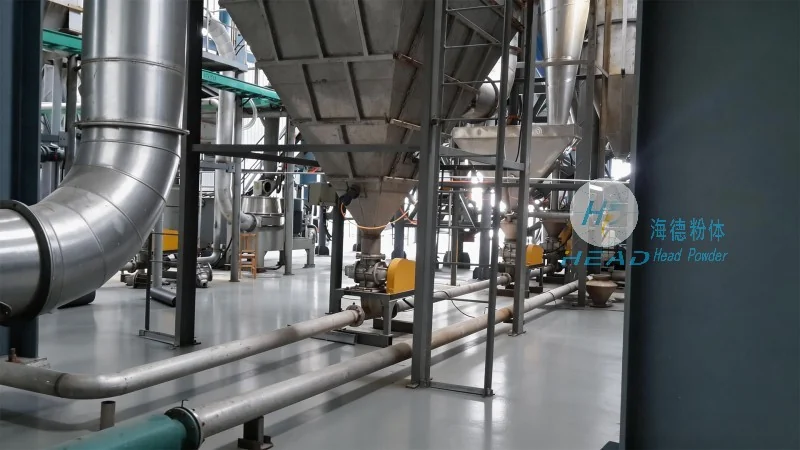
Air-flow conveying systems, or pneumatic conveyors, use compressed air to transport wood fibers through a pipeline. This method is particularly effective for long-distance transport and complex pathways, where traditional mechanical conveyors may be impractical. The system consists of a series of pipes, airlocks, and control valves that regulate the flow of air and material. HeadPowder's air-flow systems are designed with high-efficiency air pumps and specialized nozzles to minimize energy consumption and maximize material throughput. The flexible pipeline layout allows for easy reconfiguration of the conveyance route, making it suitable for dynamic production environments. Additionally, the system can handle fine or powdery wood fibers without causing clogging, thanks to the air pressure and specialized material separation mechanisms. This makes air-flow conveying an excellent choice for applications requiring precise control over material distribution and minimal downtime.
Other Auxiliary Conveying Equipment: Enhancing Overall Efficiency
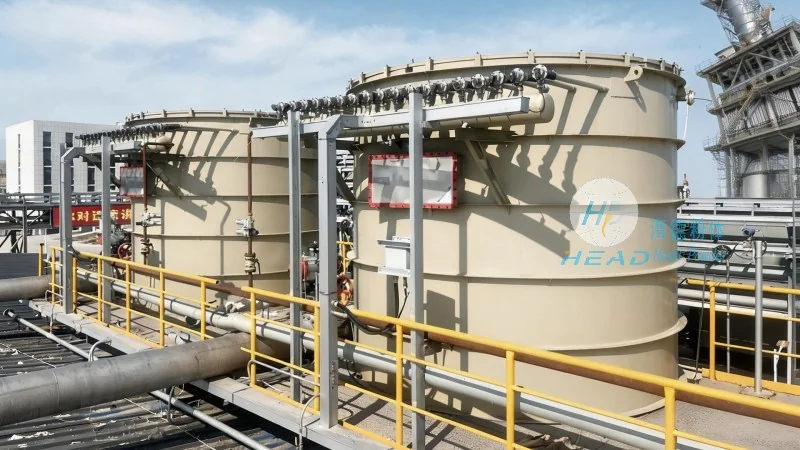
In addition to the primary conveyance methods, HeadPowder also offers a range of auxiliary equipment to enhance the overall efficiency of wood fiber handling systems. These include material feeders, hoppers, and transfer points that ensure smooth material flow and minimize bottlenecks. The feeders are designed with adjustable speed and capacity controls to match the production rate, while the hoppers provide a stable storage and feeding source for the material. Transfer points, such as rotary valves or rotary airlocks, are used to change the direction of the material flow or separate different types of wood fibers. HeadPowder's auxiliary equipment is engineered with durable and easy-to-clean components, ensuring long-term reliability and low maintenance costs. By integrating these auxiliary devices with the main conveyance systems, manufacturers can achieve a more streamlined and efficient wood fiber processing operation.
Shandong HeadPowder Engineering Co., Ltd. specializes in providing customized wood fiber conveyance solutions tailored to the specific needs of each client. With a focus on quality, efficiency, and durability, HeadPowder's products are designed to meet the demands of modern industrial applications. Whether you need a screw conveyor for small-scale processing or a belt conveyor for large-scale production, HeadPowder offers a comprehensive range of solutions to optimize your wood fiber handling operations. By choosing HeadPowder, you can enhance the productivity and reliability of your production line while reducing operational costs and maintenance requirements.

 Công ty TNHH Kỹ thuật Công trình Bột Hải Đức Sơn Đông
 156-6277-7102(Quản lý Trương)
  0531-83386006
  Quận Chương Khâu, Thành phố Tế Nam, Tỉnh Sơn Đông, Trung Quốc
Điện thoại
WeChatTư vấn
Lên đầu