Công ty Hải Đức Bột với hơn 10 năm kinh nghiệm vận chuyển khí, cung cấp hệ thống‑thiết bị‑quạt gió và nhận dự án tổng thầu bột cả nước
For industries dealing with pearl salt, the efficient and reliable transport of particle materials is crucial. Shandong HeadPowder Engineering Co., Ltd., a leading enterprise based in Shandong, China, specializes in providing advanced solutions for particle conveying systems. This article explores the various methods used to transport pearl salt particles, highlighting the technical aspects and practical applications of each approach.
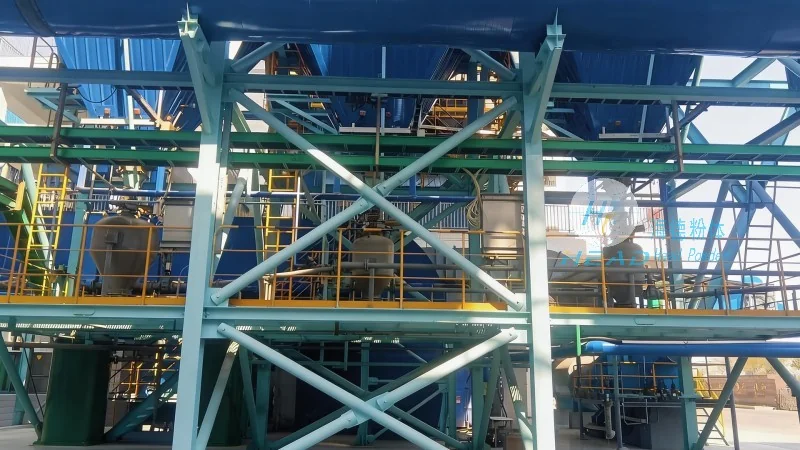
Common Particle Conveying Methods for Pearl Salt
When it comes to transporting pearl salt particles, several methods are commonly employed in industrial settings. These methods are selected based on factors such as particle size, material properties, and the required conveying distance. The primary methods include pneumatic conveying, mechanical conveying, and hydraulic conveying. Each method has its own advantages and limitations, making it essential to choose the most suitable option for specific operational needs.
Pneumatic Conveying Systems
Pneumatic conveying, also known as air conveying, is a widely used method for transporting pearl salt particles. This technique involves the use of compressed air to move particles through a pipeline. There are two main types of pneumatic conveying systems: pressure and vacuum. Pressure systems use positive pressure to push particles forward, while vacuum systems use negative pressure to pull particles into the pipeline. The choice between these systems depends on the distance and the nature of the material being conveyed. For pearl salt, which is typically fine and lightweight, pressure systems are often preferred due to their ability to handle long distances efficiently. The system typically consists of a hopper, a rotary valve, a conveying line, and a dust collector. The rotary valve controls the flow of particles into the conveying line, while the compressed air propels the particles through the pipeline. The dust collector ensures that any fine particles are captured and returned to the system, maintaining a clean and efficient operation.
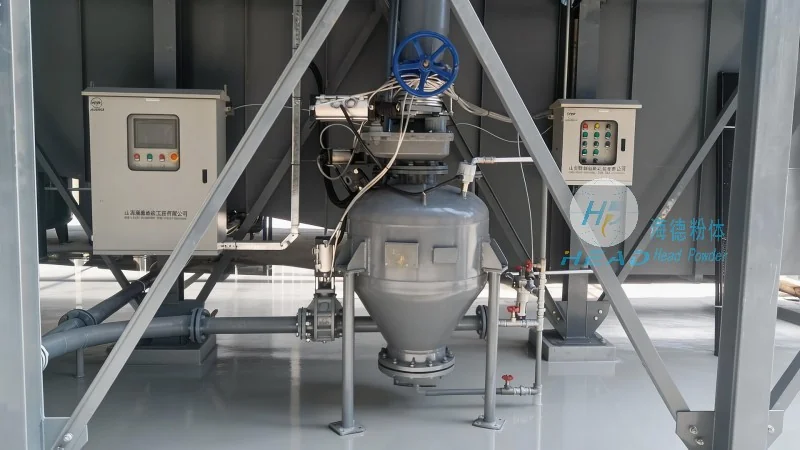
Mechanical Conveying Systems
Mechanical conveying systems are another common approach for transporting pearl salt particles. These systems utilize mechanical components such as belts, screws, and buckets to move particles from one location to another. The most widely used mechanical conveying method for fine particles like pearl salt is the screw conveyor. Screw conveyors consist of a rotating screw inside a trough, which pushes particles forward as the screw turns. This method is particularly effective for horizontal or slightly inclined conveying, as it can handle a wide range of particle sizes and flow rates. Another mechanical option is the bucket elevator, which uses buckets attached to a chain or belt to lift particles vertically. Bucket elevators are ideal for vertical or high-rise applications, providing a reliable means of transporting pearl salt from lower to upper levels. Mechanical conveying systems are generally more cost-effective for shorter distances and lower flow rates compared to pneumatic systems, making them a popular choice for many industrial applications.
Hydraulic Conveying Systems
Hydraulic conveying systems are less common for pearl salt particles but are used in specific scenarios where other methods are not suitable. This technique involves the use of water or other liquids to transport particles through a pipeline. The particles are suspended in the liquid and carried to the destination. Hydraulic conveying is particularly effective for handling abrasive or corrosive materials, as the liquid acts as a protective medium. However, it requires careful maintenance to prevent clogging and ensure efficient operation. The system typically includes a pump, a pipeline, and a separator to remove the liquid from the particles at the end of the conveying process. Hydraulic conveying is generally more complex and expensive compared to pneumatic or mechanical systems, so it is usually reserved for specialized applications where the benefits outweigh the costs.
Factors to Consider When Choosing a Conveying Method
When selecting a particle conveying method for pearl salt, several factors must be taken into account. The first consideration is the particle size and shape. Fine, irregularly shaped particles may require more specialized equipment to prevent clogging and ensure smooth transport. The second factor is the conveying distance and layout. Longer distances may necessitate the use of pneumatic systems with larger compressors or multiple stages, while shorter distances can be handled by mechanical systems. The third factor is the required flow rate and capacity. High flow rates may require multiple conveyors or larger diameter pipelines. The fourth factor is the environmental and safety considerations. Pneumatic systems may generate dust, requiring proper ventilation and dust collection. Mechanical systems may have moving parts that need regular maintenance to prevent accidents. The fifth factor is the cost and maintenance requirements. Mechanical systems are generally lower in initial cost but may have higher maintenance costs over time. Pneumatic systems have higher initial costs but lower maintenance costs. The choice of conveying method should be based on a thorough analysis of these factors to ensure optimal performance and cost-effectiveness.
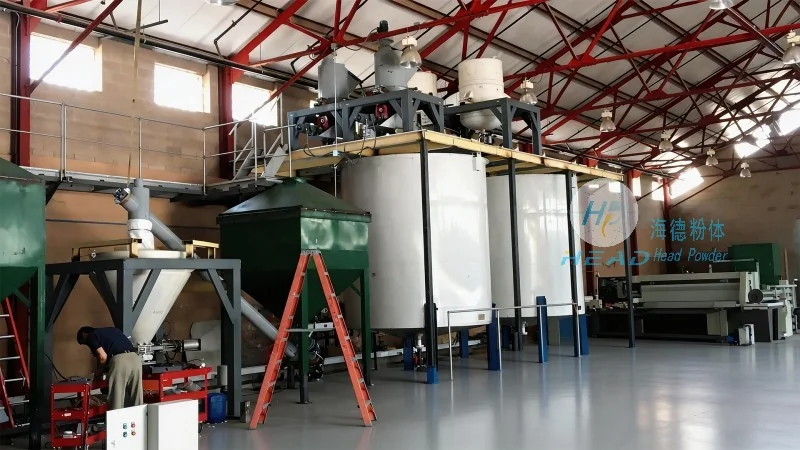
Applications of Pearl Salt Particle Conveying
Pearl salt particle conveying is used in a variety of applications across different industries. In the food industry, pearl salt is used as a seasoning and preservative, and efficient conveying is essential for maintaining product quality and consistency. The pharmaceutical industry also uses pearl salt as an excipient, and conveying systems must meet strict regulatory requirements for cleanliness and contamination control. In the chemical industry, pearl salt is used as a raw material for various products, and conveying systems must be able to handle the material's properties, such as its moisture content and abrasiveness. The construction industry uses pearl salt as a component in concrete and other building materials, and conveying systems must be able to handle the material's bulk and flow characteristics. The choice of conveying method depends on the specific application and the requirements of the end product.
Conclusion
Efficient particle conveying is a critical aspect of industrial operations involving pearl salt. Shandong HeadPowder Engineering Co., Ltd. offers a range of advanced conveying solutions tailored to the specific needs of different industries. By understanding the various methods and factors involved, businesses can select the most suitable conveying system to ensure smooth and reliable transport of pearl salt particles. Whether using pneumatic, mechanical, or hydraulic systems, the goal is to achieve optimal performance, cost-effectiveness, and safety in the transport process. With the right conveying system, industries can improve their operational efficiency and maintain the quality of their products.

 Công ty TNHH Kỹ thuật Công trình Bột Hải Đức Sơn Đông
 156-6277-7102(Quản lý Trương)
  0531-83386006
  Quận Chương Khâu, Thành phố Tế Nam, Tỉnh Sơn Đông, Trung Quốc
Điện thoại
WeChatTư vấn
Lên đầu