Công ty Hải Đức Bột với hơn 10 năm kinh nghiệm vận chuyển khí, cung cấp hệ thống‑thiết bị‑quạt gió và nhận dự án tổng thầu bột cả nước
Efficient transportation of cement and fly ash is a critical aspect of modern construction and industrial processes. The proper selection of a transport method can significantly impact operational efficiency, cost-effectiveness, and environmental compliance. This article explores various methods used for transporting cement and fly ash, providing insights into the technologies and considerations involved. The information presented is based on the expertise of Shandong HeadPowder Engineering Co., Ltd., a leading provider of bulk material handling solutions.
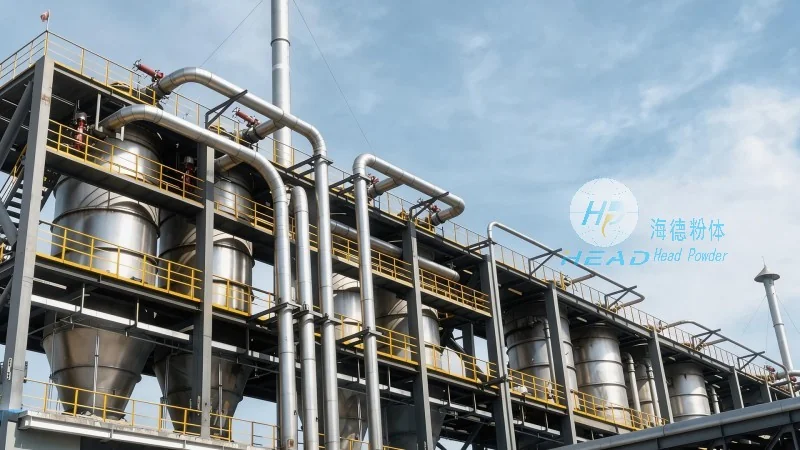
Introduction to Cement and Fly Ash Transportation
Cement and fly ash are essential materials in the production of concrete and other building materials. Fly ash, a byproduct of coal combustion, is often used as a supplementary cementitious material to enhance the properties of concrete. Both materials are typically handled in bulk quantities and require reliable transport systems to move them from production sites to construction sites or storage facilities. The choice of transportation method depends on factors such as material characteristics, distance, volume, and environmental regulations.
Key Considerations in Selecting a Transportation Method
Before choosing a transport method, several factors must be evaluated. These include the physical properties of the material, such as particle size, moisture content, and flowability. The distance between the source and destination is another critical factor, as it influences the cost and complexity of the transport system. Additionally, environmental considerations, like dust control and emissions, play a significant role in the selection process. The budget available for the transport system and the required speed of delivery are also important considerations.
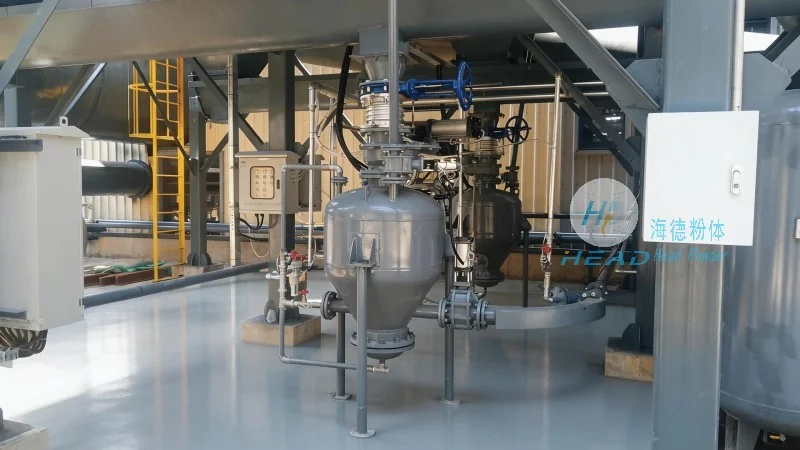
Pipeline Transportation
Pipeline transportation is a widely used method for moving bulk materials like cement and fly ash. This method involves transporting the material through a network of pipes under pressure. The system typically consists of a hopper, a pump, and a pipeline network. The material is first fed into the hopper, then pumped through the pipeline to the destination. This method is particularly effective for long-distance transport and can handle large volumes of material continuously. The pipeline system can be designed to transport both dry and slurry materials, making it versatile for different applications. Shandong HeadPowder Engineering Co., Ltd. specializes in designing and implementing pipeline systems that meet the specific needs of clients, ensuring efficient and reliable transport of cement and fly ash.
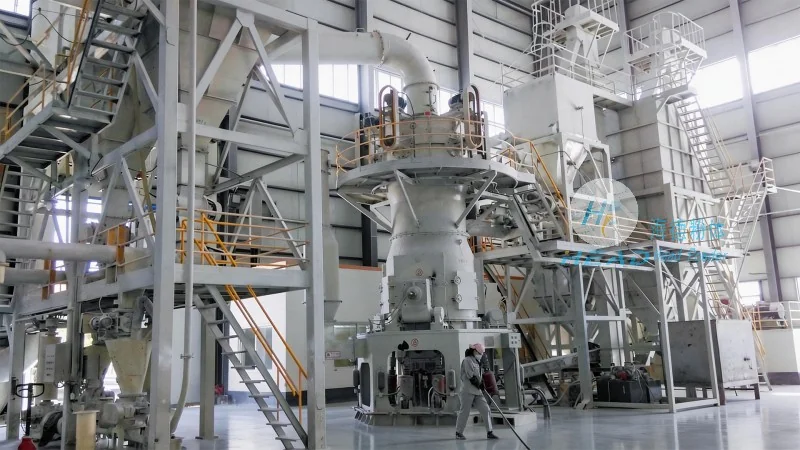
Belt Conveyor Systems
Belt conveyor systems are another common method for transporting cement and fly ash. These systems use a continuous belt to move material from one location to another. The belt is supported by rollers and moves at a controlled speed, carrying the material along its path. Belt conveyors are suitable for both horizontal and inclined transport and can handle a wide range of material types and volumes. They are often used in industrial settings where material needs to be moved over short to medium distances. The design of the belt conveyor can be customized to accommodate different material characteristics, such as the presence of moisture or abrasive particles. The company’s expertise in conveyor system design ensures that clients receive systems that are optimized for their specific material handling requirements.
Airborne (Pneumatic) Conveying
Airborne or pneumatic conveying is a method that uses air pressure to transport materials through a pipeline. This system is particularly effective for handling fine powders like cement and fly ash. The material is fed into the pipeline and carried by a stream of air, which moves it to the destination. Pneumatic conveying systems can be either positive pressure or negative pressure, depending on the application. Positive pressure systems use a blower to push air and material through the pipeline, while negative pressure systems use a vacuum to draw material into the pipeline. This method is ideal for applications where dust control is a priority, as the material is contained within the pipeline. Shandong HeadPowder Engineering Co., Ltd. offers advanced pneumatic conveying solutions that enhance material transport efficiency while minimizing environmental impact.
Truck and Rail Transportation
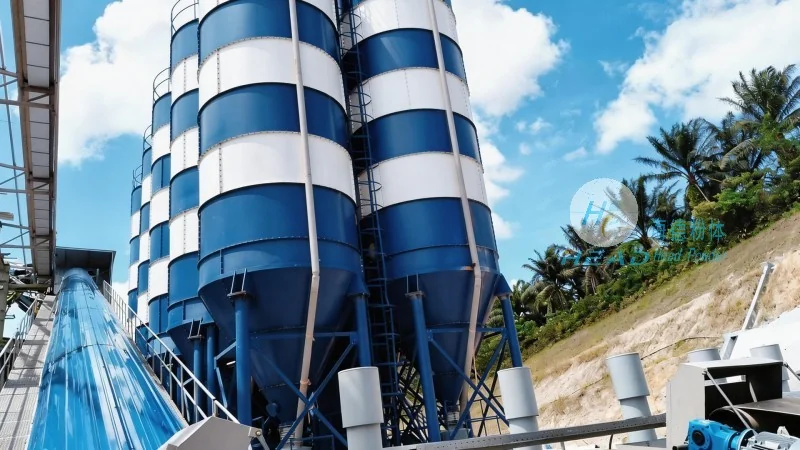
For shorter distances or when other methods are not feasible, truck and rail transportation are used. Trucks can transport cement and fly ash in bulk containers or in open-top trucks. Rail transport involves using specialized railcars designed to carry bulk materials. Both methods are suitable for transporting large volumes of material over relatively short distances. Truck transportation offers flexibility in terms of delivery location, while rail transport is more cost-effective for long-distance transport. However, these methods are generally less efficient for continuous, high-volume transport compared to pipeline or conveyor systems. The company provides logistical support and consultation to clients considering truck or rail transport options, ensuring that the chosen method aligns with their operational goals.
Conclusion
The choice of cement and fly ash transportation method depends on various factors, including the material properties, distance, and operational requirements. Pipeline and belt conveyor systems are commonly used for efficient, continuous transport, while pneumatic conveying offers advantages in dust control. Truck and rail transport are suitable for shorter distances or when other methods are not available. Understanding these options and selecting the appropriate method is crucial for optimizing the transportation process and ensuring the successful delivery of cement and fly ash to construction sites or storage facilities. Shandong HeadPowder Engineering Co., Ltd. leverages its expertise to help clients choose and implement the most suitable transportation methods for their specific needs, enhancing overall operational efficiency and sustainability.

 Công ty TNHH Kỹ thuật Công trình Bột Hải Đức Sơn Đông
 156-6277-7102(Quản lý Trương)
  0531-83386006
  Quận Chương Khâu, Thành phố Tế Nam, Tỉnh Sơn Đông, Trung Quốc
Điện thoại
WeChatTư vấn
Lên đầu