Công ty Hải Đức Bột với hơn 10 năm kinh nghiệm vận chuyển khí, cung cấp hệ thống‑thiết bị‑quạt gió và nhận dự án tổng thầu bột cả nước
Gellan powder, a versatile hydrocolloid widely used in food and industrial applications, requires efficient and reliable conveying methods to ensure smooth production processes. As a leading manufacturer in the field, Shandong HeadPowder Engineering Co., Ltd. (commonly known as HeadPowder) understands the importance of selecting the right conveying system for optimal performance. This article explores various gellan powder conveying methods, highlighting their applications, advantages, and considerations for different industrial settings.
Understanding Gellan Powder and Its Conveying Needs
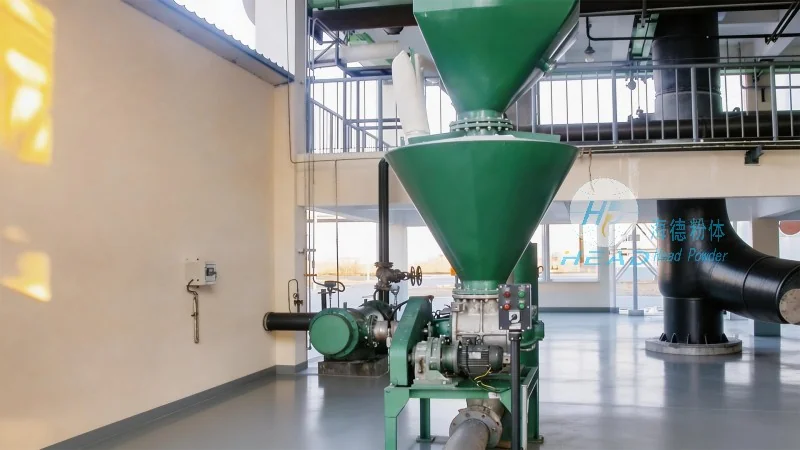
Gellan powder is a high-quality polysaccharide extracted from the bacterium Sphingomonas elodea. It is known for its excellent gelling properties, stability, and ability to form clear or opaque gels under specific conditions. Due to its fine particle size and hygroscopic nature, gellan powder poses unique challenges during handling and transportation. Proper conveying methods are essential to prevent product degradation, maintain consistency, and ensure safe and efficient movement within processing lines.
Common Gellan Powder Conveying Methods
Several conveying systems are commonly employed for gellan powder, each with its own set of advantages and limitations. The choice of method depends on factors such as the volume of material, the distance to be conveyed, the desired speed, and the specific characteristics of the powder. Below are some of the most widely used gellan powder conveying methods:
Screw Conveyors (Auger Conveyors)
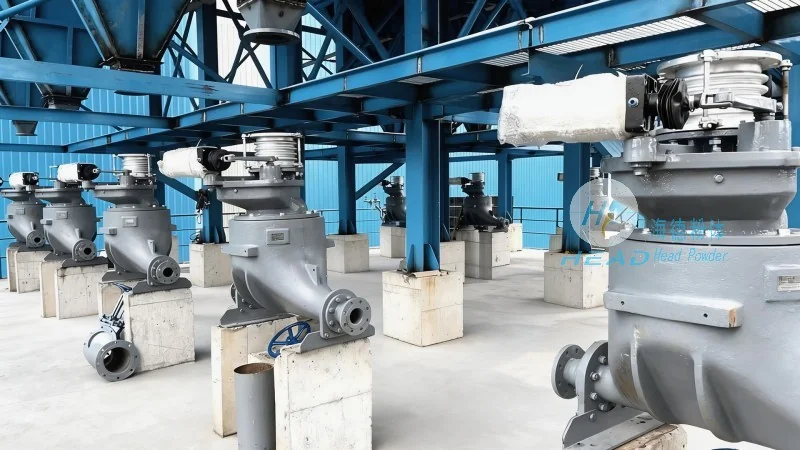
Screw conveyors are one of the most common and effective methods for conveying gellan powder. These systems consist of a rotating helical screw inside a U-shaped or tubular housing. The screw pushes the powder forward as it rotates, providing a continuous and controlled flow. Screw conveyors are particularly suitable for vertical or inclined transport, making them ideal for elevating gellan powder from lower to higher levels in a production facility. They are also effective for horizontal or slight incline applications, offering a compact design that requires minimal space. The smooth, non-stick surfaces of the screw and housing help prevent gellan powder from adhering, reducing the risk of clogging and ensuring consistent throughput. Additionally, screw conveyors can be equipped with variable speed drives to adjust the conveying rate according to production demands, providing flexibility in handling different batch sizes.
Air-Flow Conveying (Pneumatic Conveying)
Air-flow or pneumatic conveying systems use compressed air to transport gellan powder through a pipeline. This method is particularly useful for long-distance or high-volume transport, as it can move large quantities of material over considerable distances with minimal equipment. There are two main types of pneumatic conveying: pressure and vacuum systems. Pressure systems use positive pressure to push the powder through the pipeline, while vacuum systems use negative pressure to pull the material. For gellan powder, pressure systems are often preferred as they provide better control over the flow rate and prevent product degradation caused by excessive air exposure. The system typically includes a hopper, a rotary valve for feeding, a pipeline, and a receiver for the discharged powder. Air-flow conveying is particularly effective for preventing dust and maintaining a clean environment, as the powder is contained within the pipeline. However, it requires careful maintenance to prevent air leaks and ensure consistent air pressure, which can impact the conveying efficiency.
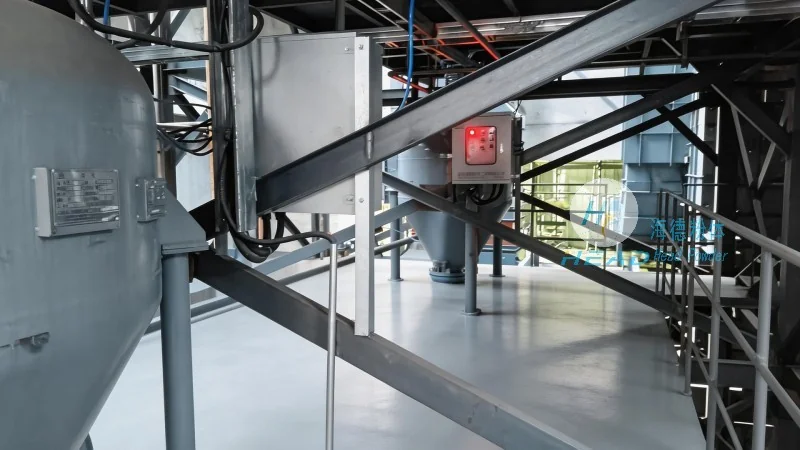
Vacuum Pneumatic Conveying
Vacuum pneumatic conveying is another option for gellan powder transport, especially when the material needs to be moved from a higher to a lower level or over short distances. This method uses a vacuum pump to create a negative pressure in the pipeline, drawing the powder from the source and transporting it to the destination. Vacuum systems are often more flexible in terms of layout, as they can be installed in various configurations without the need for complex infrastructure. They are particularly useful for handling gellan powder in environments where dust control is critical, as the sealed pipeline prevents dust from escaping. However, vacuum systems may have lower conveying capacities compared to pressure systems and can be more prone to clogging if the powder is too fine or contains moisture. Proper filtration and maintenance are essential to ensure smooth operation and prevent system blockages.
Bucket Elevators
Bucket elevators are vertical conveying systems that use a chain or belt with attached buckets to lift gellan powder from the ground level to elevated positions. This method is highly efficient for vertical transport and is commonly used in industries where large volumes of material need to be elevated, such as in food processing plants. The buckets are filled with gellan powder at the bottom and then lifted by the rotating chain or belt, releasing the material at the top into a discharge hopper. Bucket elevators are particularly effective for handling bulk gellan powder, as they can transport large quantities with minimal space requirements. They are also suitable for conveying materials with a high moisture content or those that are prone to caking, as the buckets provide a continuous and controlled flow. However, bucket elevators require regular maintenance to ensure the buckets are in good condition and the chain or belt is properly aligned, which is crucial for preventing material spillage and system breakdowns.
Belt Conveyors
Belt conveyors are horizontal or slightly inclined systems that use a continuous belt to transport gellan powder from one point to another. This method is widely used in various industries, including food processing, for moving bulk materials over short to medium distances. The belt is supported by rollers and a frame, and the gellan powder is placed on the belt and carried forward by its movement. Belt conveyors are particularly effective for handling large quantities of gellan powder, as they can transport material at high speeds with minimal friction. They are also suitable for conveying materials with a wide range of particle sizes, as the belt can accommodate different types of gellan powder without causing clogging. Belt conveyors are often equipped with idlers and tensioning mechanisms to ensure smooth operation and prevent belt slippage. Additionally, they can be fitted with accessories such as feeders and discharge chutes to control the flow rate and direction of the powder. However, belt conveyors require regular cleaning and maintenance to prevent gellan powder from adhering to the belt, which can lead to reduced efficiency and increased wear and tear.
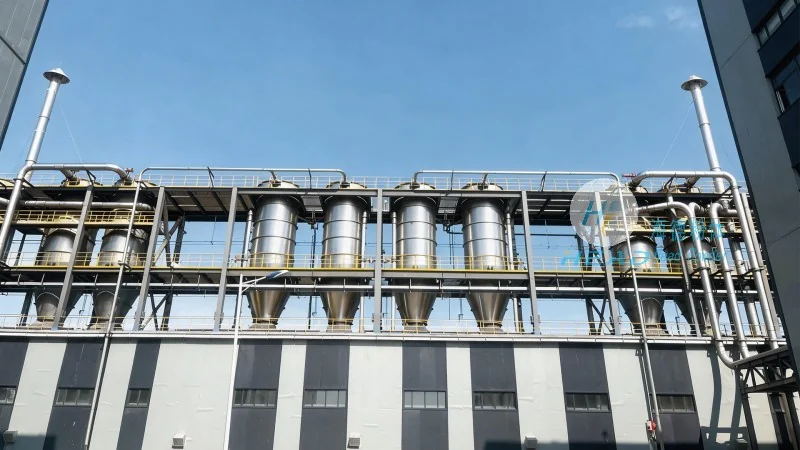
Choosing the Right Conveying Method for Gellan Powder
When selecting a conveying method for gellan powder, several factors must be considered to ensure optimal performance and efficiency. The first consideration is the volume and particle size of the material. For small to medium volumes and fine powders, screw conveyors or air-flow systems may be more suitable, while for large volumes and bulk materials, bucket elevators or belt conveyors may be more effective. The distance to be conveyed is another critical factor, as long-distance transport may require pneumatic systems, while short-distance transport can be handled by screw or belt conveyors. The desired speed and control over the flow rate are also important, as some applications may require precise control over the amount of gellan powder being conveyed. Additionally, the environmental conditions, such as dust control and hygiene requirements, should be taken into account, as certain systems, like air-flow conveyors, provide better containment and reduce dust exposure. Finally, the cost of installation, maintenance, and operation should be evaluated to ensure the chosen method is economically viable for the specific application.
Conclusion
Gellan powder conveying methods play a crucial role in ensuring efficient and reliable production processes. By understanding the unique properties of gellan powder and the available conveying systems, manufacturers can select the most appropriate method to meet their specific needs. Shandong HeadPowder Engineering Co., Ltd. specializes in providing high-quality gellan powder and related conveying solutions, ensuring that clients receive products and systems that are tailored to their requirements. Whether using screw conveyors, air-flow systems, or other methods, the goal is to maintain the quality and consistency of gellan powder while optimizing the overall production workflow. With the right conveying method in place, manufacturers can enhance productivity, reduce downtime, and ensure the safe and efficient handling of gellan powder in their operations.

 Công ty TNHH Kỹ thuật Công trình Bột Hải Đức Sơn Đông
 156-6277-7102(Quản lý Trương)
  0531-83386006
  Quận Chương Khâu, Thành phố Tế Nam, Tỉnh Sơn Đông, Trung Quốc
Điện thoại
WeChatTư vấn
Lên đầu