Công ty Hải Đức Bột với hơn 10 năm kinh nghiệm vận chuyển khí, cung cấp hệ thống‑thiết bị‑quạt gió và nhận dự án tổng thầu bột cả nước
When it comes to handling and transporting crystalline materials in industrial settings, selecting the right transport method is crucial for efficiency, product integrity, and operational safety. The choice of crystal transport method depends on various factors including the material's properties, particle size, moisture content, and the required throughput. In this article, we explore the common methods used for crystal transport, focusing on the approaches and equipment that are most effective for different applications.
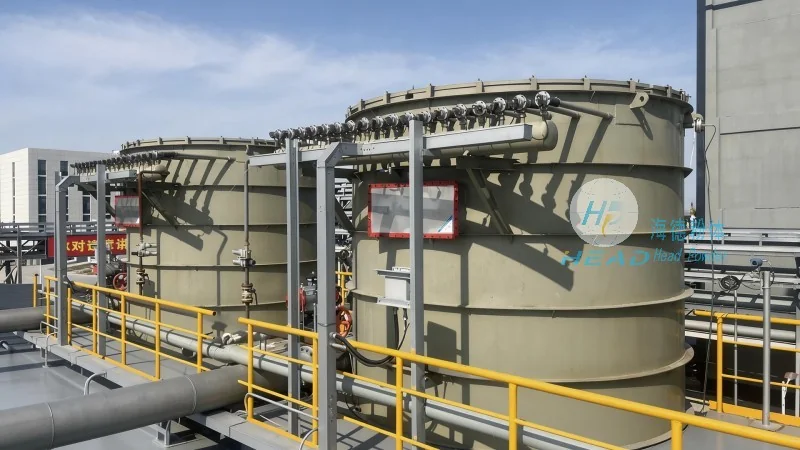
Introduction to Crystal Transport
Crystalline materials, such as pharmaceuticals, chemicals, and food additives, often require specialized handling due to their unique physical and chemical characteristics. These materials can be delicate, hygroscopic, or have high purity requirements, making standard bulk material handling equipment unsuitable. Therefore, understanding the appropriate crystal transport methods is essential for maintaining product quality and ensuring smooth production processes.
Key Factors Influencing Crystal Transport Method Selection
Before delving into specific transport methods, it's important to consider the key factors that influence the choice of equipment and approach. These factors include:
Material Properties: The density, shape, and surface characteristics of the crystals. For example, irregularly shaped crystals may require equipment that can handle non-uniform particles.
Particle Size and Distribution: The size of the crystals and how evenly they are distributed. Fine powders may need different handling compared to larger, more solid crystals.
Moisture Content and Hygroscopicity: Materials that are prone to absorbing moisture may require enclosed systems to prevent degradation.
Throughput Requirements: The volume of material that needs to be transported per unit time, which dictates the capacity of the transport equipment.
Common Crystal Transport Methods
Several methods are commonly used for transporting crystalline materials, each with its own advantages and suitable applications. The following sections detail these methods, including the equipment typically used and the conditions under which they are most effective.
Screw Conveyors for Crystal Transport
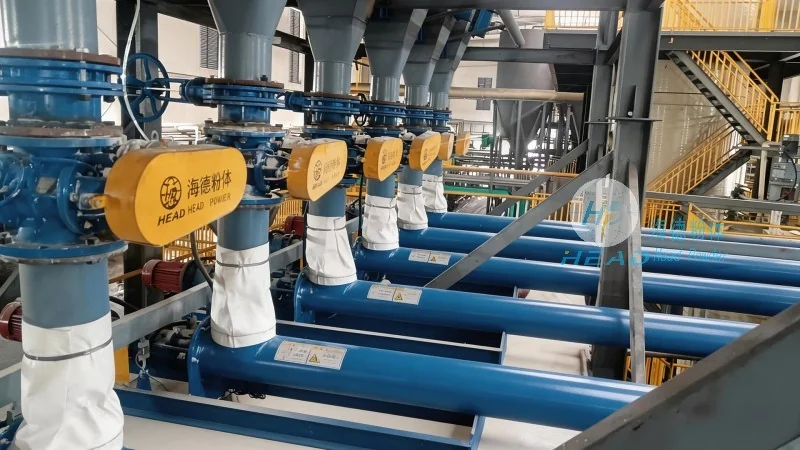
Screw conveyors, also known as auger conveyors, are widely used for transporting crystalline materials due to their ability to handle a variety of particle sizes and shapes. These conveyors consist of a rotating screw (auger) inside a trough or tube, which moves material forward through the system. For crystalline materials, screw conveyors are often designed with smooth, non-stick surfaces to prevent product buildup and ensure consistent flow. They are particularly effective for horizontal or slight incline transport and can be used in both batch and continuous operations.
Vibrating Conveyors for Crystal Handling
Vibrating conveyors utilize vibrations to move crystalline materials along a conveyor bed. The vibrations are typically generated by an electric motor connected to a drive system, which causes the conveyor to oscillate. This method is ideal for materials that are prone to bridging or caking, as the vibrations help break up agglomerates and maintain a uniform flow. Vibrating conveyors are often used for both horizontal and inclined transport and can handle a wide range of particle sizes, from fine powders to larger crystals. They are particularly useful in applications where minimal product degradation is required, such as in pharmaceutical or food processing industries.
Pneumatic Conveying Systems for Crystal Transport
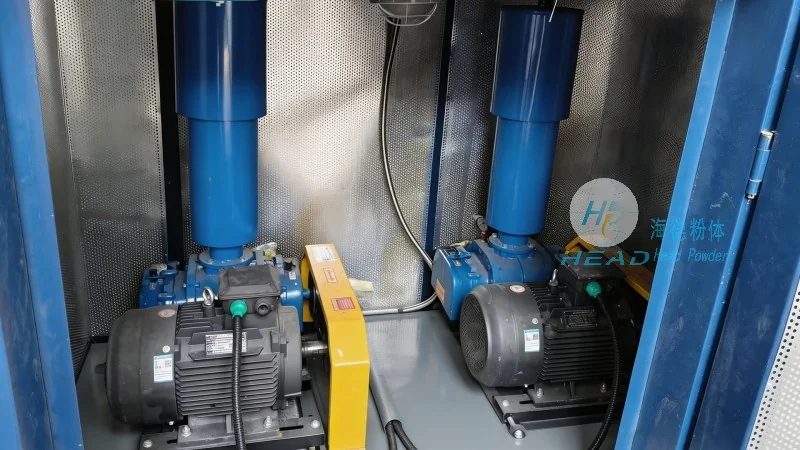
Pneumatic conveying systems use air or other gases to transport crystalline materials through a pipeline. These systems can be classified into two main types: dilute phase and dense phase. Dilute phase systems use high-velocity air to suspend particles and move them through the pipeline, while dense phase systems use lower air velocities to push material in a more controlled manner. Pneumatic conveying is advantageous for transporting materials over long distances or in enclosed systems, as it can handle fine powders and prevent contamination. However, it may not be suitable for very large or heavy crystals due to the limitations of air pressure and particle size.
Bucket Elevators for Vertical Crystal Transport
Bucket elevators are used for vertical transport of crystalline materials, where the material is lifted from a lower to a higher level. These systems consist of a continuous chain with buckets attached, which move along a vertical or inclined track. As the buckets pass through a hopper filled with material, they scoop up the crystals and transport them upward. Bucket elevators are highly efficient for vertical transport and can handle a wide range of materials, including those with high moisture content or that are prone to caking. They are commonly used in industries such as food processing and chemical manufacturing where vertical movement is necessary.
Chute and Hopper Systems for Gravity-Driven Transport
For applications where gravity can be utilized to transport crystalline materials, chute and hopper systems are employed. These systems rely on the natural flow of material from a higher to a lower level, guided by chutes or hoppers. The design of the chute and hopper is critical to ensure smooth flow and prevent material buildup or blockages. This method is simple and cost-effective for short horizontal or inclined distances but is limited by the need for a sufficient vertical drop or incline. It is often used in conjunction with other transport methods for final discharge or transfer.
Specialized Equipment for Delicate Crystals
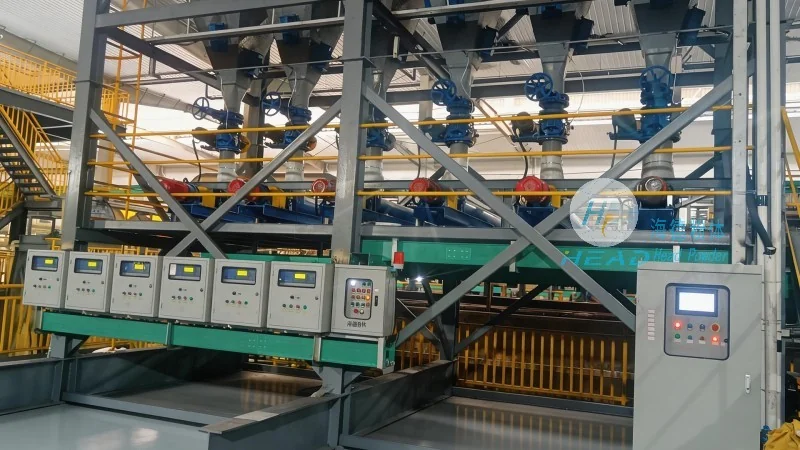
For crystalline materials that are particularly delicate or have high purity requirements, specialized equipment may be necessary. These include:
Rotary Valves: Used to control the flow of material from a hopper into a conveyor system, ensuring a consistent and controlled discharge.
Feeder Systems: Such as loss-in-weight or gravimetric feeders, which provide precise control over the material flow rate, critical for processes requiring exact dosing.
Enclosed and Airtight Conveyors: To prevent contamination and moisture absorption, especially for pharmaceutical or food-grade crystals.
Considerations for Maintaining Product Quality
When selecting a crystal transport method, it is essential to consider how the method affects product quality. Factors such as temperature control, moisture exposure, and mechanical stress can impact the purity and stability of the crystals. For example, some crystalline materials may degrade at high temperatures or when exposed to air, requiring transport systems with temperature regulation and enclosed designs. Additionally, the choice of materials for the conveyor components (e.g., stainless steel, PTFE) can affect product contamination and wear.
Conclusion
In conclusion, the selection of a crystal transport method is a critical decision that impacts the efficiency and quality of industrial processes. By considering the material properties, particle size, and operational requirements, industries can choose the most appropriate transport method to ensure smooth, safe, and cost-effective handling of crystalline materials. Companies like Shandong HeadPowder Engineering Co., Ltd. specialize in providing customized crystal transport solutions tailored to specific industry needs, ensuring that materials are handled with the highest standards of quality and integrity.

 Công ty TNHH Kỹ thuật Công trình Bột Hải Đức Sơn Đông
 156-6277-7102(Quản lý Trương)
  0531-83386006
  Quận Chương Khâu, Thành phố Tế Nam, Tỉnh Sơn Đông, Trung Quốc
Điện thoại
WeChatTư vấn
Lên đầu