Công ty Hải Đức Bột với hơn 10 năm kinh nghiệm vận chuyển khí, cung cấp hệ thống‑thiết bị‑quạt gió và nhận dự án tổng thầu bột cả nước
White ash, also known as fly ash or bottom ash, is a byproduct of coal combustion in thermal power plants. Efficient transportation of this material is crucial for its utilization in construction, cement production, and other industrial applications. Various methods have been developed to handle the unique properties of white ash, including its fine particle size, moisture content, and potential for dust generation. The choice of transportation method depends on factors such as the distance to be covered, the volume of ash to be moved, and the specific requirements of the end-user.
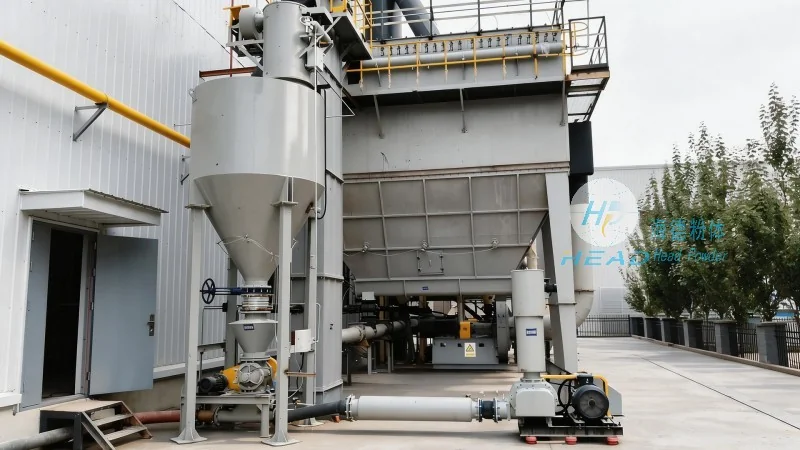
Key Factors Influencing White Ash Transportation Methods
Before selecting a transportation method, several key factors must be considered. The distance between the ash source (e.g., a power plant) and the destination (e.g., a cement plant or construction site) is a primary determinant. Short distances may allow for simpler methods like conveyor belts, while long distances often require more specialized equipment like pneumatic conveyors or truck transport. The volume of ash to be transported also plays a role; large-scale operations may necessitate bulk handling systems, whereas smaller volumes might use smaller-scale equipment. Additionally, the ash's moisture content and particle size affect the choice of method, as wetter or finer materials may require more robust systems to prevent clogging or loss of material.
Pneumatic Conveying Systems for White Ash
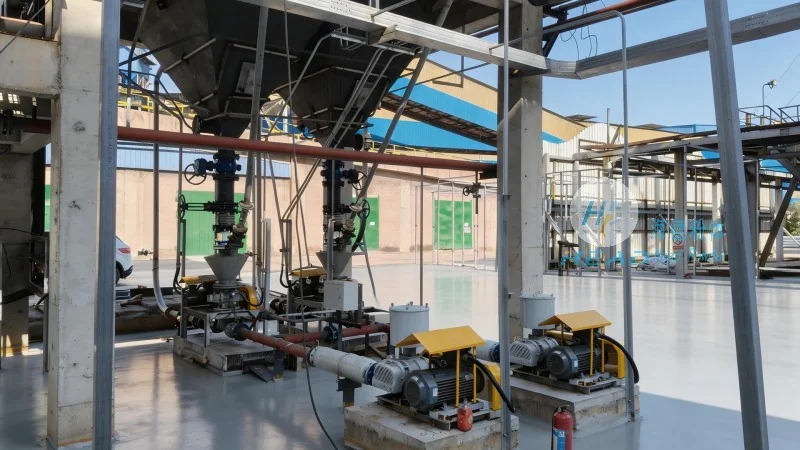
Pneumatic conveying is a widely used method for transporting white ash, especially over medium to long distances. This system uses air pressure or vacuum to move the material through a pipeline. There are two main types: positive pressure and negative pressure systems. Positive pressure systems blow air into the pipeline, pushing the ash forward, while negative pressure systems create a vacuum to draw the ash into the pipe. Pneumatic conveyors are particularly effective for fine, dry white ash, as they can handle high volumes with minimal dust generation. However, they require careful design to prevent material buildup and ensure consistent airflow. The system typically includes a hopper to feed the ash, a conveyor line, and a receiver at the destination. For example, a positive pressure system might be used to transport ash from a power plant to a nearby cement plant, where it will be used as a supplementary cementitious material.
Conveyor Belt Systems for Bulk White Ash Transport
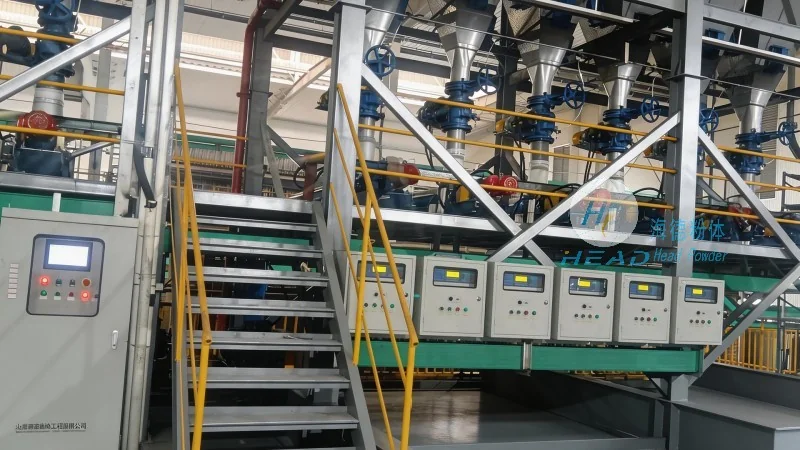
Conveyor belts are another common method for transporting white ash, especially for shorter distances or when handling larger volumes. These systems consist of a continuous belt that moves the ash from the source to the destination. The belt is supported by rollers and driven by a motor, allowing it to transport the material efficiently. Conveyor belts are particularly suitable for dry or slightly moist white ash, as they can handle large quantities without significant dust issues. They are often used in industrial settings where the ash is to be stored in silos or directly fed into processing equipment. For instance, a conveyor belt system might be installed at a power plant to move ash from the bottom of the boiler to a storage silo, where it can be later loaded onto trucks or transported to a cement plant via a secondary conveyor. The design of the belt system must consider the ash's weight and particle size to prevent belt wear and ensure smooth operation.
Truck and Rail Transport for Long-Distance White Ash Movement
For long-distance transportation of white ash, truck and rail transport are often employed. Trucks are used for shorter to medium distances, while rail transport is more suitable for very long distances or large volumes. In truck transport, the ash is loaded into specialized containers or trailers, which are then transported to the destination. This method is flexible and can reach locations that are not easily accessible by other means. Rail transport involves loading the ash into hopper cars, which are then pulled by locomotives. This method is cost-effective for large-scale operations and can transport large volumes over long distances with minimal environmental impact. However, both truck and rail transport require careful handling to prevent dust emissions and ensure compliance with environmental regulations. The loading and unloading processes must be designed to minimize spillage and dust, often using enclosed containers or covered wagons.
Storage and Handling Considerations for White Ash
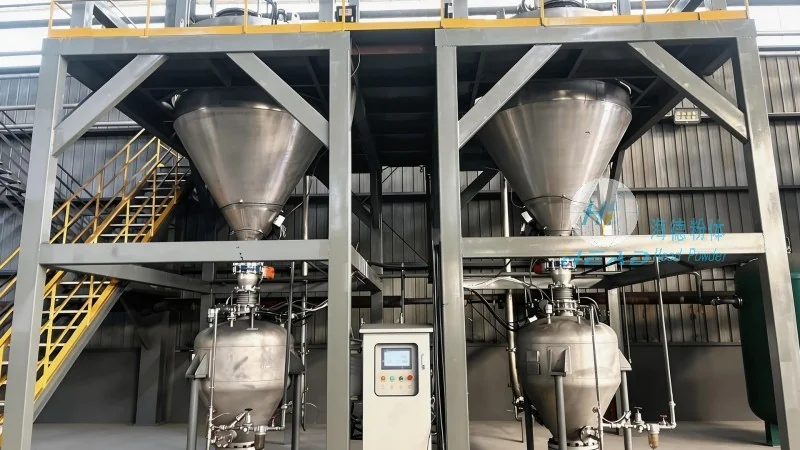
Regardless of the transportation method used, proper storage and handling of white ash are essential to maintain its quality and usability. White ash is often stored in silos or storage tanks before being transported or used. These storage facilities must be designed to prevent moisture absorption and dust accumulation. Silos are typically made of steel or concrete and are equipped with aeration systems to maintain the ash's quality. The storage area should also be equipped with dust control measures, such as ventilation systems or dust collectors, to ensure a safe working environment. When handling white ash, workers must follow safety protocols to prevent exposure to dust and potential health hazards. Proper personal protective equipment (PPE), such as respirators and gloves, is required when working with white ash to minimize the risk of respiratory issues.
Choosing the Right White Ash Transportation Method
Selecting the appropriate white ash transportation method requires a comprehensive analysis of the specific project requirements. Factors such as distance, volume, ash properties, and cost must all be considered. For example, a small-scale operation with short distances might opt for a conveyor belt system, while a large-scale operation with long distances might choose a pneumatic conveying system. It is also important to consider the environmental impact of each method, as some systems may generate more dust or require more energy than others. Consulting with a specialized engineering company, such as Shandong HeadPowder Engineering Co., Ltd., can help in evaluating the best transportation method for a specific application. This company, based in Shandong, China, has extensive experience in designing and implementing white ash transportation systems, ensuring efficient and cost-effective solutions for various industrial needs.

 Công ty TNHH Kỹ thuật Công trình Bột Hải Đức Sơn Đông
 156-6277-7102(Quản lý Trương)
  0531-83386006
  Quận Chương Khâu, Thành phố Tế Nam, Tỉnh Sơn Đông, Trung Quốc
Điện thoại
WeChatTư vấn
Lên đầu