Công ty Hải Đức Bột với hơn 10 năm kinh nghiệm vận chuyển khí, cung cấp hệ thống‑thiết bị‑quạt gió và nhận dự án tổng thầu bột cả nước
When it comes to handling and transporting polyurethane (PUR) materials, selecting the right conveying method is crucial for efficiency and safety in industrial applications. The choice of method depends on factors such as material properties, production scale, and operational environment. Shandong HeadPowder Engineering Co., Ltd., a leading provider in the field, offers insights into various PUR conveying approaches that enhance productivity while ensuring compliance with industry standards.
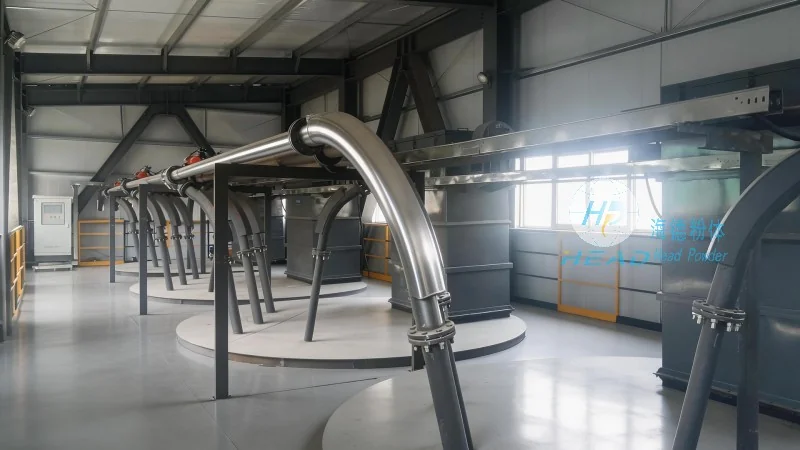
Understanding the Basics of PUR Conveying
Polyurethane (PUR) is a versatile polymer widely used in manufacturing processes due to its flexibility, durability, and resistance to wear and tear. Conveying PUR materials involves moving them from storage to processing equipment without degradation or loss of quality. The primary goal is to maintain material integrity and minimize downtime. At Shandong HeadPowder Engineering Co., Ltd., experts emphasize the importance of matching the conveying method to the specific characteristics of the PUR product, such as viscosity, particle size, and flowability.
Common Methods of PUR Conveying
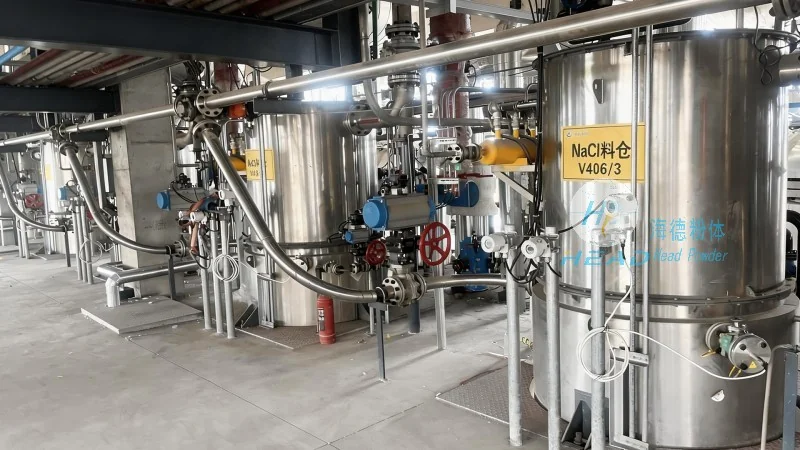
Several methods are commonly employed for PUR conveying, each with its advantages and limitations. The most prevalent approaches include mechanical conveying, gravity-based systems, and vacuum-assisted transport. Mechanical conveying typically involves using pumps, augers, or screw conveyors to move PUR materials. This method is suitable for high-viscosity or viscous PUR compounds that require force to be moved. For example, a positive displacement pump can effectively handle thick PUR resins, ensuring consistent flow rates. Gravity systems, on the other hand, rely on the natural downward movement of materials through chutes or hoppers. This approach is ideal for low-viscosity PUR liquids or granules that can flow freely under gravity. It reduces energy consumption and is cost-effective for applications with minimal vertical height differences. Vacuum-assisted conveying uses suction to draw PUR materials from a source to a destination. This method is particularly useful for handling fine powders or dust-like PUR components, as it prevents material loss and contamination. The vacuum system can be integrated with filters to maintain air quality and ensure product purity.
Factors Influencing the Choice of Conveying Method
The selection of a PUR conveying method is influenced by multiple factors that must be carefully evaluated. Material properties, such as density, moisture content, and abrasiveness, play a significant role. For instance, abrasive PUR powders may require special wear-resistant components in the conveying equipment to prevent damage and maintain efficiency. Production scale is another critical factor. Large-scale manufacturing facilities often opt for high-capacity mechanical systems, such as bulk material handling systems, to meet throughput requirements. In contrast, smaller operations might use gravity or vacuum systems to manage lower material volumes. Operational environment, including space constraints and environmental regulations, also impacts the choice. In confined spaces, compact conveying solutions like vertical screw conveyors are preferred to save floor space. Environmental considerations, such as dust control and noise reduction, may necessitate the use of enclosed systems or advanced filtration technologies. Additionally, the cost of equipment, maintenance, and energy consumption must be considered. While mechanical systems may have higher upfront costs, they often offer better control and reliability. Gravity systems are cost-effective but may have limitations in terms of material flow and control. Vacuum systems provide flexibility but require proper maintenance to avoid performance issues.
Best Practices for Efficient PUR Conveying
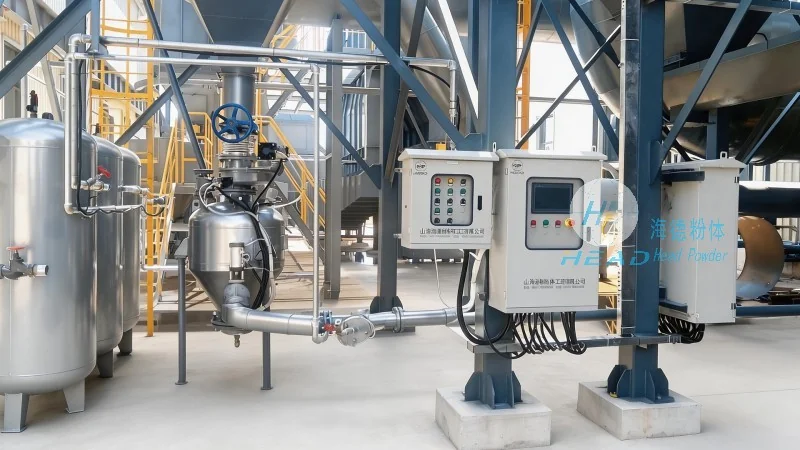
To ensure optimal performance and longevity of PUR conveying systems, several best practices should be followed. Regular maintenance is essential to prevent equipment failure and maintain efficiency. This includes cleaning components, checking for wear and tear, and replacing parts as needed. Proper material handling techniques, such as avoiding overfilling hoppers or containers, can prevent blockages and ensure smooth flow. Additionally, monitoring system performance through sensors and data logging helps identify potential issues early and optimize operation. At Shandong HeadPowder Engineering Co., Ltd., professionals recommend conducting periodic inspections and performance tests to ensure the conveying system meets operational requirements. Training operators on proper system operation and safety protocols is also crucial to prevent accidents and maintain productivity. Implementing these best practices not only enhances the efficiency of PUR conveying but also extends the lifespan of the equipment, reducing long-term costs.
Conclusion
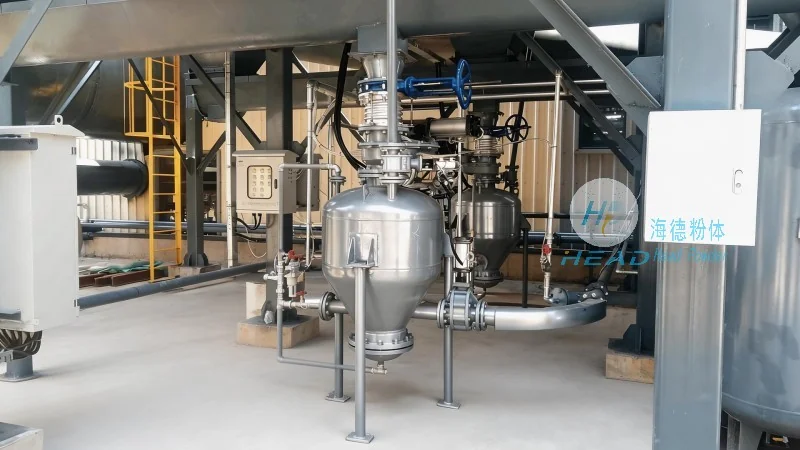
In conclusion, the choice of PUR conveying method is a critical decision that impacts the overall efficiency and success of industrial operations. By understanding the material properties, production scale, and operational environment, manufacturers can select the most suitable conveying approach. Shandong HeadPowder Engineering Co., Ltd. provides comprehensive solutions and expertise to help businesses optimize their PUR conveying processes. Whether using mechanical, gravity, or vacuum systems, proper implementation and maintenance are key to achieving reliable and efficient material transport. With the right approach, PUR conveying can significantly improve productivity and ensure the quality of the final product.

 Công ty TNHH Kỹ thuật Công trình Bột Hải Đức Sơn Đông
 156-6277-7102(Quản lý Trương)
  0531-83386006
  Quận Chương Khâu, Thành phố Tế Nam, Tỉnh Sơn Đông, Trung Quốc
Điện thoại
WeChatTư vấn
Lên đầu