Công ty Hải Đức Bột với hơn 10 năm kinh nghiệm vận chuyển khí, cung cấp hệ thống‑thiết bị‑quạt gió và nhận dự án tổng thầu bột cả nước
Bauxite, the primary ore of aluminum, is a vital raw material in the global aluminum industry. The efficient transport of bauxite from mining sites to processing facilities is crucial for maintaining supply chain stability and optimizing production costs. As a leading engineering solutions provider, Shandong HeadPowder Engineering Co., Ltd., commonly known as HeadPowder, specializes in developing tailored transport solutions for bauxite and other bulk materials. This article explores the various methods used for bauxite transport, highlighting the key factors that influence the selection of each approach.
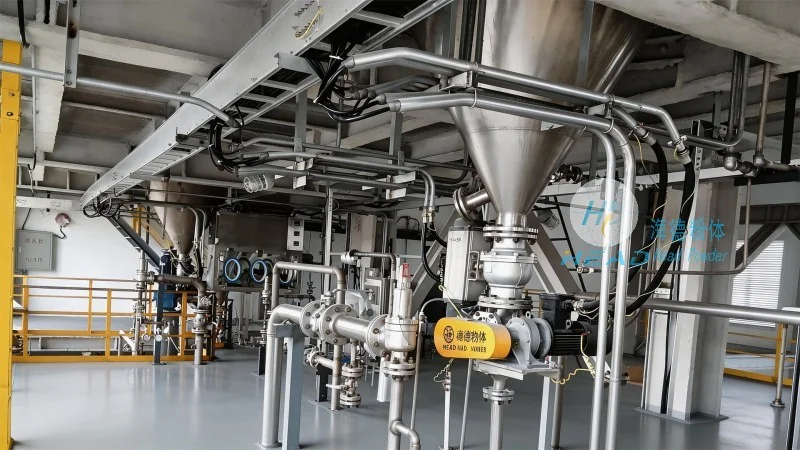
Company Background: HeadPowder Engineering
HeadPowder Engineering, headquartered in Shandong, China, is a reputable company dedicated to providing innovative engineering services for bulk material handling and transport. With years of experience in the industry, HeadPowder has established itself as a trusted partner for clients seeking reliable solutions for bauxite and other industrial minerals. The company's expertise lies in designing and implementing efficient transport systems that meet the specific needs of each project, ensuring optimal performance and cost-effectiveness.
Key Factors Influencing Bauxite Transport Methods
The choice of bauxite transport method depends on several factors, including the distance between the mine and processing plant, the volume of material to be transported, the terrain and infrastructure available, and the cost considerations. Each method has its own advantages and limitations, making it crucial to evaluate these factors carefully before selecting the most suitable option.
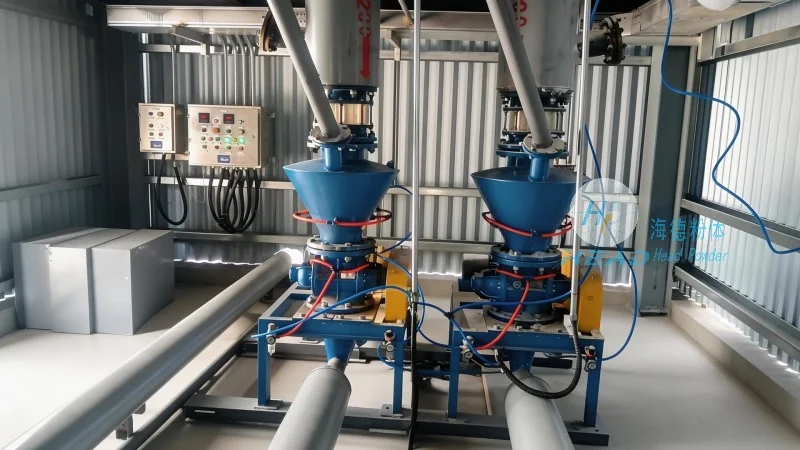
Railway Transport: A Reliable Bulk Solution
Railway transport is one of the most common methods for bauxite transport, particularly for long-distance and large-scale operations. This method involves loading bauxite into specialized railcars, which are then transported to the processing facilities. The advantages of railway transport include high capacity, low operating costs per ton-mile, and the ability to handle large volumes of material efficiently. However, railway transport requires significant infrastructure investment, including rail lines and loading/unloading facilities, and may not be feasible in areas with limited rail access.
Truck Transport: Flexibility and Accessibility
Truck transport offers flexibility and accessibility, making it suitable for shorter distances and smaller volumes of bauxite. Trucks can reach remote mining sites and processing plants that are not connected by rail or waterways. This method provides quick turnaround times and the ability to adjust transport schedules based on demand. However, truck transport is generally more expensive per ton-mile compared to railway transport and may face traffic congestion and road maintenance issues.
Waterway Transport: Cost-Effective for Long Distances
Waterway transport, including barge and ship transport, is a cost-effective option for transporting bauxite over long distances, especially when the mine and processing plant are located near a river or sea. This method allows for the movement of large volumes of material at a lower cost per ton-mile compared to truck or railway transport. However, waterway transport is subject to weather conditions and may require additional infrastructure such as ports and terminals.
Pipeline Transport: Emerging Technology for Bulk Materials
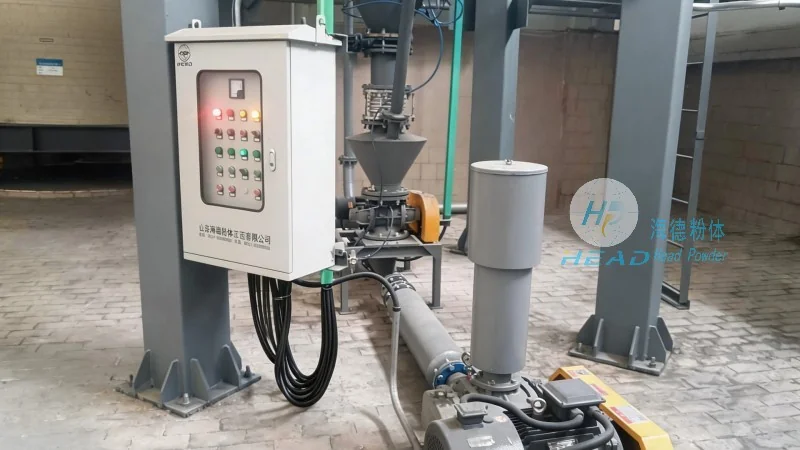
Pipeline transport is an emerging technology for bauxite transport, particularly for high-volume and continuous operations. This method involves pumping bauxite slurry or fine particles through pipelines under pressure. The advantages of pipeline transport include high capacity, low operating costs, and the ability to transport material over long distances without the need for intermediate handling. However, pipeline transport requires significant capital investment for pipeline construction and may not be feasible for all bauxite types or mining sites.
Other Transport Methods: Specialized Solutions
In addition to the primary methods mentioned above, other transport options may be used for bauxite, depending on the specific project requirements. These include conveyor belts for short-distance transport within mining sites or processing plants, and specialized equipment such as hopper trucks for handling oversized or irregularly shaped bauxite loads. Each of these methods has its own unique advantages and limitations, and the selection depends on the specific needs of the operation.
Conclusion: Choosing the Right Bauxite Transport Method
Selecting the appropriate bauxite transport method is a critical decision that impacts the overall efficiency and cost of the supply chain. By considering factors such as distance, volume, terrain, and cost, companies can choose the most suitable method for their operations. Shandong HeadPowder Engineering Co., Ltd. offers comprehensive engineering solutions to help clients evaluate and implement the most effective bauxite transport methods, ensuring optimal performance and long-term success in the aluminum industry.

 Công ty TNHH Kỹ thuật Công trình Bột Hải Đức Sơn Đông
 156-6277-7102(Quản lý Trương)
  0531-83386006
  Quận Chương Khâu, Thành phố Tế Nam, Tỉnh Sơn Đông, Trung Quốc
Điện thoại
WeChatTư vấn
Lên đầu