Công ty Hải Đức Bột với hơn 10 năm kinh nghiệm vận chuyển khí, cung cấp hệ thống‑thiết bị‑quạt gió và nhận dự án tổng thầu bột cả nước
Edible salt, a fundamental ingredient in food production and preservation, requires efficient and reliable transportation to reach various industries and consumers. The methods used for transporting edible salt vary based on factors such as quantity, destination, and the form of the salt (e.g., bulk or packaged). This article explores the primary methods employed by Shandong HeadPowder Engineering Co., Ltd. to ensure safe and effective delivery of edible salt.
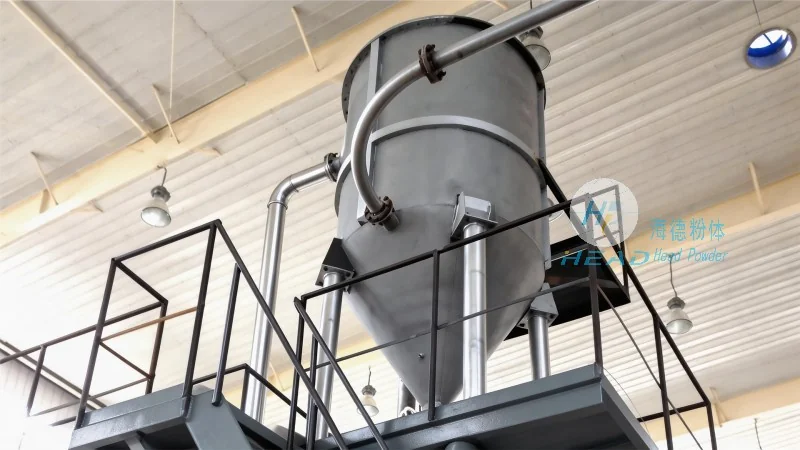
Key Information About the Company
Shandong HeadPowder Engineering Co., Ltd., commonly known as HeadPowder, is a leading provider of engineering solutions for the food and chemical industries. With its headquarters located in Shandong, China, the company specializes in designing and implementing systems for the transportation and handling of bulk materials, including edible salt. HeadPowder’s expertise in material handling and process engineering ensures that edible salt is transported with minimal risk of contamination and loss.
Common Methods for Edible Salt Transportation
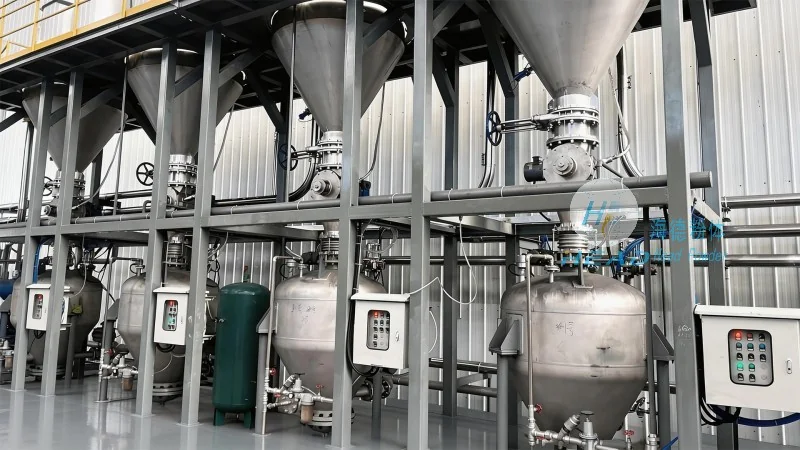
There are several established methods for transporting edible salt, each suited to different operational needs. The most common approaches include bulk transportation via pipelines, trucks, and rail, as well as packaged delivery for smaller quantities. Each method has its advantages and is chosen based on the specific requirements of the client and the distance of the delivery.
Bulk Transportation via Pipelines
For large-scale operations, transporting edible salt through pipelines is a highly efficient method. This approach involves pumping the salt through a network of pipes, which can be laid underground or above ground. The pipeline system is designed to maintain the salt’s purity and prevent contamination, ensuring that it remains in its original state until it reaches the processing facility or storage site. HeadPowder specializes in the design and installation of pipeline systems tailored to the unique needs of edible salt transportation, incorporating features such as corrosion-resistant materials and automated flow control to optimize performance.
Truck Transportation
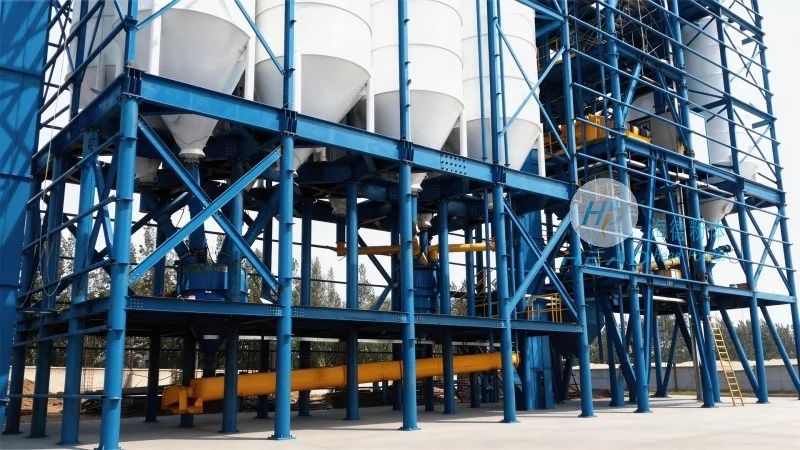
Truck transportation is a versatile and widely used method for moving edible salt, especially for shorter distances or when the salt is in bulk form. Trucks equipped with specialized trailers, such as hopper trucks or tank trucks, are used to transport the salt. These vehicles are designed to maintain the salt’s quality by preventing moisture absorption and ensuring proper ventilation. HeadPowder’s team of engineers works closely with clients to determine the most suitable trucking solutions, considering factors like delivery schedules, route optimization, and compliance with local regulations. The company’s expertise in logistics planning ensures that edible salt is delivered on time and in optimal condition.
Rail Transportation
For long-distance transportation of edible salt, rail is often the most cost-effective option. Railcars specifically designed for bulk cargo, such as hopper cars or covered wagons, are used to transport large quantities of salt. This method is particularly advantageous for companies with multiple facilities spread across a wide geographic area, as it reduces transportation costs and minimizes the environmental impact compared to road transport. HeadPowder’s experience in integrating rail systems with existing operations allows for seamless coordination between production sites and distribution centers, ensuring that edible salt reaches its destination efficiently and reliably.
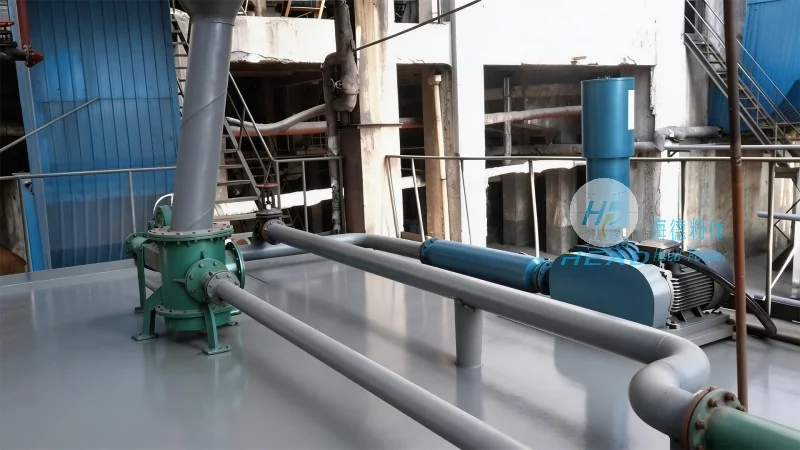
Packaged Transportation
For smaller quantities or when the salt is intended for retail or specialty use, packaged transportation is employed. This method involves loading the edible salt into containers such as bags, boxes, or drums, which are then transported by truck or other means. The packaging is designed to protect the salt from moisture, dust, and other contaminants, ensuring that it remains fresh and suitable for its intended purpose. HeadPowder provides packaging solutions tailored to the specific needs of edible salt, including high-quality materials that meet food safety standards. The company’s focus on quality control ensures that each package is inspected before shipment, minimizing the risk of product damage or contamination.
Factors Influencing the Choice of Transportation Method
The choice of edible salt transportation method depends on several key factors, including the quantity of salt to be transported, the distance between the source and destination, the form of the salt (bulk or packaged), and the budget available for transportation. For example, bulk pipelines are ideal for large-scale industrial operations where high volumes of salt are required, while truck or rail transport may be more suitable for medium to large quantities over longer distances. Packaged delivery is typically used for smaller, retail-oriented shipments. HeadPowder’s engineers assess these factors to recommend the most efficient and cost-effective transportation solution for each client, ensuring that the edible salt is delivered safely and on schedule.

 Công ty TNHH Kỹ thuật Công trình Bột Hải Đức Sơn Đông
 156-6277-7102(Quản lý Trương)
  0531-83386006
  Quận Chương Khâu, Thành phố Tế Nam, Tỉnh Sơn Đông, Trung Quốc
Điện thoại
WeChatTư vấn
Lên đầu