Công ty Hải Đức Bột với hơn 10 năm kinh nghiệm vận chuyển khí, cung cấp hệ thống‑thiết bị‑quạt gió và nhận dự án tổng thầu bột cả nước
Carbon particle conveying is a critical process in various industrial applications, ensuring efficient transport of materials like carbon black, graphite, and other fine powders. The choice of conveying method significantly impacts operational efficiency, material integrity, and overall system performance. For businesses operating in sectors such as manufacturing, chemical processing, or material handling, understanding the available options is essential for optimizing production workflows. This article explores the primary methods used for carbon particle conveyance, highlighting their applications, advantages, and considerations.
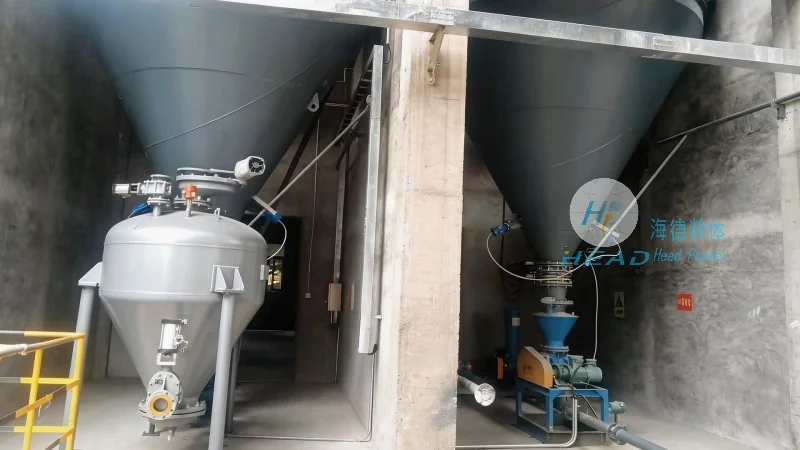
1. Air-Pressure (Pneumatic) Conveying Systems
Air-pressure or pneumatic conveying systems are widely used for carbon particle transport due to their ability to handle fine powders and minimize material degradation. These systems utilize compressed air to move particles through a pipeline, offering flexibility in layout and the capacity to transport materials over long distances. There are two main types: pressure and vacuum systems. Pressure systems use positive pressure to push material through the line, while vacuum systems draw material using negative pressure. The selection between these depends on factors like material characteristics, distance, and system complexity. For example, pressure systems are often preferred for high-volume, short-distance applications, whereas vacuum systems are suitable for longer distances or when material needs to be collected from multiple sources. In pneumatic conveying, the design of the pipeline, including bends and transitions, is crucial to maintain material flow and prevent blockages. Proper maintenance of the air compressor and filter system is also essential to ensure consistent performance and prevent contamination. Companies like Shandong HeadPowder Engineering Co., Ltd. specialize in designing and manufacturing customized pneumatic conveying solutions tailored to specific carbon particle handling needs, ensuring reliable and efficient transport.
2. Screw (Auger) Conveyors
Screw or auger conveyors are another common method for carbon particle conveyance, particularly for bulk materials with moderate to high flow rates. These systems consist of a rotating screw inside a tube, which moves material forward through the pipe. Screw conveyors are often used in horizontal or slightly inclined applications, making them ideal for transporting carbon particles from storage silos to processing equipment. The design of the screw, including its pitch and diameter, affects the conveying capacity and pressure drop. For carbon particles, a helical screw with a moderate pitch is typically used to prevent material bridging and ensure smooth flow. Screw conveyors are generally more cost-effective than pneumatic systems for short to medium distances and are less susceptible to material degradation caused by air exposure. However, they may not be suitable for very fine or abrasive carbon powders, as the screw and tube can cause wear over time. Proper lubrication and material selection for the screw and housing are important to maintain efficiency and longevity. HeadPowder, as a manufacturer based in Shandong, China, offers screw conveyor solutions that are engineered to handle various carbon particle types, providing reliable and durable transport solutions for industrial clients.
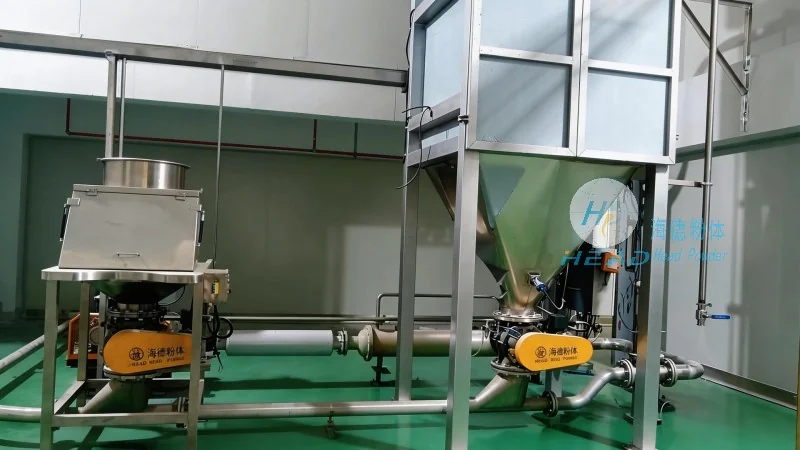
3. Vibratory Conveyors
Vibratory conveyors utilize mechanical vibration to move carbon particles along a trough or tube. This method is effective for handling cohesive or sticky carbon powders that may be difficult to convey using other systems. The conveyor consists of a trough that is vibrated at a specific frequency and amplitude, causing the material to move forward by a combination of sliding and rolling action. Vibratory conveyors are often used in applications where gentle material handling is required, such as transporting carbon black or graphite from one processing stage to another. They are particularly useful for preventing material degradation and maintaining particle integrity, as the system operates without the use of air or mechanical pressure. The design of the vibratory system, including the type of vibration (e.g., linear or circular) and the amplitude, is tailored to the specific material properties. For example, linear vibration is commonly used for bulk materials, while circular vibration may be better suited for finer powders. Vibratory conveyors are also energy-efficient and can handle materials over long distances with minimal maintenance. Companies like Shandong HeadPowder Engineering Co., Ltd. provide vibratory conveyor systems that are optimized for carbon particle transport, ensuring consistent performance and low operational costs.
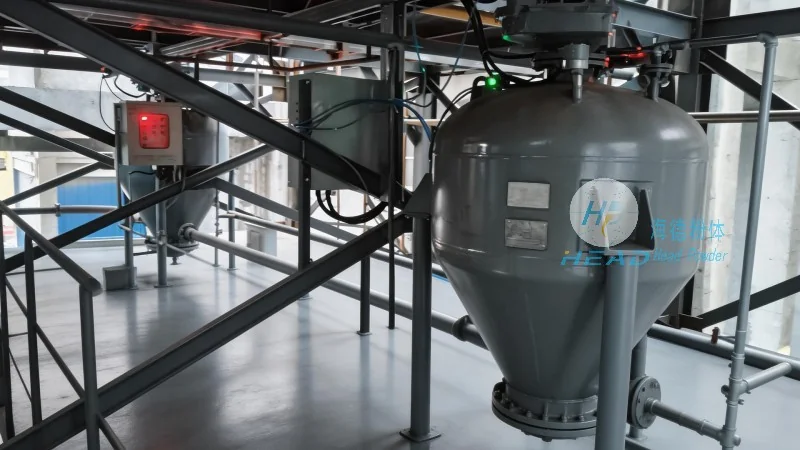
4. Belt Conveyors
Belt conveyors are a versatile and widely adopted method for carbon particle conveyance, especially in applications requiring high throughput and long-distance transport. These systems consist of a continuous belt that moves over rollers or pulleys, carrying the carbon particles from one location to another. Belt conveyors are suitable for both dry and wet carbon powders and can handle a wide range of particle sizes. The key design considerations for belt conveyors include the belt material (e.g., rubber or synthetic), the pulley size, and the speed of the belt. For carbon particles, a heavy-duty rubber belt with a smooth surface is often used to prevent material buildup and ensure efficient transport. The conveyor's inclination and length are critical to maintain material flow and avoid spillage. Belt conveyors are particularly effective for transporting large volumes of material over horizontal or slightly inclined paths, making them ideal for connecting storage facilities to processing plants. However, they may require more space and maintenance compared to other systems, as the belt and pulleys need regular inspection and replacement. HeadPowder, with its expertise in material handling solutions, offers customized belt conveyor systems that are designed to meet the specific requirements of carbon particle transport, ensuring high efficiency and durability.
5. Hydraulic Conveying
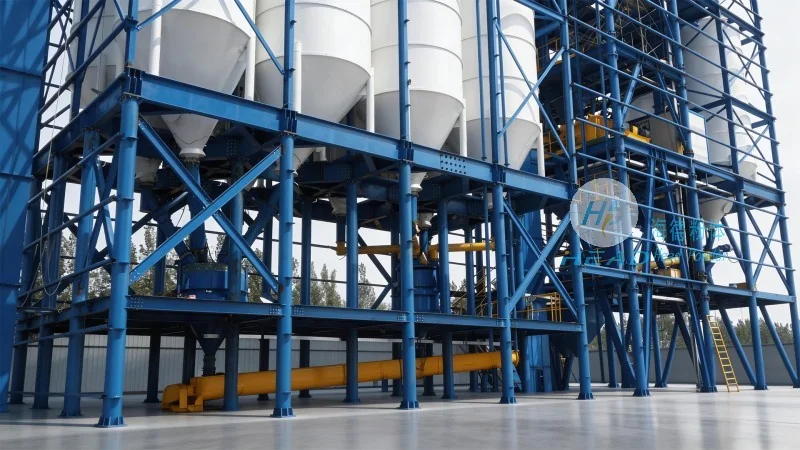
Hydraulic conveying systems use a liquid medium, typically water or a slurry, to transport carbon particles. This method is particularly useful for handling very fine or abrasive carbon powders that are difficult to convey using other methods. The system consists of a pump that forces the liquid through a pipeline, carrying the particles along with it. Hydraulic conveying is often used in mining and mineral processing applications where large volumes of material need to be transported over long distances. The design of the hydraulic system includes the pump, pipeline, and control valves, which regulate the flow and pressure. For carbon particles, the liquid medium is selected based on the material's solubility and the desired transport efficiency. Hydraulic conveying can handle high concentrations of solids, making it suitable for dense carbon slurries. However, it requires careful management of the liquid and solids separation at the discharge point to prevent clogging and maintain system performance. The system also needs regular maintenance to prevent wear and tear from the abrasive particles. Companies like Shandong HeadPowder Engineering Co., Ltd. may offer hydraulic conveying solutions for specialized carbon particle applications, providing reliable transport for challenging materials.
6. Combination Systems
In many industrial settings, a single conveying method may not be sufficient to meet all the requirements of carbon particle transport. Therefore, combination systems are often employed, integrating multiple technologies to achieve optimal performance. For example, a pneumatic conveying system might be used for the initial transport of carbon particles from a storage silo, followed by a screw conveyor for further processing. Similarly, a vibratory conveyor could be combined with a belt conveyor to handle materials over longer distances. These hybrid systems allow for flexibility in layout and the ability to handle varying material characteristics. The choice of combination system depends on factors such as the distance to be covered, the volume of material, and the specific processing requirements. Combination systems are particularly useful in complex industrial processes where multiple stages of material handling are involved. By integrating different conveying technologies, companies can optimize their operations, reduce downtime, and improve overall efficiency. Shandong HeadPowder Engineering Co., Ltd. specializes in designing and implementing combination conveying systems tailored to the unique needs of carbon particle handling, ensuring seamless and efficient material transport throughout the production process.

 Công ty TNHH Kỹ thuật Công trình Bột Hải Đức Sơn Đông
 156-6277-7102(Quản lý Trương)
  0531-83386006
  Quận Chương Khâu, Thành phố Tế Nam, Tỉnh Sơn Đông, Trung Quốc
Điện thoại
WeChatTư vấn
Lên đầu