Công ty Hải Đức Bột với hơn 10 năm kinh nghiệm vận chuyển khí, cung cấp hệ thống‑thiết bị‑quạt gió và nhận dự án tổng thầu bột cả nước
When it comes to transporting grain and other bulk materials efficiently, various methods are employed across industries. Understanding these methods is crucial for optimizing operations, ensuring safety, and maintaining product quality. This article explores the primary methods of grain bulk material conveying, highlighting the technologies and applications that make them suitable for different scenarios.
1. Screw Conveyors: The Traditional Choice for Horizontal and Inclined Transport
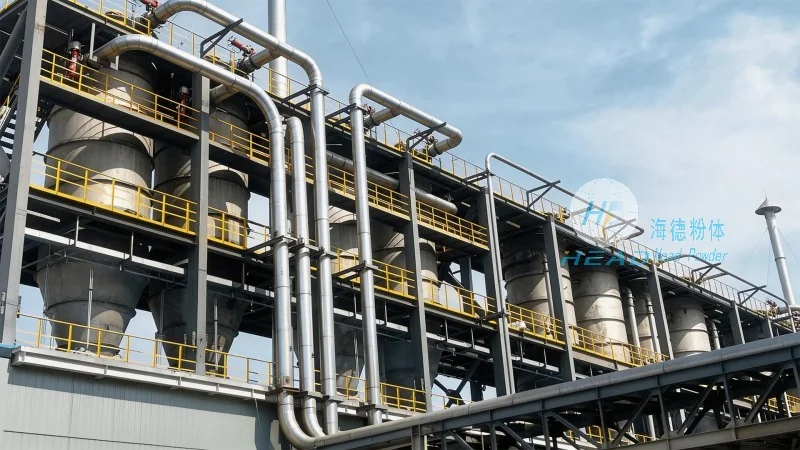
Screw conveyors, also known as auger conveyors, are among the most common equipment for moving grain and similar bulk materials. These systems consist of a rotating helical screw blade inside a trough or tube. As the screw rotates, it pushes material forward, allowing for both horizontal and inclined transport. Screw conveyors are particularly effective for transporting materials with moderate to high bulk density, such as wheat, corn, and soybeans. They are widely used in storage facilities, processing plants, and feed mills due to their simplicity, low maintenance requirements, and ability to handle a wide range of grain types. The design of screw conveyors can be customized to suit specific operational needs, including varying lengths, diameters, and trough angles, making them versatile for different applications.
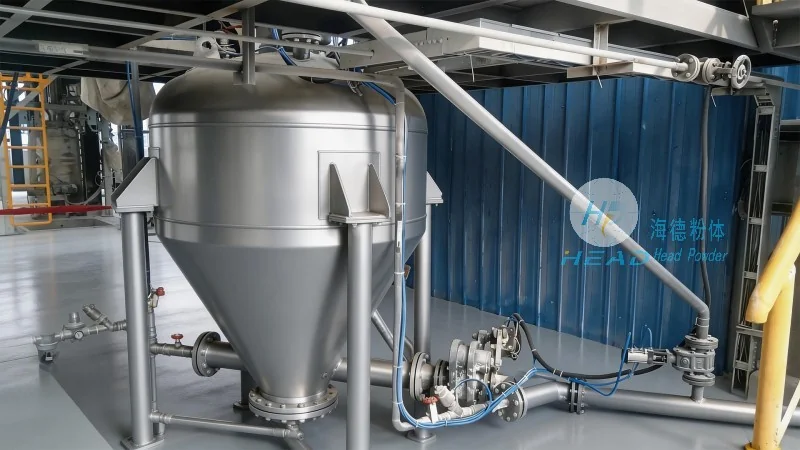
2. Pneumatic Conveying Systems: Efficient for Long-Distance and High-Volume Transport
Pneumatic conveying systems use air or other gases to transport bulk materials through a pipeline. This method is ideal for long-distance transport, high-volume handling, and applications where dust control is a priority. There are two main types of pneumatic conveying: pressure and vacuum. Pressure systems force air and material through the pipeline, while vacuum systems draw material into the system using a vacuum pump. Pneumatic conveyors are commonly used in grain handling, where they can transport materials from storage silos to processing lines or from one facility to another. These systems are particularly effective for transporting fine powders and granular materials, as they can maintain product integrity and minimize spillage. However, they require careful design to ensure efficient material flow and prevent blockages, which may involve selecting appropriate air velocities and pipeline diameters.
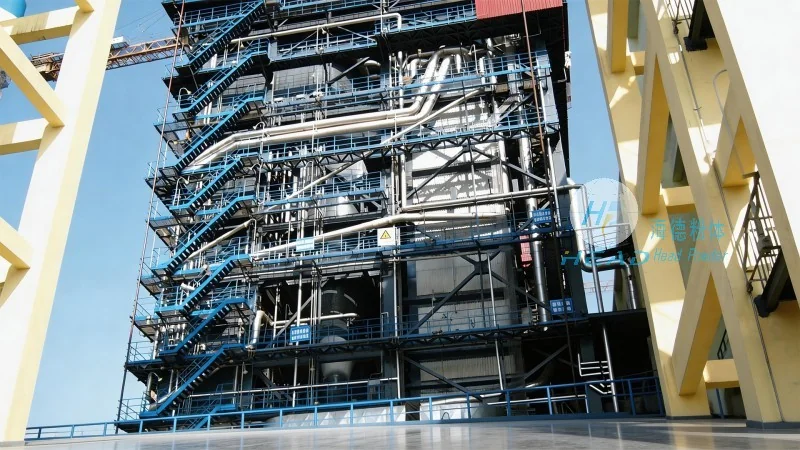
3. Belt Conveyors: Versatile for Bulk Material Handling in Various Industries
Belt conveyors are another widely used method for grain bulk material conveying. These systems consist of a continuous belt that moves over rollers or pulleys, transporting material from one point to another. Belt conveyors are highly versatile and can handle a wide range of materials, including grains, seeds, and other bulk products. They are commonly used in agricultural and food processing industries for tasks such as loading and unloading trucks, moving grain from storage to processing equipment, and transporting finished products. Belt conveyors can be designed for both horizontal and inclined transport, with adjustable speeds and capacities to meet specific operational requirements. Their durability and ability to handle heavy loads make them suitable for continuous operation in industrial settings. Additionally, belt conveyors can be equipped with accessories like idlers, cleaners, and safety guards to enhance performance and safety.
4. Bucket Elevators: Vertical Transport for Efficient Grain Handling
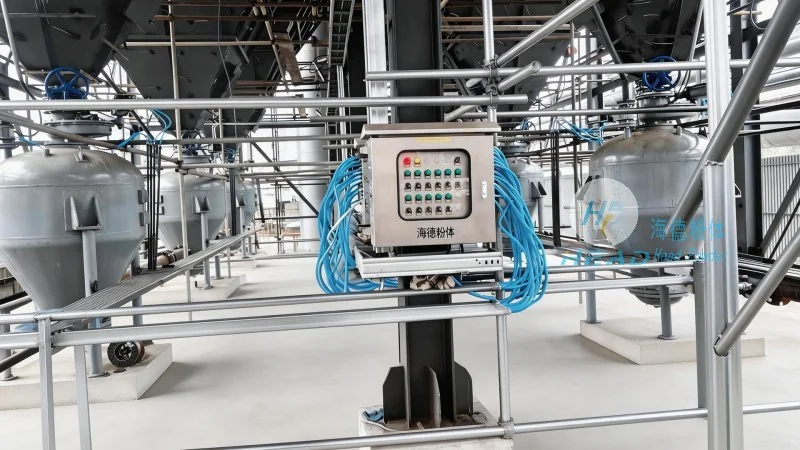
Bucket elevators are specialized equipment designed for vertical transport of bulk materials, including grains. These systems consist of a continuous chain with attached buckets that move vertically within a casing. As the chain rotates, the buckets scoop up material from a lower level and transport it to a higher level, where the material is discharged. Bucket elevators are highly efficient for vertical transport, as they can move large volumes of material with minimal space requirements. They are commonly used in grain storage and processing facilities to move grain from ground level to silos or processing lines. The design of bucket elevators can be customized to handle different grain types and capacities, with options for varying bucket sizes, chain speeds, and casing dimensions. These systems are known for their reliability and ability to handle heavy loads, making them a preferred choice for vertical grain transport in many industries.
5. Vibrating Conveyors: Gentle and Efficient for Sensitive Materials
Vibrating conveyors use vibration to move bulk materials along a trough. These systems consist of a conveyor bed that vibrates at a specific frequency and amplitude, causing the material to move forward. Vibrating conveyors are particularly suitable for transporting sensitive materials, such as flour, fine powders, and delicate grains, as they minimize product degradation and damage. They are also effective for handling materials with high moisture content or sticky properties, as the vibration helps prevent material buildup and blockages. Vibrating conveyors are commonly used in food processing and pharmaceutical industries, where product quality and safety are paramount. The design of vibrating conveyors can be adjusted to suit different material characteristics, including varying vibration frequencies, trough angles, and material feed rates. These systems are known for their gentle handling and ability to maintain product integrity during transport.

 Công ty TNHH Kỹ thuật Công trình Bột Hải Đức Sơn Đông
 156-6277-7102(Quản lý Trương)
  0531-83386006
  Quận Chương Khâu, Thành phố Tế Nam, Tỉnh Sơn Đông, Trung Quốc
Điện thoại
WeChatTư vấn
Lên đầu