Công ty Hải Đức Bột với hơn 10 năm kinh nghiệm vận chuyển khí, cung cấp hệ thống‑thiết bị‑quạt gió và nhận dự án tổng thầu bột cả nước
When it comes to the efficient and reliable transport of paint, various methods are employed across industries to ensure optimal performance and safety. Understanding these common approaches is crucial for selecting the right system for specific applications. This article explores several widely used methods for paint delivery, highlighting their features, advantages, and typical applications.
1. Pneumatic Conveying Systems
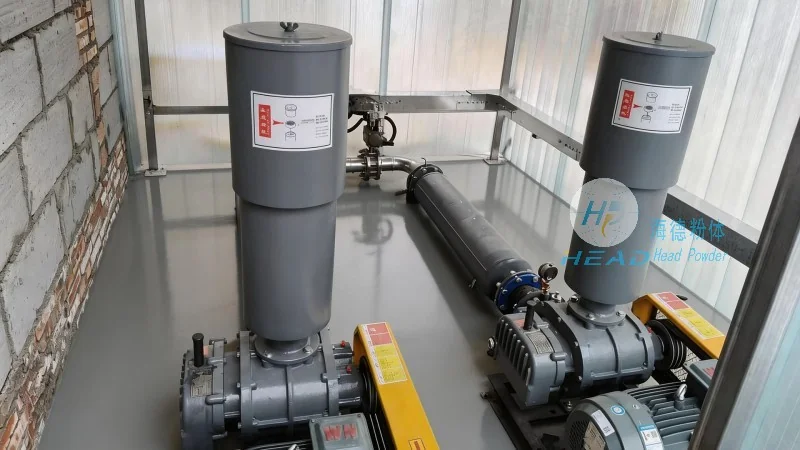
Pneumatic conveying systems are among the most common methods for transporting powders, including paint pigments and additives. These systems utilize air pressure or vacuum to move materials through a network of pipes. There are two main types: pressure and vacuum systems. Pressure systems use compressed air to push material forward, while vacuum systems use a vacuum to draw material into the system. Pneumatic conveyors are known for their ability to handle fine powders without the need for mechanical components that might cause contamination or wear. They are widely used in the paint industry for transferring raw materials from storage to processing equipment. The efficiency of pneumatic systems depends on factors such as the material's flowability, particle size, and the system's design, including the type of air nozzles and pipeline layout. Proper maintenance, including regular cleaning and filter changes, is essential to prevent clogging and ensure consistent performance.
2. Screw Conveyors
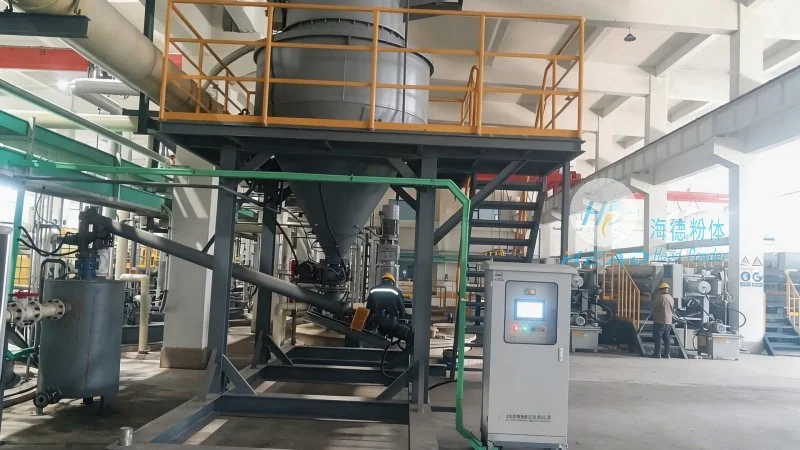
Screw conveyors, also known as auger conveyors, are another popular method for transporting bulk materials like paint powders. These systems consist of a rotating screw (auger) inside a trough or tube, which moves material along the length of the conveyor. Screw conveyors are particularly effective for handling free-flowing powders and can be used in both horizontal and inclined configurations. They are often chosen for their simplicity, low maintenance requirements, and ability to handle a wide range of materials without the need for additional components like air or vacuum systems. The speed and angle of the screw can be adjusted to control the flow rate and prevent material buildup. However, screw conveyors may not be suitable for very fine or cohesive powders, as they can lead to blockages or increased wear on the screw and trough. Regular inspection of the screw and trough for wear and corrosion is recommended to maintain optimal performance.
3. Belt Conveyors
Belt conveyors are commonly used in paint manufacturing facilities for transporting larger quantities of materials, such as bulk paint or intermediate products. These systems use a continuous belt that moves over rollers or a flat surface to transport materials from one location to another. Belt conveyors are highly efficient for horizontal and slightly inclined transport and can handle a wide variety of materials, including wet or sticky substances. They are often equipped with loading and unloading mechanisms, such as hoppers and chutes, to facilitate the transfer of materials. The speed and capacity of belt conveyors can be adjusted by changing the belt speed or the width of the belt. However, belt conveyors require regular maintenance to ensure the belt remains in good condition and to prevent slippage or material spillage. Proper alignment and tensioning of the belt are critical to avoid damage and maintain consistent performance.
4. Bucket Elevators
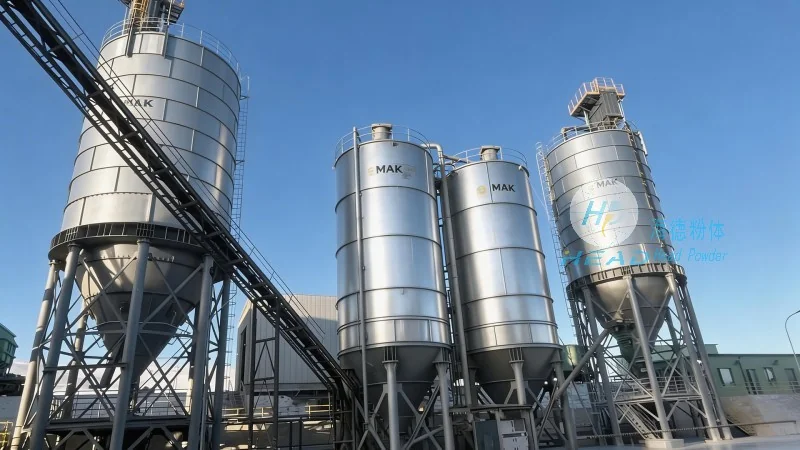
Bucket elevators are used for vertical or inclined transport of paint powders, especially in applications where the material needs to be lifted to a higher level. These systems consist of a series of buckets attached to a belt or chain that moves vertically or at an angle. The buckets are filled with material at the bottom and then lifted to the top, where the material is discharged. Bucket elevators are known for their high capacity and ability to handle large volumes of material efficiently. They are commonly used in paint production lines to transport raw materials from storage silos to processing equipment located at different levels. The design of the buckets and the speed of the conveyor can be adjusted to suit the specific material being transported. Regular inspection of the buckets and the drive system is essential to prevent wear and ensure safe operation. Proper lubrication and alignment of the drive components are also important to maintain the system's performance.
5. Hydraulic Conveying Systems
Hydraulic conveying systems use fluid pressure to transport paint powders, particularly in applications where the material is sensitive to air exposure or where high pressure is required. These systems consist of a pump that circulates a fluid (such as water or oil) through a pipeline, which carries the powder along with it. The fluid and powder are then separated at the end of the pipeline, typically using a cyclone or a filter. Hydraulic systems are often used for transporting fine powders that are prone to caking or for materials that need to be handled gently to avoid degradation. They are also suitable for long-distance transport and can handle high volumes of material. However, hydraulic systems require careful monitoring of fluid levels and pressure to prevent leaks or system failures. Regular maintenance of the pump and pipeline is necessary to ensure the system operates smoothly and efficiently.
Each of these paint delivery methods has its own advantages and limitations, and the choice of system depends on factors such as the type of material, the required capacity, the distance to be covered, and the specific requirements of the application. By understanding the characteristics of each method, manufacturers can select the most appropriate paint delivery system to ensure efficient production, minimize downtime, and maintain product quality. Regular maintenance and proper operation of the chosen system are essential to achieve optimal performance and extend the system's lifespan.

 Công ty TNHH Kỹ thuật Công trình Bột Hải Đức Sơn Đông
 156-6277-7102(Quản lý Trương)
  0531-83386006
  Quận Chương Khâu, Thành phố Tế Nam, Tỉnh Sơn Đông, Trung Quốc
Điện thoại
WeChatTư vấn
Lên đầu