Công ty Hải Đức Bột với hơn 10 năm kinh nghiệm vận chuyển khí, cung cấp hệ thống‑thiết bị‑quạt gió và nhận dự án tổng thầu bột cả nước
When it comes to the efficient handling and transportation of fiber materials in industrial settings, understanding the various methods of fiber conveyance is crucial. These techniques not only enhance operational efficiency but also ensure the integrity and quality of the fibers being processed. In this article, we explore some of the most common methods used for fiber conveyance, providing insights into their applications and benefits.
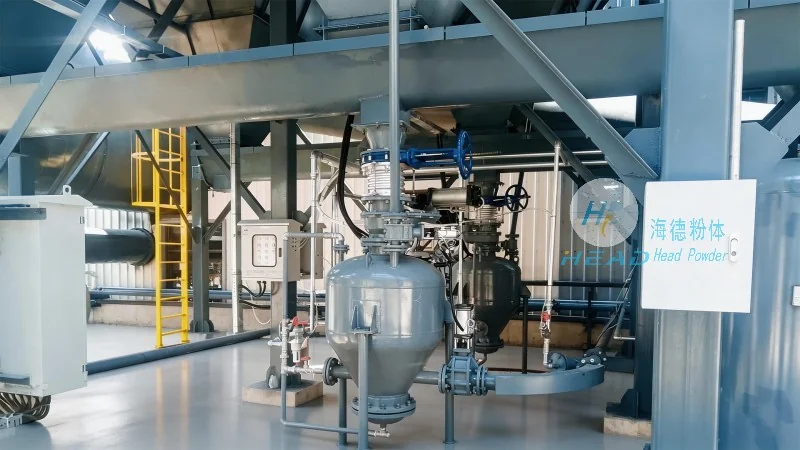
1. Pneumatic Conveying Systems
Pneumatic conveying is a widely used method for transporting bulk fiber materials. This technique utilizes air pressure to move fibers through a pipeline system. There are two main types of pneumatic conveying: pressure and vacuum systems. Pressure systems use compressed air to push the fibers forward, while vacuum systems create a negative pressure to draw the fibers into the system. Pneumatic conveyors are particularly effective for handling fine or dusty fibers, as they can transport materials over long distances with minimal loss. The HeadPowder Engineering Co., Ltd. specializes in designing and manufacturing advanced pneumatic conveying solutions tailored to specific industrial needs, ensuring reliable and efficient fiber transport.
2. Mechanical Conveyors
Mechanical conveyors are another common method for fiber conveyance, relying on mechanical components to move materials. These systems include belt conveyors, screw conveyors, and chain conveyors. Belt conveyors use a continuous belt to transport fibers horizontally or at an incline, making them suitable for both short and long-distance transport. Screw conveyors, also known as augers, use a rotating screw to push fibers forward, ideal for handling dry or free-flowing fibers. Chain conveyors utilize a series of chains with attached buckets or flights to move materials vertically or at an angle. Mechanical conveyors are often preferred for their simplicity and low maintenance requirements, making them a cost-effective solution for many industrial applications.
3. Hydraulic Conveying
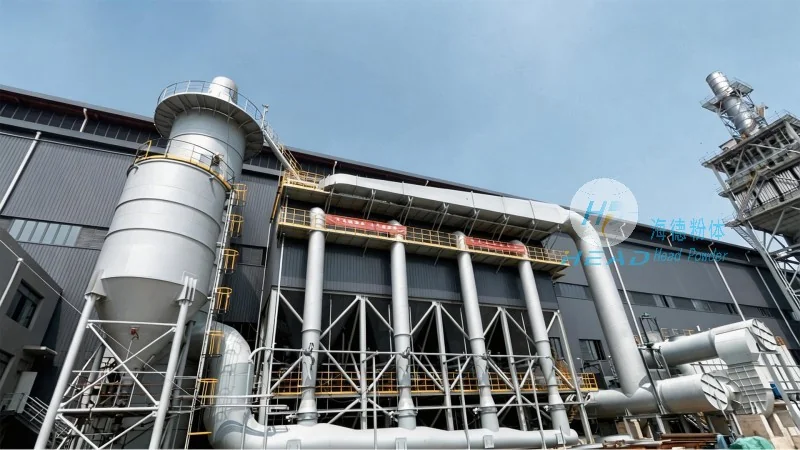
Hydraulic conveying systems use fluid pressure to transport fibers. This method is particularly effective for handling wet or sticky fibers, as the fluid helps to lubricate and move the material through the pipeline. Hydraulic conveyors can operate at high pressures, allowing for the transport of fibers over significant distances with minimal energy consumption. However, they require careful maintenance to prevent fluid leaks and ensure consistent performance. The Shandong HeadPowder Engineering Co., Ltd. offers hydraulic conveying solutions that are designed to handle a wide range of fiber types, providing reliable and efficient transport in demanding environments.
4. Air-Liquid Conveying
Air-liquid conveying combines the principles of pneumatic and hydraulic systems, using a mixture of air and liquid to transport fibers. This method is particularly useful for handling fibers that are difficult to convey using either pneumatic or hydraulic systems alone. The mixture helps to reduce friction and improve the flow of the material through the pipeline. Air-liquid conveyors are often used in applications where both dry and wet fiber handling is required, offering a versatile solution for industrial processes. The HeadPowder Engineering Co., Ltd. specializes in developing air-liquid conveying systems that are tailored to specific customer requirements, ensuring optimal performance and efficiency.
5. Vibratory Conveyors
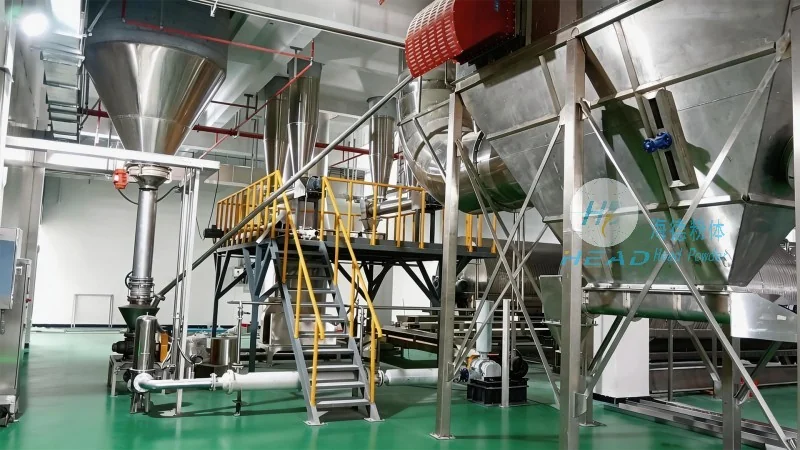
Vibratory conveyors use vibration to move fibers along a conveyor bed. These systems are particularly effective for handling bulk materials that are prone to bridging or caking. The vibration helps to break up clumps and ensure consistent flow of the fibers. Vibratory conveyors are often used in applications where gentle handling of the material is required, such as in food processing or pharmaceutical industries. The Shandong HeadPowder Engineering Co., Ltd. provides vibratory conveying solutions that are designed to handle a wide range of fiber types, ensuring reliable and efficient transport while maintaining product quality.
6. Screw Feeders and Dosing Systems
Screw feeders and dosing systems are commonly used for precise metering and feeding of fiber materials. These systems use a rotating screw to control the flow rate of the fibers, ensuring accurate and consistent dosing. Screw feeders are particularly useful in applications where precise control of material flow is critical, such as in chemical processing or manufacturing. The HeadPowder Engineering Co., Ltd. offers a range of screw feeder and dosing systems that are designed to handle various fiber types, providing reliable and efficient feeding solutions for industrial processes.
7. Air Jet and Blower Systems
Air jet and blower systems use high-velocity air to transport fibers in a controlled manner. These systems are often used for short-distance transport or for handling fibers that are difficult to convey using other methods. Air jet systems use a high-pressure jet of air to push the fibers forward, while blower systems use a fan to create a flow of air that moves the material. These systems are particularly effective for handling fine or lightweight fibers, as the air flow helps to keep the material suspended and moving. The Shandong HeadPowder Engineering Co., Ltd. specializes in designing air jet and blower systems that are tailored to specific industrial needs, ensuring reliable and efficient fiber transport.

 Công ty TNHH Kỹ thuật Công trình Bột Hải Đức Sơn Đông
 156-6277-7102(Quản lý Trương)
  0531-83386006
  Quận Chương Khâu, Thành phố Tế Nam, Tỉnh Sơn Đông, Trung Quốc
Điện thoại
WeChatTư vấn
Lên đầu