Công ty Hải Đức Bột với hơn 10 năm kinh nghiệm vận chuyển khí, cung cấp hệ thống‑thiết bị‑quạt gió và nhận dự án tổng thầu bột cả nước
When it comes to transporting limestone, also known as calcium oxide, there are several common methods used in industrial applications. These methods are designed to efficiently move the material from its source to processing or storage areas. The choice of method often depends on factors such as the distance to be covered, the volume of material, the environment, and the specific requirements of the process. In this article, we will explore the most common methods for limestone conveying, highlighting their advantages and typical applications.
1. Pneumatic Conveying Systems
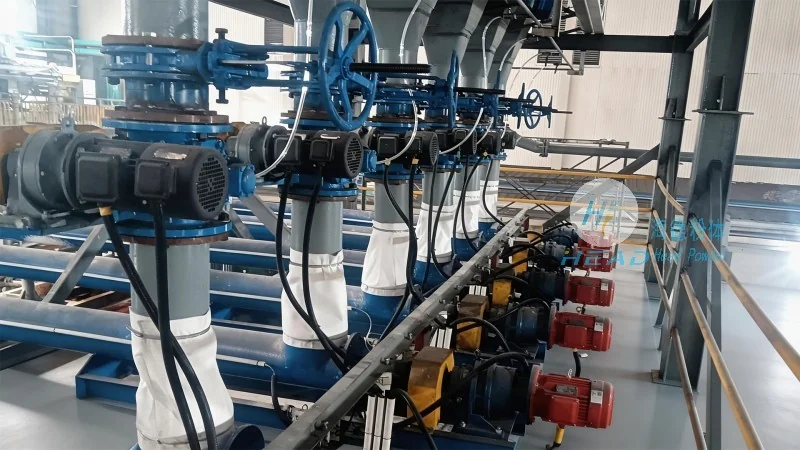
Pneumatic conveying, or air-based transport, is a widely used method for limestone handling. This system uses compressed air to move the material through a pipeline. There are two main types: pressure and vacuum systems. Pressure systems push the material forward using positive pressure, while vacuum systems pull the material through the line using negative pressure. Pneumatic conveying is particularly effective for fine powders and can handle long distances with minimal maintenance. The equipment typically includes a hopper, a rotary valve, a conveying line, and a receiver. This method is ideal for applications where dust control is critical and where the material needs to be transported without contact with other substances.
2. Mechanical Conveying Systems
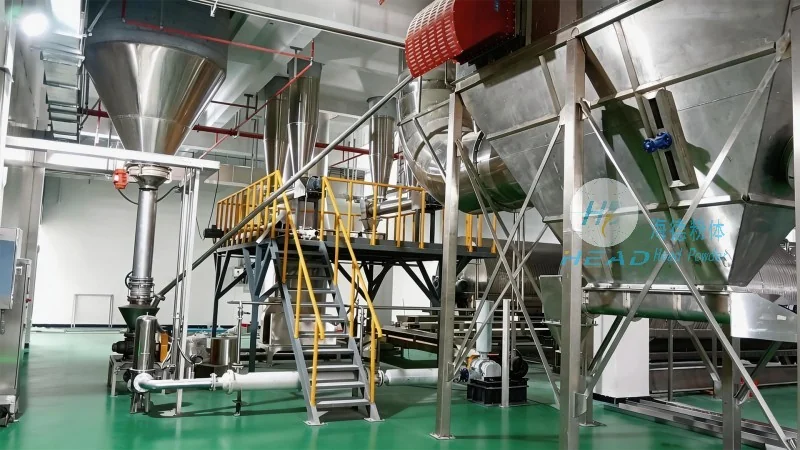
Mechanical conveying systems rely on mechanical components to move limestone. The most common types include belt conveyors, screw conveyors, and bucket elevators. Belt conveyors use a continuous belt to transport material over a series of rollers or idlers. They are suitable for both bulk and fine materials and can cover long horizontal distances. Screw conveyors, also known as augers, use a rotating screw to push material forward. They are compact and can handle a variety of materials, including those with high moisture content. Bucket elevators use a series of buckets attached to a chain or belt to lift material vertically. These systems are efficient for vertical transport and can handle large volumes of material. Mechanical conveyors are generally more cost-effective for short to medium distances and for handling larger lumps of limestone.
3. Hydraulic Conveying Systems
Hydraulic conveying uses water to transport limestone, especially in applications where the material is in a slurry form. The limestone is mixed with water to create a slurry, which is then pumped through pipelines. This method is commonly used in mining and mineral processing operations where the material is extracted from a mine and needs to be transported to a processing plant. Hydraulic conveyors can handle very high volumes of material and are effective for long distances. However, they require a significant amount of water and may need additional equipment for dewatering the material at the end of the line.
4. Screw and Bucket Elevators
While often categorized under mechanical conveying, screw and bucket elevators are worth discussing separately due to their specific design and applications. Screw elevators use a rotating screw to lift material vertically, making them ideal for vertical transport in confined spaces. They are commonly used in small to medium-scale operations and can handle a wide range of materials, including limestone. Bucket elevators, on the other hand, use a series of buckets attached to a chain or belt to transport material vertically. They are more suitable for larger operations and can handle higher volumes of material. Both types of elevators are efficient and reliable, but they require regular maintenance to ensure smooth operation.
5. Combination Systems
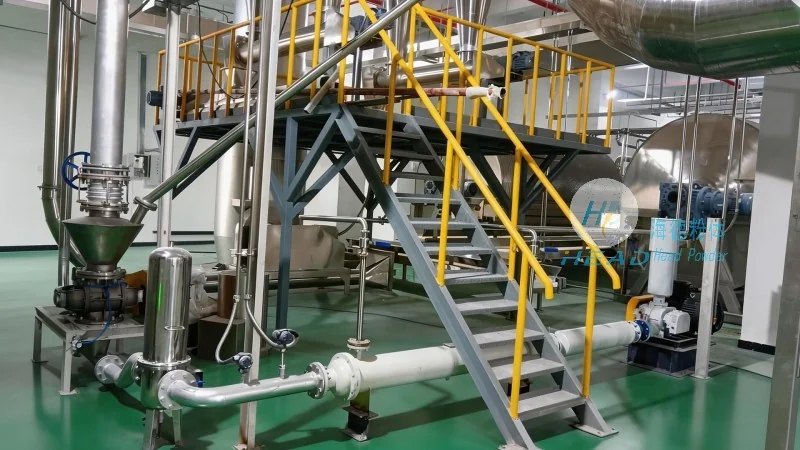
In many industrial settings, a combination of the above methods is used to achieve the best results. For example, a pneumatic system might be used to transport limestone from a storage silo to a processing plant, while a mechanical conveyor is used to move the material within the plant. This combination allows for efficient and flexible material handling. The choice of system depends on the specific needs of the operation, including the distance, volume, and type of material being handled.
Conclusion and Company Overview
Choosing the right limestone conveying method is crucial for the efficiency and safety of industrial operations. Each method has its advantages and is suitable for different applications. Pneumatic systems are ideal for fine powders and long distances, while mechanical systems are more cost-effective for short to medium distances. Hydraulic systems are best for slurry applications. By understanding the specific requirements of your operation, you can select the most appropriate conveying method.
HeadPowder, a leading provider of material handling solutions, specializes in designing and manufacturing customized conveying systems for limestone and other bulk materials. With years of experience in the industry, HeadPowder offers a range of solutions tailored to meet the unique needs of each client. The company is based in Shandong, China, and serves customers worldwide with high-quality equipment and reliable service. Whether you need a pneumatic, mechanical, or hydraulic system, HeadPowder can provide the solution you need to efficiently transport limestone and improve your operational efficiency.

 Công ty TNHH Kỹ thuật Công trình Bột Hải Đức Sơn Đông
 156-6277-7102(Quản lý Trương)
  0531-83386006
  Quận Chương Khâu, Thành phố Tế Nam, Tỉnh Sơn Đông, Trung Quốc
Điện thoại
WeChatTư vấn
Lên đầu