Công ty Hải Đức Bột với hơn 10 năm kinh nghiệm vận chuyển khí, cung cấp hệ thống‑thiết bị‑quạt gió và nhận dự án tổng thầu bột cả nước
When it comes to the efficient handling and transportation of rice husk ash, selecting the right conveying method is crucial for optimizing industrial processes and ensuring operational efficiency. The choice of conveying method depends on factors such as material properties, distance, volume, and the specific requirements of the processing plant. In this article, we will explore the common methods used for rice husk ash conveying, highlighting the advantages and applications of each approach.
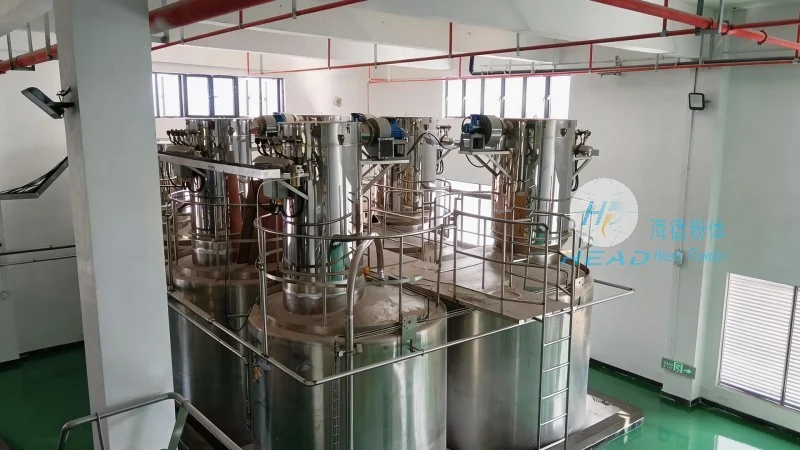
1. Pneumatic Conveying Systems
Pneumatic conveying, also known as air conveying, is a widely used method for transporting rice husk ash due to its flexibility and ability to handle fine or dusty materials. This system operates by using compressed air to move the material through a pipeline. There are two main types of pneumatic conveying: pressure and vacuum systems. Pressure systems use positive pressure to push the material forward, while vacuum systems use negative pressure to pull it. The choice between these systems depends on the distance and the volume of material to be conveyed. Pneumatic conveying is particularly effective for transporting rice husk ash from storage silos to processing units or for transferring it between different parts of a facility. It offers advantages such as low maintenance, minimal material degradation, and the ability to handle materials with high moisture content. However, it may require higher energy consumption compared to other methods, especially over long distances.
2. Mechanical Conveying Systems
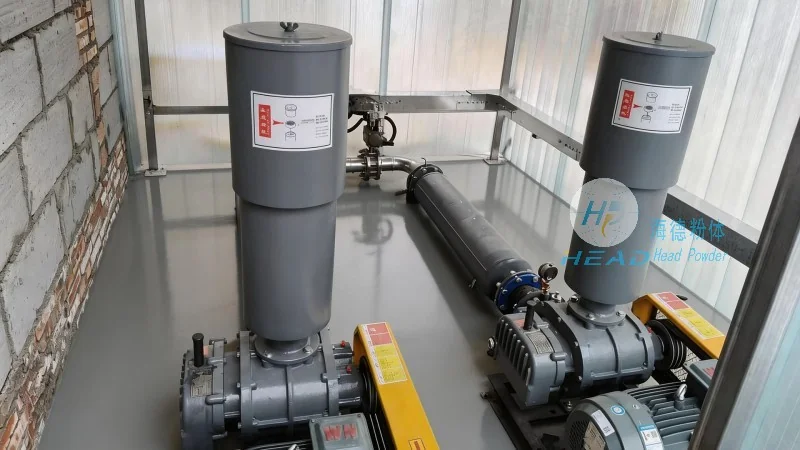
Mechanical conveying systems are another common approach for rice husk ash transportation. These systems utilize mechanical components like belts, buckets, or screws to move the material. Belt conveyors are widely used for transporting bulk materials over short to medium distances. They are simple in design, cost-effective, and can handle large volumes of rice husk ash. However, they may not be suitable for very fine or dusty materials, as they can cause material spillage and dust issues. Bucket elevators are another type of mechanical conveyor that is effective for vertical or inclined transport. They are particularly useful when the material needs to be lifted to a higher level, such as from a storage hopper to a processing unit. Screw conveyors, or augers, are also commonly used for horizontal or slight incline transport. They are suitable for handling materials with a moderate to high bulk density and can be easily integrated into existing processing lines. Mechanical conveying systems generally have lower energy consumption compared to pneumatic systems, but they may require more maintenance and are less flexible in terms of material handling.
3. Hydraulic Conveying Systems
Hydraulic conveying systems use water or other liquids to transport rice husk ash. This method is particularly effective for materials with high moisture content or those that are difficult to handle with other systems. The material is mixed with water to form a slurry, which is then pumped through a pipeline. Hydraulic conveying is often used in the transportation of ash from a boiler to a storage or processing facility. It offers advantages such as the ability to handle materials with high moisture content and the ability to transport materials over long distances with relatively low energy consumption. However, it requires additional equipment for slurry preparation and separation, and the system may be more complex to maintain. The use of hydraulic conveying for rice husk ash is less common compared to pneumatic and mechanical systems, but it can be a viable option in specific applications.
4. Combination Conveying Systems
In some cases, a combination of different conveying methods may be used to achieve optimal results. For example, a pneumatic system may be used to transport rice husk ash from a storage silo to a mechanical conveyor that then transports it to the processing unit. This hybrid approach can leverage the advantages of each system, such as the flexibility of pneumatic conveying and the efficiency of mechanical transport. Combination systems are often used in large-scale industrial facilities where different materials or processes require different handling methods. They can also help to reduce energy consumption and improve overall operational efficiency.
5. Factors to Consider When Choosing a Conveying Method
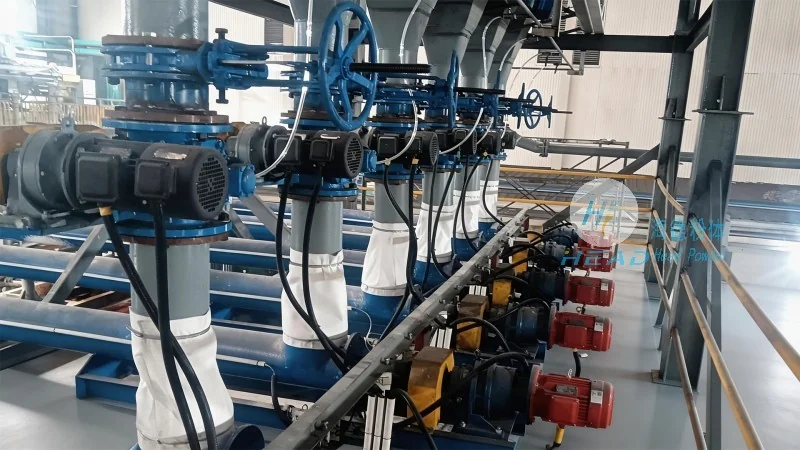
When selecting a conveying method for rice husk ash, several factors need to be considered. The first factor is the material properties, including the particle size, moisture content, and bulk density of the ash. These properties will determine the most suitable conveying system. The second factor is the distance and layout of the facility. The distance between the storage and processing areas will influence the choice between pneumatic, mechanical, or hydraulic systems. The third factor is the volume of material to be conveyed. Large volumes may require more robust systems, such as belt conveyors or high-capacity pneumatic systems. The fourth factor is the cost and maintenance requirements. Mechanical systems may have lower initial costs but higher maintenance costs, while pneumatic systems may have higher initial costs but lower maintenance costs. The fifth factor is the environmental considerations. Some systems may generate more dust or require additional dust control measures. By carefully evaluating these factors, industrial facilities can select the most appropriate conveying method for their rice husk ash handling needs.

 Công ty TNHH Kỹ thuật Công trình Bột Hải Đức Sơn Đông
 156-6277-7102(Quản lý Trương)
  0531-83386006
  Quận Chương Khâu, Thành phố Tế Nam, Tỉnh Sơn Đông, Trung Quốc
Điện thoại
WeChatTư vấn
Lên đầu