Công ty Hải Đức Bột với hơn 10 năm kinh nghiệm vận chuyển khí, cung cấp hệ thống‑thiết bị‑quạt gió và nhận dự án tổng thầu bột cả nước
Feed pellet conveying is a critical process in the animal feed industry, ensuring efficient and reliable transport of feed from storage to processing or feeding areas. For businesses operating in this sector, understanding the common methods of feed pellet conveying is essential for optimizing operations and maintaining productivity. This article explores several widely used approaches to feed pellet conveying, highlighting their applications and benefits.
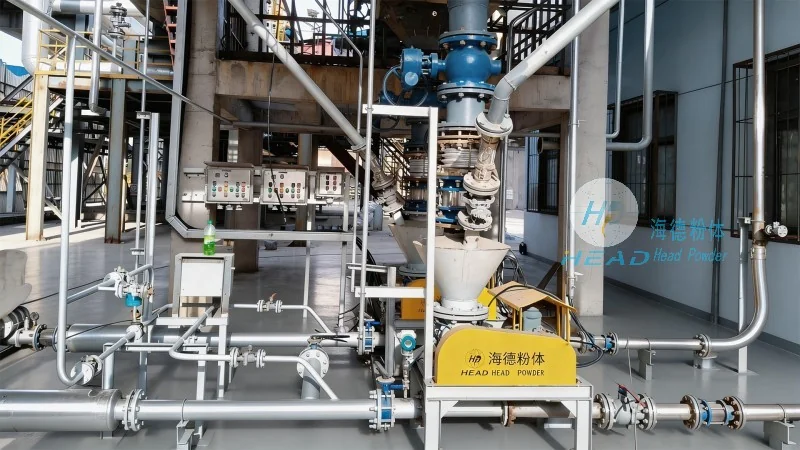
Gravity Conveying Systems
Gravity conveying systems utilize the natural force of gravity to move feed pellets from one location to another. These systems typically consist of inclined chutes or conveyor belts that allow the pellets to flow downward under the influence of gravity. The design of gravity conveyors is straightforward, often requiring minimal maintenance and energy input. They are particularly effective for short to medium distances and for handling feed pellets with consistent size and density. The primary advantage of gravity conveying is its low operational cost, as it relies on gravity rather than external power sources. However, it is limited by the need for a suitable slope and may not be suitable for vertical or long-distance transport. For feed manufacturers like Shandong HeadPowder Engineering Co., Ltd., gravity conveyors can be integrated into existing production lines to enhance workflow efficiency.
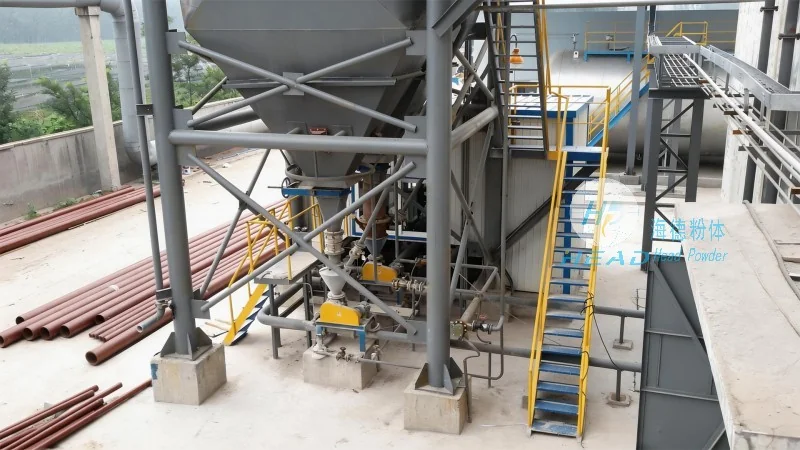
Mechanical Conveying Systems
Mechanical conveying systems employ mechanical components such as belts, screws, and buckets to transport feed pellets. Among these, belt conveyors are one of the most common types. Belt conveyors use a continuous belt that moves over rollers, carrying the feed pellets from the source to the destination. They are versatile and can handle a wide range of feed pellet sizes and types, making them suitable for various applications in feed processing. Screw conveyors, also known as augers, use a rotating screw to push feed pellets forward. This method is ideal for vertical or inclined transport and can handle bulk materials efficiently. Bucket elevators, another mechanical option, use buckets attached to a chain or belt to lift feed pellets vertically. Mechanical conveying systems offer greater control over the speed and direction of transport, which is crucial for maintaining product quality and preventing damage to the feed pellets. They are particularly useful for handling delicate or high-value feed products. Shandong HeadPowder Engineering Co., Ltd. may incorporate these mechanical systems into their feed processing facilities to ensure precise and reliable feed transport.
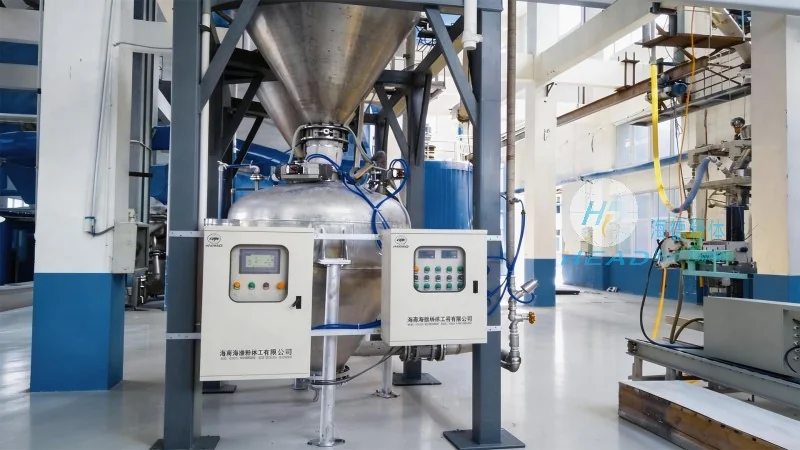
Pneumatic Conveying Systems
Pneumatic conveying systems use air or other gases to transport feed pellets through a pipeline. These systems are categorized into two main types: pressure and vacuum. Pressure systems force air and feed pellets into a pipeline using a blower or compressor, while vacuum systems draw feed pellets into the pipeline using a vacuum pump. Pneumatic conveying offers several advantages, including the ability to transport feed pellets over long distances and through vertical or horizontal paths. It is also suitable for handling fine or dusty feed materials that might be difficult to convey with other methods. However, pneumatic systems require more energy and may be more complex to maintain compared to gravity or mechanical systems. They are particularly effective for applications where dust control and hygiene are critical, such as in feed processing facilities. For companies like Shandong HeadPowder Engineering Co., Ltd., pneumatic conveying can be a valuable addition to their feed handling infrastructure, enabling efficient and hygienic transport of feed pellets.
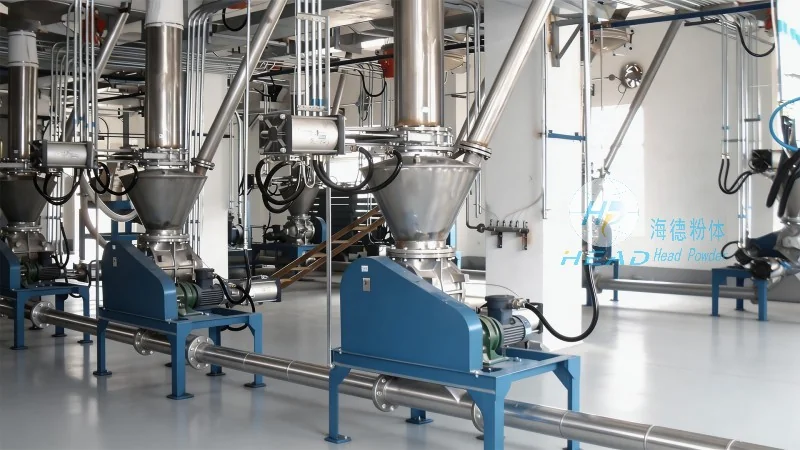
Hybrid Conveying Systems
Hybrid conveying systems combine elements of gravity, mechanical, and pneumatic methods to address specific conveying challenges. For example, a system might use a gravity conveyor for the initial portion of the transport and then switch to a mechanical or pneumatic system for the remaining distance. This approach allows for flexibility and optimization based on the specific requirements of the feed processing operation. Hybrid systems are particularly useful for complex layouts where multiple transport directions or varying distances are involved. They can help reduce energy consumption and maintenance costs by leveraging the strengths of each individual method. Shandong HeadPowder Engineering Co., Ltd. may employ hybrid systems in their feed processing facilities to achieve optimal performance and efficiency, ensuring that feed pellets are transported safely and effectively throughout the production process.

 Công ty TNHH Kỹ thuật Công trình Bột Hải Đức Sơn Đông
 156-6277-7102(Quản lý Trương)
  0531-83386006
  Quận Chương Khâu, Thành phố Tế Nam, Tỉnh Sơn Đông, Trung Quốc
Điện thoại
WeChatTư vấn
Lên đầu