Công ty Hải Đức Bột với hơn 10 năm kinh nghiệm vận chuyển khí, cung cấp hệ thống‑thiết bị‑quạt gió và nhận dự án tổng thầu bột cả nước
When it comes to the efficient and reliable transport of dry sludge, selecting the right method is crucial for maintaining operational efficiency and ensuring compliance with environmental standards. As a leading provider in the field, Shandong HeadPowder Engineering Co., Ltd. specializes in delivering tailored solutions for various dry sludge transport applications. This article explores the common methods used for dry sludge transport, highlighting their advantages and typical applications.
1. Pipeline Transportation
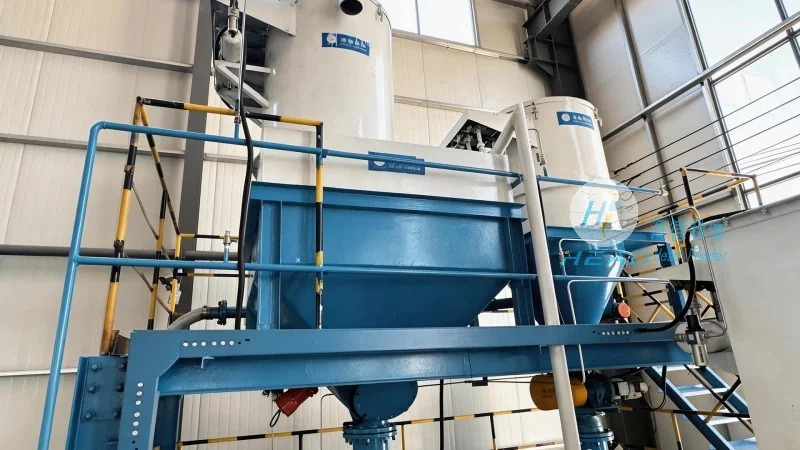
Pipeline transportation is a widely adopted method for moving dry sludge over long distances. This approach involves conveying the dry sludge through a network of pipes, often utilizing positive displacement pumps or air-lift systems to ensure consistent flow. The system is particularly effective for continuous operation and can handle large volumes of dry sludge with minimal labor requirements. The pipelines are typically made of durable materials such as stainless steel or high-density polyethylene (HDPE) to withstand the abrasive nature of dry sludge and resist corrosion. This method is ideal for industrial facilities that require a seamless supply of dry sludge to processing units or disposal sites.
2. Belt Conveyor Systems
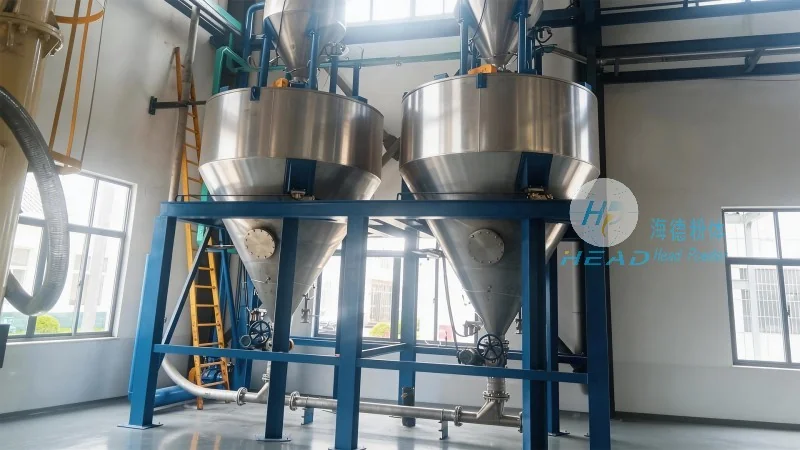
Belt conveyor systems are another common solution for dry sludge transport, especially in applications where horizontal or slight incline movement is needed. These systems consist of a continuous belt that moves the dry sludge from one location to another, often with the assistance of idlers and pulleys to maintain tension and direction. Belt conveyors are highly versatile and can be customized to handle different types and sizes of dry sludge, including those with varying moisture content. They are commonly used in wastewater treatment plants and industrial sites where the dry sludge needs to be transported to storage or processing areas. The design of belt conveyors allows for easy integration with other equipment, such as screening or dewatering units, enhancing overall operational efficiency.
3. Screw Conveyors
Screw conveyors, also known as auger conveyors, are an excellent choice for transporting dry sludge in confined spaces or for short to medium distances. This method utilizes a rotating screw (auger) inside a tube to move the dry sludge forward. The screw's rotation creates a positive displacement effect, ensuring a steady flow of material. Screw conveyors are particularly effective for handling dry sludge with low to moderate moisture content and can be adjusted to accommodate different particle sizes. They are often used in combination with other equipment, such as mixers or dewatering units, to enhance the overall process. The compact design of screw conveyors makes them suitable for installations where space is limited, and they provide a reliable means of transporting dry sludge without the need for additional power sources beyond the motor driving the screw.
4. Pneumatic Conveying
Pneumatic conveying systems use air or gas to transport dry sludge through a network of pipes. This method is ideal for applications requiring high flexibility and the ability to move dry sludge over long distances with minimal maintenance. The dry sludge is carried by the air stream, which can be either positive pressure (where air is forced into the system) or negative pressure (where air is drawn out). Pneumatic conveying is particularly effective for handling dry sludge with high moisture content or fine particles, as the air stream helps to keep the material suspended and prevent clogging. This method is commonly used in industrial settings where the dry sludge needs to be transported to different processing stages or disposal sites. The flexibility of pneumatic conveying allows for easy adjustments to the system's layout, making it a versatile solution for various dry sludge transport needs.
5. Hydraulic Conveying
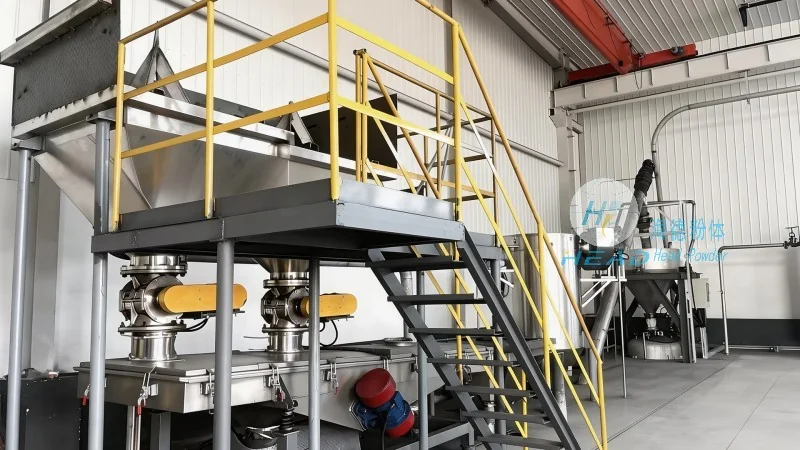
Hydraulic conveying involves the use of water or a slurry to transport dry sludge through pipelines. This method is particularly effective for moving dry sludge over long distances, especially in hilly or uneven terrain. The dry sludge is mixed with water to form a slurry, which is then pumped through the pipeline using hydraulic pumps. Hydraulic conveying is often used in applications where the dry sludge has a high moisture content and needs to be transported to treatment facilities or disposal sites. The system is designed to handle abrasive materials and can be customized to accommodate different flow rates and distances. While this method requires additional water management, it provides a reliable and efficient means of transporting dry sludge, especially in areas where other methods may not be feasible.
6. Truck and Rail Transportation
For short to medium distances or when other transport methods are not feasible, truck and rail transportation are used for dry sludge transport. These methods involve loading the dry sludge into specialized vehicles or railcars and transporting it to the desired location. Truck transportation is particularly useful for on-site movement of dry sludge within a facility or to nearby disposal sites, while rail transportation is ideal for long-distance transport over larger distances. Both methods require careful handling to prevent spillage and ensure compliance with environmental regulations. The use of specialized equipment, such as bulk trucks or railcars with secure loading mechanisms, helps to maintain the integrity of the dry sludge during transport and minimize environmental impact.
7. Combination Systems
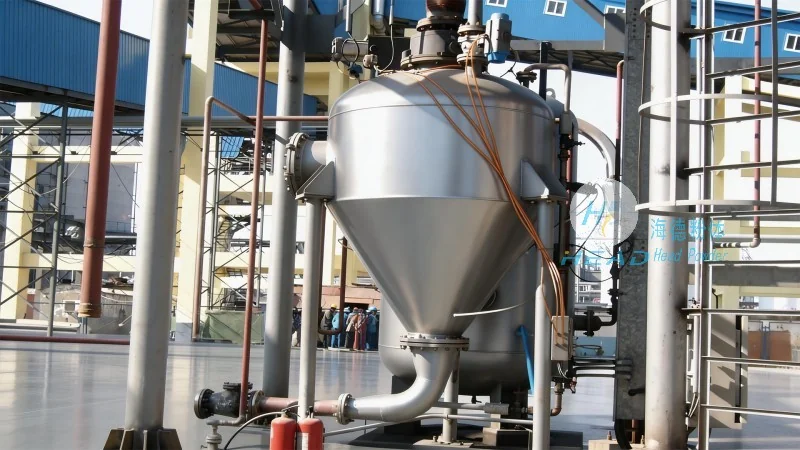
In many cases, a combination of the above methods is used to achieve optimal dry sludge transport. For example, a facility may use a pipeline system for long-distance transport and a belt conveyor for on-site movement. This integrated approach allows for efficient and flexible handling of dry sludge, ensuring that the material is transported to the appropriate processing or disposal site with minimal downtime. The use of combination systems is particularly common in large-scale industrial operations where the dry sludge volume and transport requirements are significant. By integrating different transport methods, facilities can optimize their operational efficiency, reduce costs, and ensure compliance with environmental standards.
Shandong HeadPowder Engineering Co., Ltd. specializes in providing comprehensive solutions for dry sludge transport, including the design, installation, and maintenance of various transport systems. With a focus on reliability, efficiency, and environmental compliance, the company works closely with clients to understand their specific needs and develop tailored solutions. Whether using pipeline, belt, or other transport methods, HeadPowder ensures that the dry sludge is transported safely and effectively, contributing to the overall success of the client's operations.

 Công ty TNHH Kỹ thuật Công trình Bột Hải Đức Sơn Đông
 156-6277-7102(Quản lý Trương)
  0531-83386006
  Quận Chương Khâu, Thành phố Tế Nam, Tỉnh Sơn Đông, Trung Quốc
Điện thoại
WeChatTư vấn
Lên đầu