Công ty Hải Đức Bột với hơn 10 năm kinh nghiệm vận chuyển khí, cung cấp hệ thống‑thiết bị‑quạt gió và nhận dự án tổng thầu bột cả nước
For mining operations, the efficient and safe transportation of tailings and sludge is crucial for operational continuity and environmental compliance. Understanding the various methods available helps companies select the most suitable approach based on their specific needs, including factors like distance, material characteristics, and environmental regulations. This article outlines several common methods used in the industry, providing a practical overview for stakeholders.
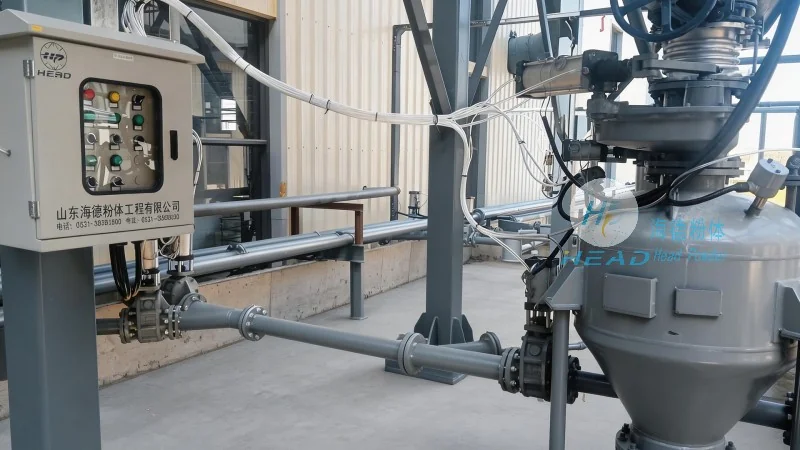
1. Pipeline Transportation
Pipeline transportation is a widely adopted method for moving tailings and sludge over long distances. This technique involves pumping the material through a series of pipelines, often using high-pressure pumps to maintain flow. The system typically consists of a tailings storage facility, a pumping station, and a discharge point. The primary advantages of pipeline transport include minimal land use, reduced environmental impact, and the ability to operate continuously. For example, in large-scale mining projects, pipelines can transport millions of tons of tailings annually, ensuring a steady supply to the storage area. The technology has evolved to include self-cleaning pipelines and advanced control systems that optimize flow and prevent blockages. Companies like Shandong HeadPowder Engineering Co., Ltd., based in China, specialize in designing and implementing such pipeline systems, leveraging their expertise to meet the diverse requirements of mining clients.
2. Belt Conveyor Systems
Belt conveyor systems are another common method for transporting tailings and sludge, particularly over shorter to medium distances. These systems use a continuous belt that moves the material from the source to the destination. The design typically includes a hopper to feed the material onto the belt, a drive system to move the belt, and a discharge mechanism at the end. Belt conveyors are favored for their simplicity, low maintenance costs, and ability to handle a wide range of material sizes and moisture contents. They are often used in conjunction with other equipment, such as crushers or screens, to process the material before transport. The efficiency of belt conveyors is enhanced by features like variable speed drives and automated controls, which adjust the system based on operational conditions. In operations located in regions like Shandong, China, these systems are integrated into existing infrastructure, providing a reliable means of moving tailings to disposal or processing facilities.
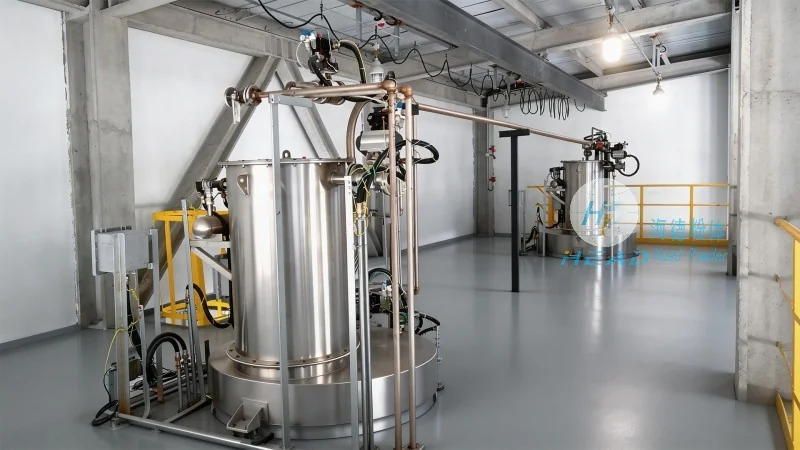
3. Truck and Heavy Equipment Transport
Truck and heavy equipment transport is a flexible method for moving tailings and sludge, especially when the distance is short or the terrain is challenging. This approach involves using specialized trucks or dump trucks to haul the material from the mining site to the tailings storage facility. The method is advantageous for its adaptability to various terrains and the ability to transport materials to locations that are not easily accessible by pipelines or conveyors. However, it may have higher operational costs due to fuel consumption, driver labor, and potential environmental impacts from dust and emissions. Companies in China, including Shandong HeadPowder Engineering Co., Ltd., may recommend this method for smaller-scale operations or as a supplementary option to other transport systems. The use of heavy equipment is carefully managed to minimize environmental effects, with measures like dust suppression and route planning to protect local ecosystems.
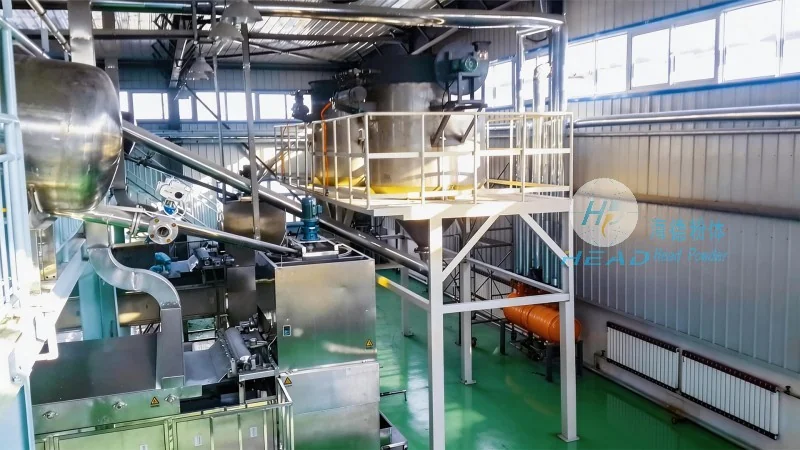
4. Hydraulic Transport
Hydraulic transport, also known as slurry transport, involves mixing tailings with water to create a slurry, which is then pumped through pipelines. This method is effective for materials with high moisture content and is commonly used in operations where the tailings are generated in a liquid or semi-liquid state. The hydraulic system includes a mixing tank, pumps, and pipelines, with the slurry being discharged at the storage site. The advantages of hydraulic transport include the ability to handle abrasive materials and the potential for continuous operation. However, it requires careful management of water usage and the prevention of clogging in pipelines. The technology has advanced with the development of high-pressure pumps and anti-corrosion materials, ensuring the longevity of the transport infrastructure. In regions like Shandong, China, hydraulic transport is utilized in mining operations that produce fine-grained tailings, providing a reliable method to move these materials efficiently.
5. Combination Systems
Many mining operations employ a combination of the above methods to optimize tailings and sludge transportation. For instance, a pipeline system might be used for the main transport, with belt conveyors handling material at the discharge point or for secondary processing. Truck transport may be used as a backup or for short-distance transfers. This integrated approach allows companies to leverage the strengths of each method while mitigating their weaknesses. The design of combination systems is tailored to the specific project requirements, considering factors such as distance, material volume, and budget constraints. Companies like Shandong HeadPowder Engineering Co., Ltd., offer comprehensive solutions that integrate multiple transport methods, ensuring efficient and cost-effective operation. Their expertise in system design and implementation helps clients achieve optimal performance and compliance with environmental regulations.

 Công ty TNHH Kỹ thuật Công trình Bột Hải Đức Sơn Đông
 156-6277-7102(Quản lý Trương)
  0531-83386006
  Quận Chương Khâu, Thành phố Tế Nam, Tỉnh Sơn Đông, Trung Quốc
Điện thoại
WeChatTư vấn
Lên đầu