Công ty Hải Đức Bột với hơn 10 năm kinh nghiệm vận chuyển khí, cung cấp hệ thống‑thiết bị‑quạt gió và nhận dự án tổng thầu bột cả nước
Barite powder, a critical industrial mineral utilized in oil drilling, pharmaceuticals, and various other sectors, demands efficient and reliable conveying methods to sustain smooth production workflows. For enterprises like Shandong HeadPowder Engineering Co., Ltd., mastering and implementing appropriate conveying techniques is vital for preserving operational efficiency and product quality. This article delves into the common methods employed for barite powder transportation, offering insights into each approach's advantages and practical applications.
Pneumatic Conveying Systems
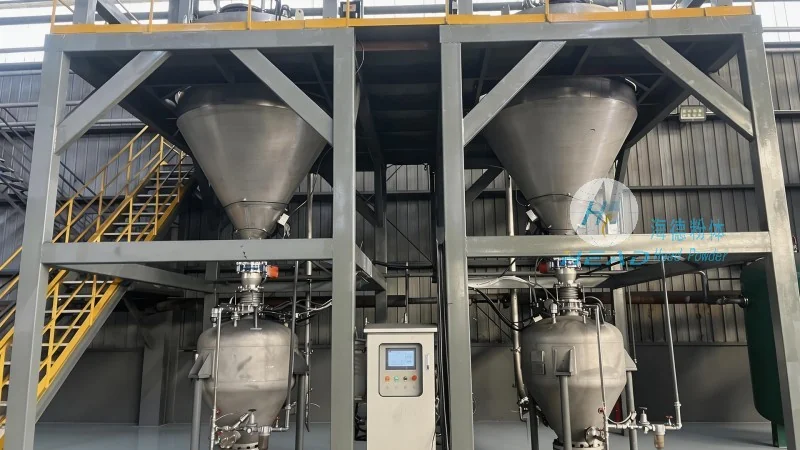
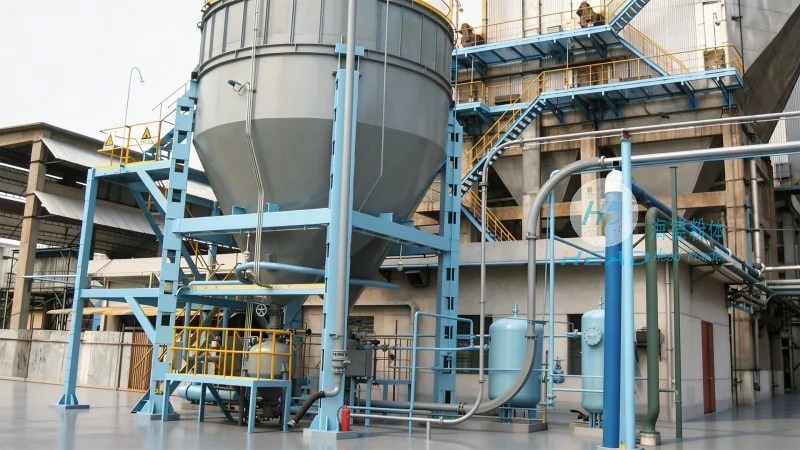
Pneumatic conveying stands as a prevalent method for barite powder transport, leveraging air pressure to move fine powders over extended distances. This system operates through a network of pipes where air pressure propels the material. Two primary types exist: pressure and vacuum systems. Pressure systems are optimal for short to medium distances, as air is blown into the pipeline to push the powder. Vacuum systems, conversely, are ideal for longer distances or when material must be drawn from multiple sources. The selection between these depends on factors such as the distance to be covered, material volume, and dust control requirements. For instance, in oil drilling operations, pneumatic conveyors are frequently used to transport barite from storage silos to the drilling site, ensuring a consistent supply without manual handling. The efficiency of pneumatic systems lies in their ability to maintain a continuous flow, reducing downtime and labor costs. However, they necessitate proper maintenance to prevent air leaks and ensure consistent pressure, which is crucial for maintaining the quality of the conveyed powder.
Screw Conveyors
Screw conveyors, also known as auger conveyors, represent another common method for barite powder handling. These systems utilize a rotating screw (auger) inside a trough to move the material forward. Screw conveyors are particularly effective for horizontal or slightly inclined transport, making them suitable for moving barite from storage bins to processing equipment. The design of the screw—including its pitch and diameter—can be adjusted to handle different particle sizes and flow rates. For example, in pharmaceutical applications where barite serves as an inert filler, screw conveyors are employed to transport the powder from raw material storage to mixing and packaging units. These conveyors are recognized for their simplicity and low maintenance requirements, making them a cost-effective solution for many industrial applications. However, they may not be suitable for very fine powders or when high-temperature materials need to be conveyed, as the screw and trough can cause friction and heat buildup.
Belt Conveyors
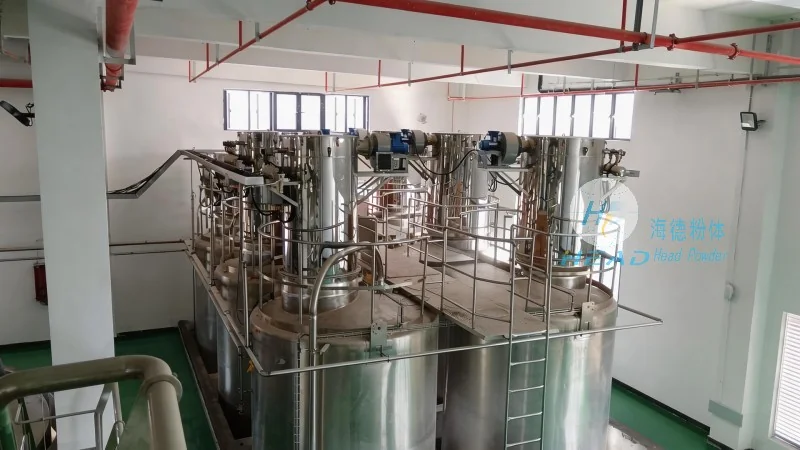
Belt conveyors are a versatile option for barite powder transport, especially in large-scale operations. These systems employ a continuous belt that moves over rollers to transport the material. Belt conveyors are ideal for long distances and can handle a wide range of material types, including barite powder. They are commonly used in mining and construction industries where large quantities of barite need to be moved from one location to another. The design of the belt conveyor—such as the type of belt (e.g., rubber or plastic) and the number of rollers—can be customized to suit the specific needs of the operation. For instance, in a barite mining facility, belt conveyors are used to transport the crushed barite from the crushing plant to the storage silos. These conveyors are known for their high capacity and ability to operate continuously, reducing the need for manual labor and increasing overall productivity. However, they require regular maintenance to ensure the belt remains in good condition and the rollers are properly aligned, which is essential for preventing material spillage and equipment damage.
Hydraulic Conveying
Hydraulic conveying is a less common but effective method for barite powder transport, particularly in applications where other systems are not suitable. This system utilizes water or a slurry to transport the material through a pipeline. The barite powder is mixed with water to form a slurry, which is then pumped through the pipeline to the destination. Hydraulic conveying is ideal for long distances and can handle very fine powders, as the slurry helps to prevent dust and maintain a consistent flow. For example, in some oil drilling operations, hydraulic systems are used to transport barite from a central storage facility to multiple drilling sites. The main advantage of hydraulic conveying is its ability to handle high volumes of material with minimal energy consumption. However, it requires careful management of the slurry concentration and water usage to prevent clogging and ensure efficient operation. Additionally, the system needs to be equipped with appropriate filtration and separation equipment to remove excess water and maintain the quality of the barite powder.
Bucket Elevators
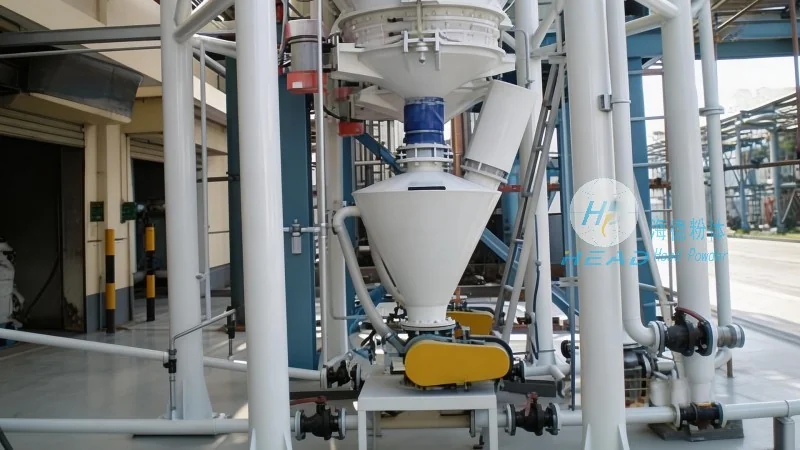
Bucket elevators are used for vertical or inclined transport of barite powder, making them suitable for moving material from lower to higher levels in a facility. These systems consist of a series of buckets attached to a chain or belt that moves vertically. The buckets are filled with barite powder at the bottom and discharged at the top. Bucket elevators are commonly used in processing plants where barite needs to be lifted from storage bins to processing equipment or to higher storage levels. They are known for their high capacity and ability to handle large quantities of material in a short amount of time. For instance, in a pharmaceutical manufacturing plant, bucket elevators are used to transport barite from the raw material storage area to the mixing and granulation units. The design of the bucket elevator—including the size of the buckets and the speed of the chain—can be adjusted to handle different particle sizes and flow rates. However, they require regular maintenance to ensure the buckets are properly aligned and the chain is in good condition, which is crucial for preventing material spillage and equipment failure.

 Công ty TNHH Kỹ thuật Công trình Bột Hải Đức Sơn Đông
 156-6277-7102(Quản lý Trương)
  0531-83386006
  Quận Chương Khâu, Thành phố Tế Nam, Tỉnh Sơn Đông, Trung Quốc
Điện thoại
WeChatTư vấn
Lên đầu