Công ty Hải Đức Bột với hơn 10 năm kinh nghiệm vận chuyển khí, cung cấp hệ thống‑thiết bị‑quạt gió và nhận dự án tổng thầu bột cả nước
Wool processing is a critical stage in the textile industry, and efficient wool conveyance is essential for maintaining quality and productivity. The process of moving wool from one stage to another, such as from bales to processing machines, requires reliable and effective methods. This article explores the various ways wool can be conveyed, focusing on practical solutions that enhance operational efficiency in wool handling.
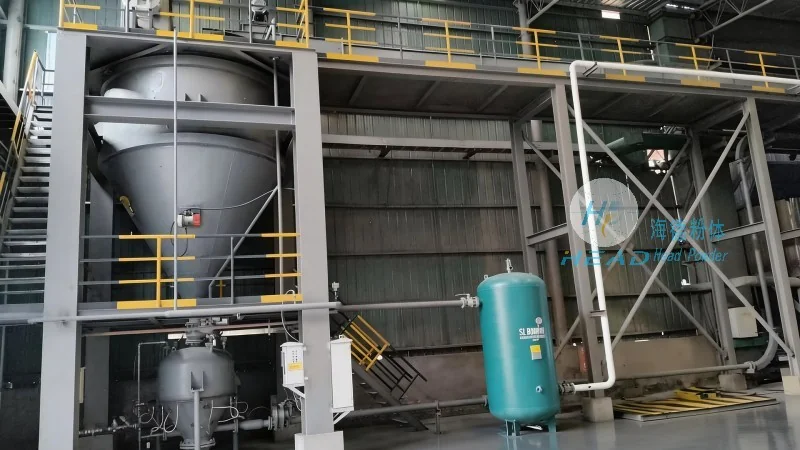
Key Considerations for Wool Conveyance
Before delving into specific methods, it is important to consider the factors that influence the choice of wool conveyance. These include the type of wool (e.g., raw wool, processed wool), the volume of material, the distance to be conveyed, and the need for minimal damage to the fibers. Each of these factors plays a role in determining the most suitable method for a particular application. For instance, delicate fibers may require gentler handling, while large volumes might necessitate high-capacity systems.
Common Wool Conveyance Methods
Several methods are commonly used in the wool industry to transport wool efficiently. These methods vary in their mechanism, cost, and suitability for different processing stages. The primary methods include mechanical conveyors, pneumatic (air) conveyors, and gravity-based systems. Each method has its advantages and limitations, which are discussed below.
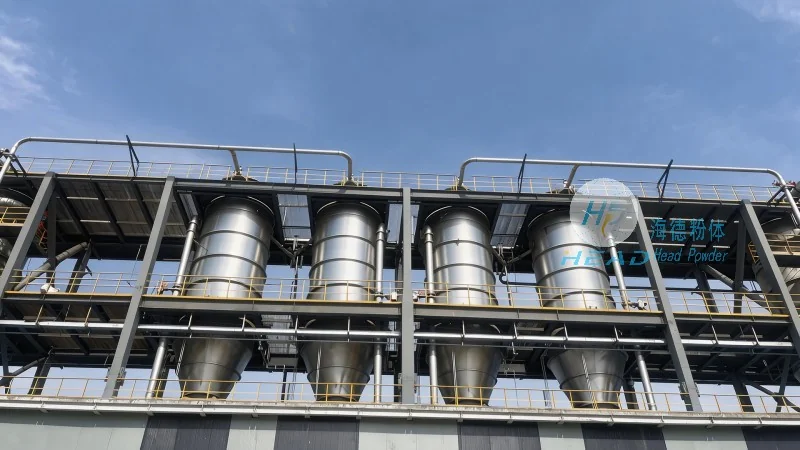
Mechanical Conveyors for Wool Handling
Mechanical conveyors are among the most traditional and widely used methods for wool conveyance. These systems utilize mechanical components such as belts, rollers, and chains to move wool. For example, belt conveyors are often employed to transport wool bales from storage areas to processing machines. The design of these conveyors can be customized to handle different sizes and shapes of wool bales, ensuring smooth and continuous movement. Additionally, mechanical conveyors can be equipped with features like adjustable speed controls and material feeders to optimize the conveying process. The key advantage of mechanical conveyors is their reliability and low maintenance requirements, making them a cost-effective solution for many wool processing facilities.
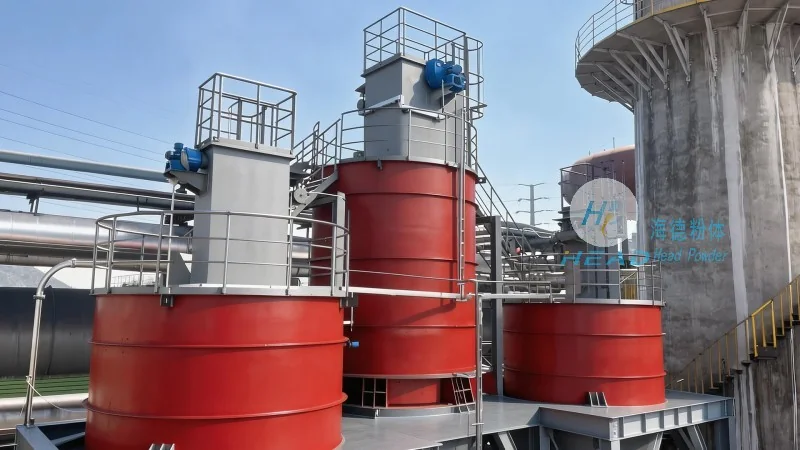
Pneumatic (Air) Conveyors for Wool Transport
Pneumatic conveyors, also known as air conveyors, use compressed air to transport wool through a network of pipes. This method is particularly effective for conveying fine wool fibers or small particles, as it minimizes the risk of fiber breakage and contamination. The system typically consists of a blower, a hopper, and a series of pipes with appropriate inlets and outlets. Wool is fed into the hopper, and as air is blown through the pipes, it carries the wool to the desired location. Pneumatic conveyors are often used in stages where wool needs to be transferred between different processing units, such as from carding machines to spinning machines. One of the main benefits of this method is its ability to handle both dry and slightly moist wool without causing damage. However, it is important to note that pneumatic systems require regular maintenance to ensure proper air flow and prevent clogging.
Gravity-Based Conveyance Systems
Gravity-based systems utilize the natural force of gravity to move wool from higher to lower levels. These systems are typically used in facilities where the layout allows for a vertical or inclined path for the wool. For example, inclined chutes or sloped conveyor belts can be used to transport wool from a storage area to a processing machine located on a different floor. The design of gravity conveyors is simple and cost-effective, as they do not require any mechanical or pneumatic components. However, their effectiveness is limited by the need for a suitable slope and the volume of wool being conveyed. Gravity systems are ideal for short distances and low volumes of wool, where the risk of fiber damage is minimal.
Customizing Wool Conveyance Solutions
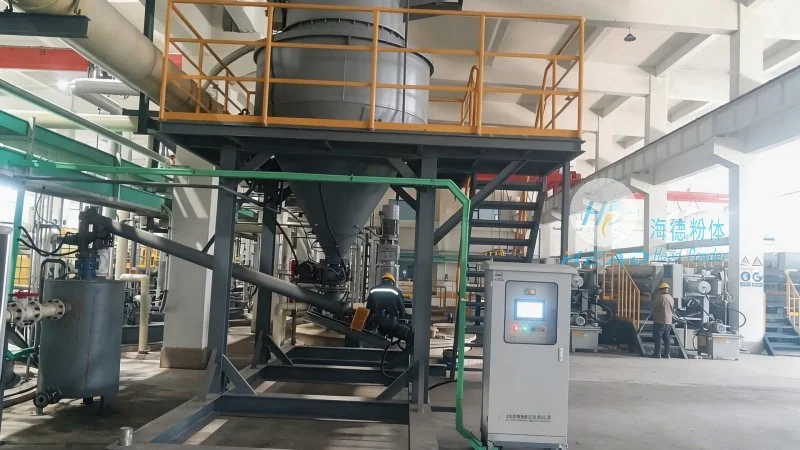
Given the diverse nature of wool processing operations, many facilities opt for customized conveyance solutions that combine elements of the above methods. For instance, a combination of mechanical and pneumatic systems might be used to handle both large bales and fine fibers. The Shandong HeadPowder Engineering Co., Ltd. specializes in designing and manufacturing tailored wool conveyance systems that meet the specific needs of their clients. With years of experience in the industry, HeadPowder understands the importance of efficient wool handling and provides solutions that enhance productivity while maintaining the quality of the wool.
Conclusion: Choosing the Right Wool Conveyance Method
Selecting the appropriate wool conveyance method is a critical decision for any wool processing facility. The choice should be based on a thorough analysis of the material characteristics, operational requirements, and budget constraints. By considering factors such as fiber type, volume, and distance, facilities can select a method that maximizes efficiency and minimizes damage to the wool. Whether using mechanical, pneumatic, or gravity-based systems, the goal is to ensure smooth and continuous movement of wool through the processing stages. The Shandong HeadPowder Engineering Co., Ltd. offers a range of solutions to help facilities achieve this goal, providing reliable and effective wool conveyance systems that meet the highest industry standards.

 Công ty TNHH Kỹ thuật Công trình Bột Hải Đức Sơn Đông
 156-6277-7102(Quản lý Trương)
  0531-83386006
  Quận Chương Khâu, Thành phố Tế Nam, Tỉnh Sơn Đông, Trung Quốc
Điện thoại
WeChatTư vấn
Lên đầu