Công ty Hải Đức Bột với hơn 10 năm kinh nghiệm vận chuyển khí, cung cấp hệ thống‑thiết bị‑quạt gió và nhận dự án tổng thầu bột cả nước
Foam transport is a critical process in various industrial applications, particularly in sectors requiring efficient and controlled movement of foam materials. The method of foam transport can significantly impact the performance, safety, and efficiency of operations. Understanding the available options is essential for selecting the most suitable approach for specific needs.
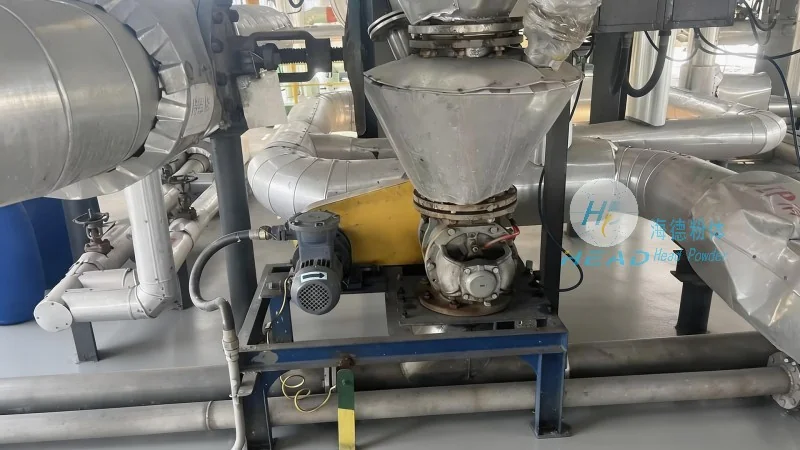
Overview of Foam Transport Systems
Foam transport systems are designed to move foam from one location to another while maintaining its integrity and preventing collapse or degradation. These systems typically involve specialized equipment such as pumps, pipelines, and control mechanisms. The choice of transport method depends on factors like foam density, viscosity, the distance to be covered, and the required flow rate.
Common Foam Transport Methods
Several methods are commonly employed for foam transport, each with its own advantages and applications. The primary approaches include pipeline transport, pump-assisted systems, and gravity-fed systems. Each method is suited to different operational scenarios and foam characteristics.
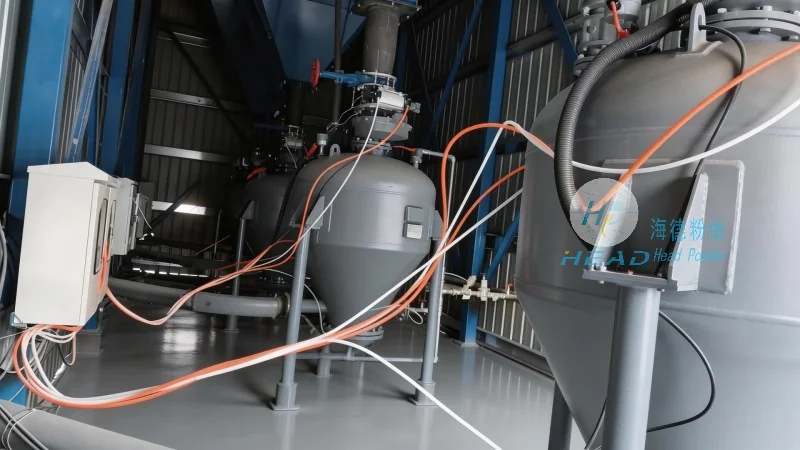
Pipeline Transport with Positive Displacement Pumps
One of the most widely used methods for foam transport is through pipelines using positive displacement pumps. This approach is particularly effective for transporting foam over longer distances or in systems where consistent pressure and flow are required. Positive displacement pumps, such as diaphragm or plunger pumps, are ideal for foam because they can handle the relatively low viscosity of foam and maintain a steady flow without cavitating. The pipeline system typically consists of flexible or rigid hoses or pipes, often made from materials resistant to foam chemicals, such as polyethylene or stainless steel. The pump is connected to the pipeline at the source, and foam is pushed through the system under pressure. This method ensures a reliable and continuous supply of foam to the application point.
Pump-Assisted Gravity Systems
In some cases, pump-assisted gravity systems are utilized, especially when the foam needs to be transported to a higher elevation or over moderate distances. These systems combine the use of a pump to initiate the flow and gravity to maintain it. The pump starts the foam moving, and once the foam reaches a higher point, gravity takes over to continue the transport. This approach reduces the energy consumption compared to continuous pumping over long distances. The system includes a pump at the lower end, a vertical or inclined pipeline, and a control valve to regulate the flow. The foam is pumped into the pipeline, and as it rises, gravity helps it move to the destination. This method is suitable for applications where the elevation difference is manageable and the foam is not highly viscous.
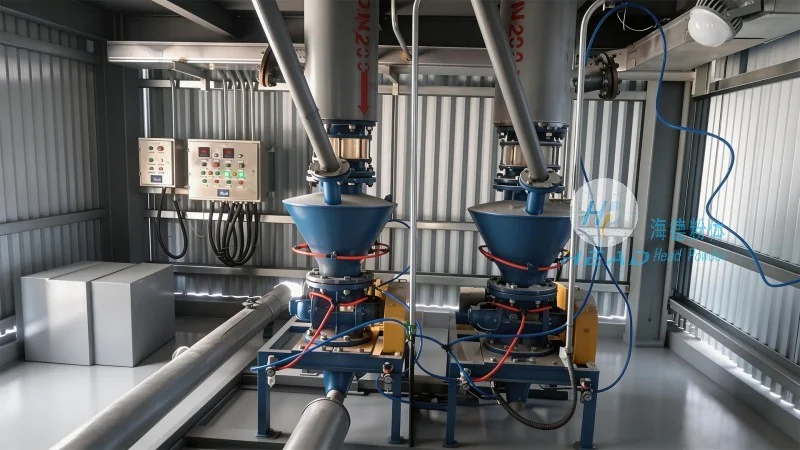
Gravity-Only Systems for Short Distances
For short-distance foam transport, gravity-only systems are often sufficient. These systems rely entirely on the natural flow of foam due to gravity, without any mechanical assistance. The foam is typically stored in a elevated tank or container, and the pipeline leads from the tank to the application point. The foam flows down through the pipeline due to gravity, maintaining a steady rate as long as the tank remains full. This method is simple and cost-effective for applications where the distance is short and the foam is not too viscous. However, it is limited by the height of the tank and the slope of the pipeline, as both affect the flow rate. Gravity-only systems are commonly used in small-scale operations or for transporting foam to nearby locations.
Factors Influencing the Choice of Foam Transport Method
When selecting a foam transport method, several factors must be considered to ensure optimal performance and efficiency. The first factor is the foam's physical properties, including its density, viscosity, and stability. High-viscosity foams may require more powerful pumps or specialized equipment to maintain flow. The second factor is the distance and elevation change between the source and destination. Longer distances or significant elevation changes may necessitate pump-assisted systems or multiple pump stages. The third factor is the required flow rate and pressure. High flow rates demand more robust pumps and larger pipelines, while high pressure may require reinforced materials for the transport system. Additionally, the operational environment, such as temperature and chemical exposure, influences the choice of materials for the pipeline and pump components.
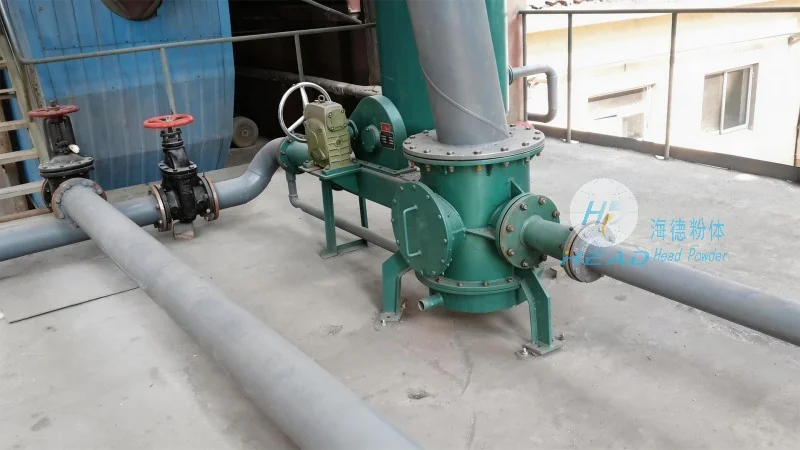
Applications of Foam Transport in Industrial Settings
Foam transport is widely used in various industrial applications, including firefighting, chemical processing, and construction. In firefighting, foam is transported to fire suppression systems to create a blanket over the fire, effectively smothering it and preventing re-ignition. The transport method must ensure that the foam reaches the fire site quickly and in sufficient quantity. In chemical processing, foam is used for cooling, cleaning, or as a medium in reactors. The transport system must maintain the foam's quality and prevent contamination during movement. In construction, foam is used for insulation and sealing, and the transport method must deliver the foam to the application point with minimal loss or degradation. Each application has specific requirements that dictate the choice of transport method.
Conclusion
The choice of foam transport method is a critical decision that impacts the effectiveness and efficiency of industrial operations. By considering factors such as foam properties, distance, and operational needs, industries can select the most appropriate method. Whether using pipeline transport with positive displacement pumps, pump-assisted gravity systems, or gravity-only systems, the goal is to maintain the foam's integrity and ensure reliable delivery. Companies like Shandong HeadPowder Engineering Co., Ltd. specialize in providing customized foam transport solutions tailored to specific industrial requirements, ensuring optimal performance and safety in various applications.

 Công ty TNHH Kỹ thuật Công trình Bột Hải Đức Sơn Đông
 156-6277-7102(Quản lý Trương)
  0531-83386006
  Quận Chương Khâu, Thành phố Tế Nam, Tỉnh Sơn Đông, Trung Quốc
Điện thoại
WeChatTư vấn
Lên đầu