Công ty Hải Đức Bột với hơn 10 năm kinh nghiệm vận chuyển khí, cung cấp hệ thống‑thiết bị‑quạt gió và nhận dự án tổng thầu bột cả nước
Efficient iron chip handling is a critical aspect of metalworking operations, particularly in environments where iron chips are generated as a byproduct of machining processes. The choice of a suitable conveying method can significantly impact operational efficiency, safety, and overall production costs. This article provides a detailed comparison of common iron chip conveying methods, focusing on their principles, advantages, and applications, with a focus on the expertise of Shandong HeadPowder Engineering Co., Ltd., a leading provider in the field.
Gravity Conveying Systems
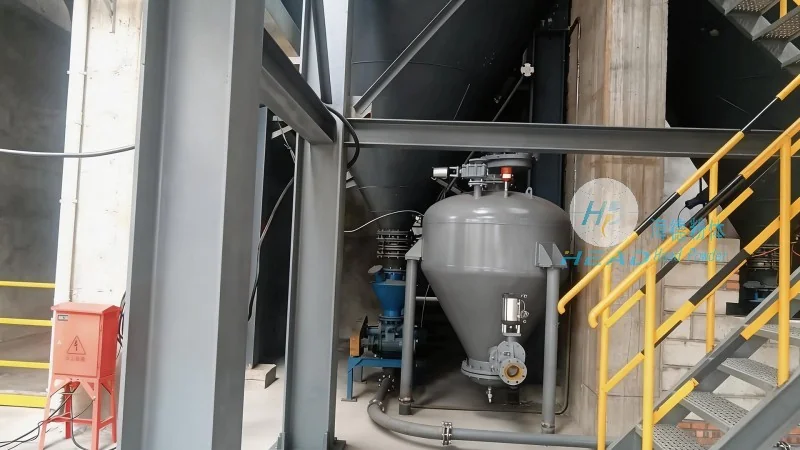
Gravity conveying systems utilize the natural force of gravity to move iron chips from one location to another. These systems typically consist of inclined chutes or troughs that allow chips to slide down under the influence of gravity. The design of gravity conveyors is straightforward, often featuring smooth, sloped surfaces to minimize friction and ensure smooth movement. One of the primary advantages of gravity conveying is its low operational cost, as it does not require external power sources. However, its effectiveness is highly dependent on the slope of the conveyor and the size and density of the iron chips. For applications where the layout allows for a sufficient incline, gravity conveyors can be an economical solution. Shandong HeadPowder Engineering Co., Ltd. has extensive experience in designing and implementing gravity conveying solutions tailored to specific production environments, ensuring optimal performance and reliability.
Mechanical Conveying Systems
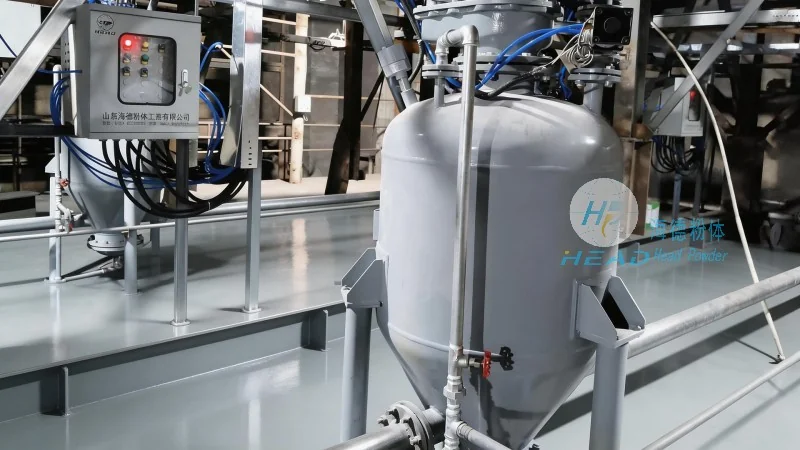
Mechanical conveying systems employ mechanical components such as belts, screws, or buckets to transport iron chips. Belt conveyors are widely used for horizontal or slightly inclined transport, offering high capacity and flexibility. Screw conveyors, also known as augers, are effective for vertical or inclined transport, particularly in confined spaces. These systems are capable of handling a wide range of chip sizes and densities, making them suitable for various metalworking applications. The main advantage of mechanical conveyors is their ability to handle both dry and wet chips, and they can be integrated with other processing equipment for a seamless workflow. However, they require regular maintenance and may consume more energy compared to gravity systems. HeadPowder, as a professional manufacturer, offers a range of mechanical conveying solutions, including custom-designed belt and screw conveyors, to meet the diverse needs of metalworking facilities.
Pneumatic Conveying Systems
Pneumatic conveying systems use air pressure or vacuum to transport iron chips through a pipeline. These systems are particularly effective for handling fine or dusty chips, as they can prevent contamination and maintain a clean working environment. There are two main types of pneumatic conveyors: pressure and vacuum. Pressure systems use compressed air to push chips through the pipeline, while vacuum systems use a vacuum to draw chips into the line. Pneumatic conveyors offer high flexibility, as they can be easily reconfigured to adapt to changes in production layout. However, they may have higher initial costs and require careful maintenance of air filtration systems to prevent clogging. Shandong HeadPowder Engineering Co., Ltd. specializes in the design and installation of pneumatic conveying systems, ensuring efficient and reliable chip transport in industrial settings.
Hybrid Conveying Systems
Hybrid conveying systems combine elements of gravity, mechanical, and pneumatic technologies to achieve optimal performance. For example, a system might use a gravity conveyor to transport chips to a mechanical screw conveyor, which then feeds into a pneumatic line for final transport. This approach allows for the utilization of the strengths of each method while mitigating their individual limitations. Hybrid systems are particularly useful in complex production environments where multiple conveying requirements need to be addressed simultaneously. They offer enhanced flexibility and efficiency, making them a preferred choice for large-scale metalworking operations. HeadPowder Engineering Co., Ltd. provides comprehensive hybrid conveying solutions, integrating advanced control systems to ensure smooth and coordinated operation across different components.
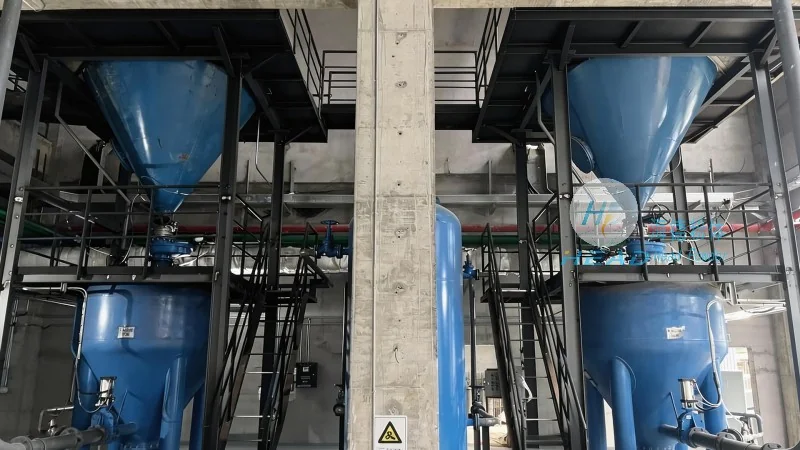
Key Considerations for Selecting Iron Chip Conveying Methods
When selecting an iron chip conveying method, several factors must be considered to ensure the most suitable solution for a specific application. The first consideration is the physical characteristics of the iron chips, including size, shape, and density. Larger or irregularly shaped chips may require mechanical or pneumatic systems with higher capacity and torque. The second factor is the layout and space constraints of the production facility. Gravity systems are ideal for applications with sufficient vertical or horizontal space, while mechanical and pneumatic systems are more suitable for compact or multi-level layouts. The third consideration is the operational environment, such as the presence of moisture or dust, which may influence the choice between dry and wet conveying methods. Additionally, the budget and maintenance requirements play a crucial role in the decision-making process. Shandong HeadPowder Engineering Co., Ltd. offers expert consultation services to help clients evaluate these factors and select the most appropriate conveying system, ensuring long-term operational efficiency and cost-effectiveness.
Conclusion
In conclusion, the choice of an iron chip conveying method depends on a variety of factors, including the nature of the chips, the layout of the facility, and the operational requirements. Gravity, mechanical, pneumatic, and hybrid systems each offer unique advantages and are suitable for different applications. By understanding the principles and characteristics of each method, metalworking facilities can make informed decisions to improve their chip handling processes. Shandong HeadPowder Engineering Co., Ltd. stands as a trusted partner in providing customized iron chip conveying solutions, leveraging years of experience and advanced technology to meet the evolving needs of the industry. With a focus on efficiency, reliability, and customer satisfaction, HeadPowder continues to deliver high-quality conveying systems that enhance productivity and safety in metalworking operations.

 Công ty TNHH Kỹ thuật Công trình Bột Hải Đức Sơn Đông
 156-6277-7102(Quản lý Trương)
  0531-83386006
  Quận Chương Khâu, Thành phố Tế Nam, Tỉnh Sơn Đông, Trung Quốc
Điện thoại
WeChatTư vấn
Lên đầu