Công ty Hải Đức Bột với hơn 10 năm kinh nghiệm vận chuyển khí, cung cấp hệ thống‑thiết bị‑quạt gió và nhận dự án tổng thầu bột cả nước
Shandong HeadPowder Engineering Co., Ltd., located in Shandong, China, specializes in providing efficient and reliable solutions for coal and coke transportation. As a leading manufacturer in the industry, HeadPowder offers a range of conveying systems tailored to meet the diverse needs of clients. Understanding the different methods of coal and coke conveyance is crucial for optimizing material handling processes in industrial settings. This article provides a detailed comparison of common coal and coke conveying methods, highlighting their advantages, applications, and operational characteristics.
Overview of Key Conveying Methods
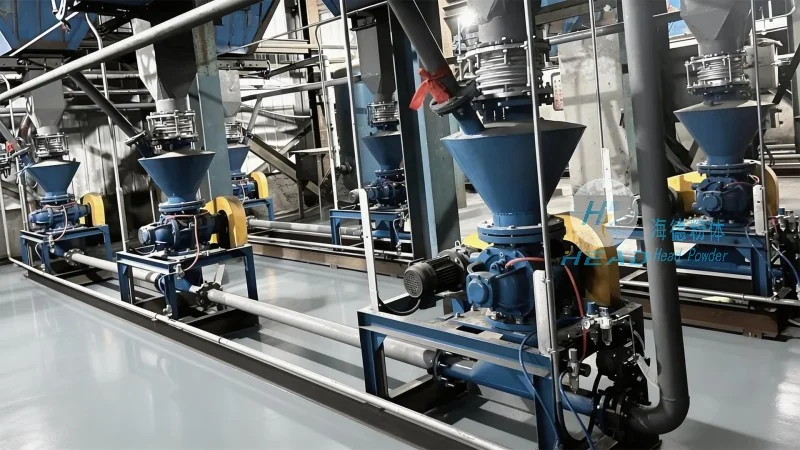
Coal and coke are essential raw materials in various industrial sectors, including steel production, power generation, and chemical manufacturing. The efficient transportation of these bulk materials is vital for maintaining smooth operations and minimizing downtime. Several methods are widely used in the industry, each with its own set of characteristics and suitability for different applications. The primary methods include belt conveyors, screw conveyors, pneumatic conveyors, and bucket elevators. Each method has unique features that make it suitable for specific scenarios, such as material type, distance, and environmental conditions.
Belt Conveyors: The Workhorse of Bulk Material Handling
Belt conveyors are one of the most common and versatile methods for transporting coal and coke. These systems consist of a continuous belt that moves over rollers or pulleys, carrying the material from one point to another. The primary advantage of belt conveyors is their high capacity and ability to handle large volumes of material over long distances. They are particularly effective for transporting loose materials like coal and coke, as the belt can accommodate a wide range of particle sizes without causing excessive wear. Belt conveyors are also relatively low in maintenance and can operate continuously for extended periods, making them ideal for heavy-duty industrial applications. The design of belt conveyors allows for easy integration with other processing equipment, such as crushers and screens, enabling a seamless material handling process. However, belt conveyors require proper alignment and tensioning to ensure smooth operation and prevent material spillage. Regular maintenance, including belt inspection and pulley replacement, is essential to maintain optimal performance.
Screw Conveyors: Compact and Versatile for Horizontal Transport
Screw conveyors, also known as auger conveyors, are another popular method for coal and coke transportation. These systems use a rotating screw or auger to move material along a trough or pipe. Screw conveyors are particularly suitable for horizontal or slightly inclined transport, as they can handle materials with a wide range of moisture content and particle sizes. The compact design of screw conveyors makes them ideal for applications where space is limited, such as in confined areas of a plant or in small-scale operations. They are also relatively low-cost and easy to install, making them a cost-effective solution for many industrial needs. Screw conveyors are effective for transporting materials that are prone to caking or sticking, as the rotating screw helps to break up clumps and maintain a consistent flow. However, screw conveyors have a lower capacity compared to belt conveyors and are more suitable for shorter distances. They also require regular cleaning to prevent material buildup and ensure smooth operation.
Pneumatic Conveyors: Air-Driven Systems for Dusty Materials
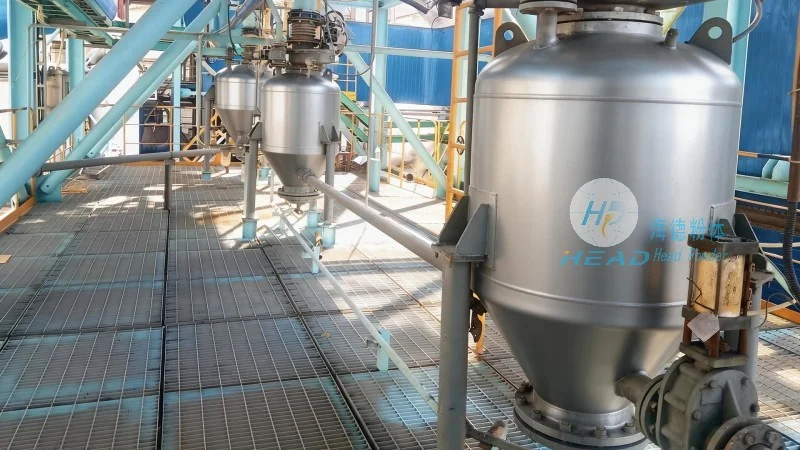
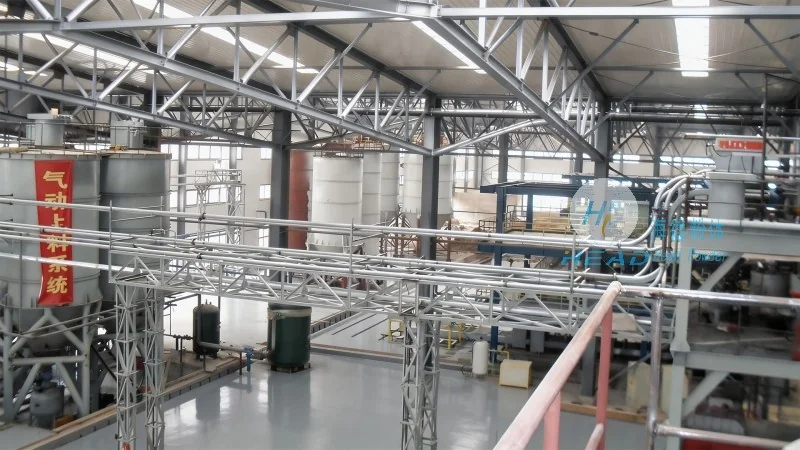
Pneumatic conveyors use air pressure to transport coal and coke through a pipeline system. These systems are particularly effective for handling dusty or fine materials, as they can transport material without direct contact, reducing the risk of contamination and material degradation. Pneumatic conveyors are ideal for applications where dust control is a priority, such as in food processing or pharmaceutical industries. The flexibility of pneumatic conveyors allows for the transportation of material over long distances and around obstacles, making them suitable for complex layouts. However, pneumatic conveyors have a lower capacity compared to other methods and require a significant amount of energy to operate. They are also more prone to system blockages and require regular maintenance to ensure consistent performance. The design of pneumatic conveyors includes components such as air compressors, filters, and cyclone separators to maintain system efficiency and prevent material buildup.

 Công ty TNHH Kỹ thuật Công trình Bột Hải Đức Sơn Đông
 156-6277-7102(Quản lý Trương)
  0531-83386006
  Quận Chương Khâu, Thành phố Tế Nam, Tỉnh Sơn Đông, Trung Quốc
Điện thoại
WeChatTư vấn
Lên đầu