Công ty Hải Đức Bột với hơn 10 năm kinh nghiệm vận chuyển khí, cung cấp hệ thống‑thiết bị‑quạt gió và nhận dự án tổng thầu bột cả nước
Water-containing powders are widely used in various industrial applications, such as construction, chemical processing, and material handling. The efficient and reliable transportation of these materials is crucial for maintaining production efficiency and ensuring product quality. Among the different conveying methods available, several approaches stand out as the most common and effective. This article provides a detailed comparison of the primary water-containing powder conveying methods, focusing on their operational principles, advantages, and practical applications. The information is presented by Shandong HeadPowder Engineering Co., Ltd., a leading manufacturer based in China, with a commitment to providing high-quality engineering solutions for powder handling systems.
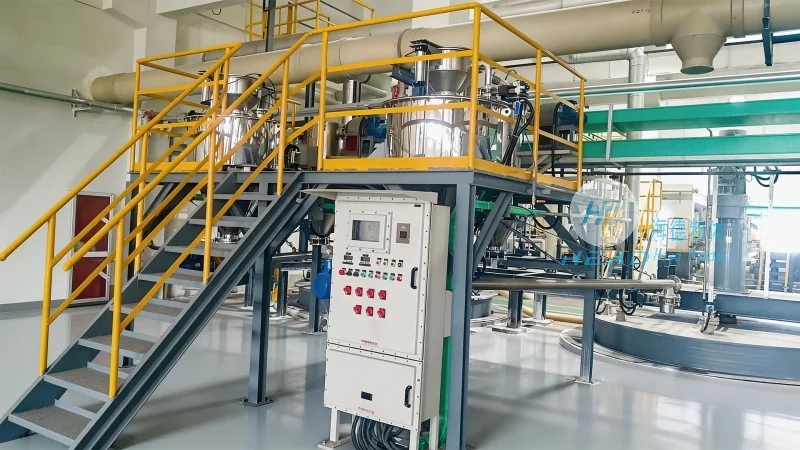
Understanding Water-Containing Powder Conveying
Before delving into the specific conveying methods, it is essential to understand the nature of water-containing powders. These materials consist of dry powder particles suspended in a liquid medium, often water, creating a slurry or paste-like consistency. The viscosity and flow characteristics of such mixtures vary significantly based on the powder type, water content, and particle size. Effective conveying requires methods that can handle these unique properties without causing degradation or separation of the powder and liquid components. The choice of conveying system depends on factors like the material's physical properties, the required flow rate, the distance to be covered, and the environmental conditions of the operation site.
Pipeline Conveying: A Traditional Approach
Pipeline conveying is one of the most established methods for transporting water-containing powders. This technique involves pumping the slurry through a closed system of pipes, utilizing positive displacement or centrifugal pumps to maintain the flow. The system typically includes a hopper for material storage, a pump to move the slurry, and a pipeline network that can be configured to reach various destinations. The primary advantage of pipeline conveying is its ability to handle large volumes over long distances with minimal labor. It is particularly suitable for continuous production lines where a steady flow of material is required. However, this method requires significant infrastructure investment, including the installation of pipelines and specialized pumps. Maintenance is also a consideration, as pumps and pipelines can experience wear and tear, potentially leading to clogs or leaks. The system's efficiency is directly related to the pump's capacity and the pipeline's design, making it crucial to match the equipment to the specific material characteristics.
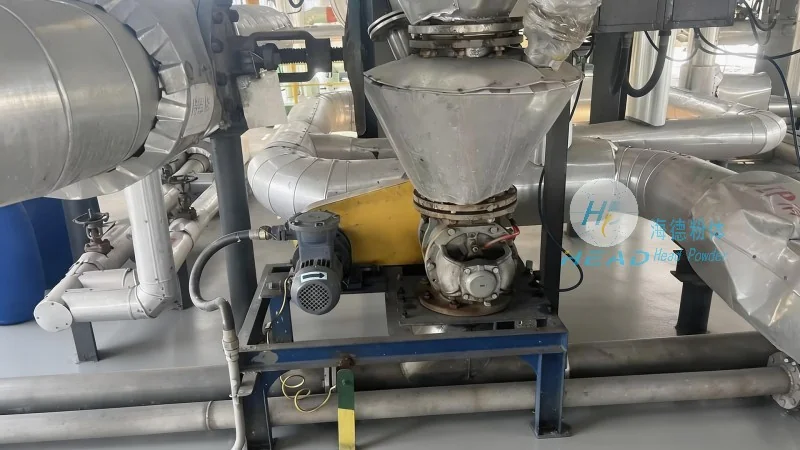
Pneumatic Conveying: The Air-Assisted Solution
Pneumatic conveying uses compressed air to transport water-containing powders through a pipeline. This method is particularly effective for materials that are difficult to pump due to high viscosity or abrasive properties. The system operates by creating a pressure differential, where air is introduced at one end of the pipeline, drawing the slurry along with it. There are two main types of pneumatic conveying: pressure and vacuum. Pressure systems use positive pressure to push the material through the line, while vacuum systems create a negative pressure to pull the material from the source. Pneumatic conveying offers flexibility in terms of layout, as the pipeline can be installed in various configurations, including vertical or horizontal runs. It is also less prone to clogging compared to mechanical pumps, as the air helps to keep the particles suspended. However, the energy consumption is higher than with other methods, and the system may require additional filtration to remove moisture or fine particles from the air. The choice between pressure and vacuum depends on the distance to be covered and the material's density and flowability.
Hydraulic Conveying: The Water-Powered Option
Hydraulic conveying, also known as slurry pumping, employs water as the primary medium to transport the powder. This method is often used in applications where the material is already in a slurry form, such as in mining or mineral processing. The system consists of a slurry pump that moves the mixture through a pipeline, similar to pipeline conveying but with a focus on the hydraulic properties of the slurry. Hydraulic conveying is highly effective for handling high-viscosity slurries and can cover long distances with relatively low energy consumption. The main advantage is its ability to handle abrasive materials without significant wear on the pump components. However, the system requires careful management of the water-to-powder ratio to maintain optimal flow. If the slurry becomes too thick, it may lead to pump cavitation or reduced efficiency. Additionally, the system may need regular cleaning to prevent buildup of solids in the pipeline. Hydraulic conveying is particularly suitable for applications where the material is already in a slurry state and needs to be transported to a processing facility.
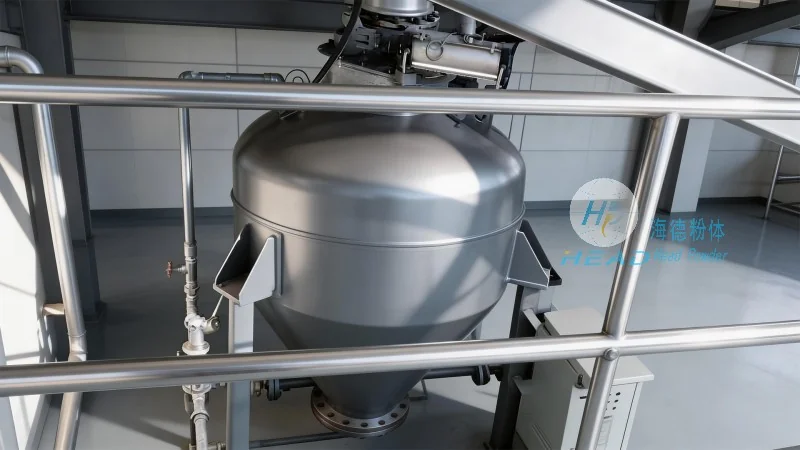
Gravity Conveying: The Low-Energy Alternative
Gravity conveying relies on the natural force of gravity to move water-containing powders through a sloped pipeline. This method is suitable for short distances and when the material has a relatively low viscosity. The system typically involves a hopper at the top of the slope, from which the slurry flows down through a pipe to the destination. The primary advantage of gravity conveying is its low energy consumption, as no pumps are required. It is also simple to install and maintain, making it an economical choice for small-scale operations. However, the method is limited by the distance it can cover, as the slope must be steep enough to ensure the material flows without clogging. The flow rate is also dependent on the slope angle and the material's properties, and any changes in the slurry consistency can affect the conveying efficiency. Gravity conveying is most effective for materials that are free-flowing and have a low water content, as higher viscosity may cause the material to stick to the pipe walls.
Choosing the Right Conveying Method for Your Application
When selecting a water-containing powder conveying method, several factors must be considered to ensure optimal performance and cost-effectiveness. The first step is to evaluate the material's physical properties, including its particle size, density, and viscosity. These characteristics will determine the most suitable conveying system. For example, high-viscosity slurries may require hydraulic or pneumatic conveying, while low-viscosity materials can be handled by gravity or pipeline systems. The distance to be covered and the required flow rate are also critical considerations. Long distances and high flow rates often necessitate the use of pumps, such as in pipeline or hydraulic conveying, while short distances and low flow rates may allow for gravity systems. The available infrastructure and budget are additional factors that influence the choice. It is essential to consult with experts, such as Shandong HeadPowder Engineering Co., Ltd., to assess the specific needs of the operation and recommend the most appropriate conveying solution. By carefully evaluating these factors, industries can select a conveying method that maximizes efficiency, minimizes downtime, and ensures the consistent quality of their water-containing powder products.

 Công ty TNHH Kỹ thuật Công trình Bột Hải Đức Sơn Đông
 156-6277-7102(Quản lý Trương)
  0531-83386006
  Quận Chương Khâu, Thành phố Tế Nam, Tỉnh Sơn Đông, Trung Quốc
Điện thoại
WeChatTư vấn
Lên đầu