Công ty Hải Đức Bột với hơn 10 năm kinh nghiệm vận chuyển khí, cung cấp hệ thống‑thiết bị‑quạt gió và nhận dự án tổng thầu bột cả nước
Microbead powders are widely used in various industrial applications, and the efficient transportation of these fine particles is crucial for maintaining production efficiency and product quality. Shandong HeadPowder Engineering Co., Ltd., a leading manufacturer in the field, offers advanced solutions for microbead powder conveying. This article provides a detailed comparison of common microbead powder conveying methods to help industrial users select the most suitable option for their specific needs.
Understanding Microbead Powder Conveying
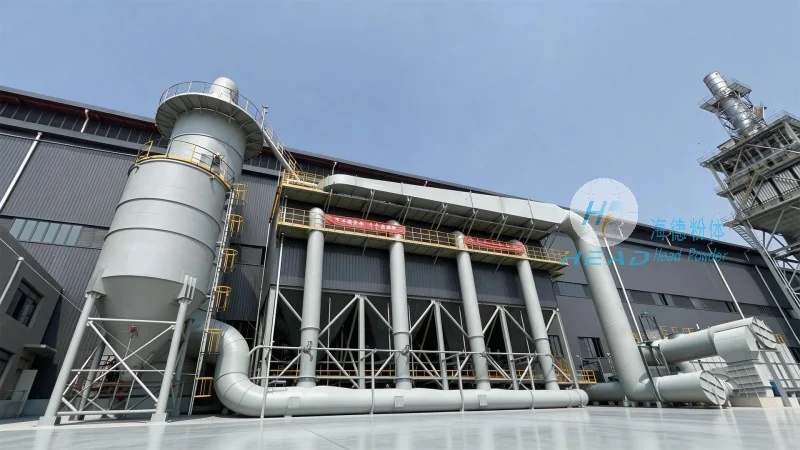
Before delving into the different conveying methods, it's essential to understand the characteristics of microbead powders. These powders are typically small, spherical particles with diameters ranging from a few micrometers to several millimeters. Their uniform size and shape affect how they can be transported, as well as the equipment required. The primary challenges in microbead powder conveying include preventing particle segregation, minimizing dust generation, and ensuring consistent flow rates. Shandong HeadPowder Engineering Co., Ltd. specializes in designing and manufacturing equipment that addresses these challenges effectively.
Common Microbead Powder Conveying Methods
There are several common methods used to transport microbead powders, each with its own advantages and limitations. The choice of method depends on factors such as the particle size, flow rate requirements, system layout, and the need for dust control. Below is a comparison of the most widely used microbead powder conveying techniques.
Pneumatic Conveying Systems
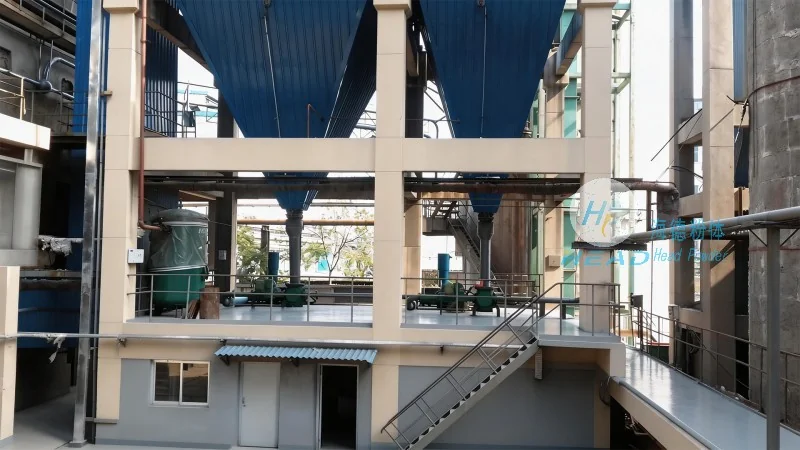
Pneumatic conveying is one of the most popular methods for transporting microbead powders due to its flexibility and ability to handle a wide range of particle sizes. This method uses compressed air to move the powder through a pipeline. There are two main types of pneumatic conveying: pressure and vacuum systems. Pressure systems use positive pressure to push the powder forward, while vacuum systems use negative pressure to pull the powder. Shandong HeadPowder Engineering Co., Ltd. offers customized pneumatic conveying solutions that can be tailored to specific production requirements. For example, a pressure system might be used for long-distance transport, while a vacuum system is suitable for short-distance or dusty environments. The company's engineers can design the system to minimize energy consumption and maximize efficiency. Pneumatic conveying is particularly effective for microbead powders because it can handle fine particles without causing excessive wear on the equipment. However, it requires careful control of air pressure and flow rates to prevent particle segregation and ensure consistent delivery.
Mechanical Conveying Systems
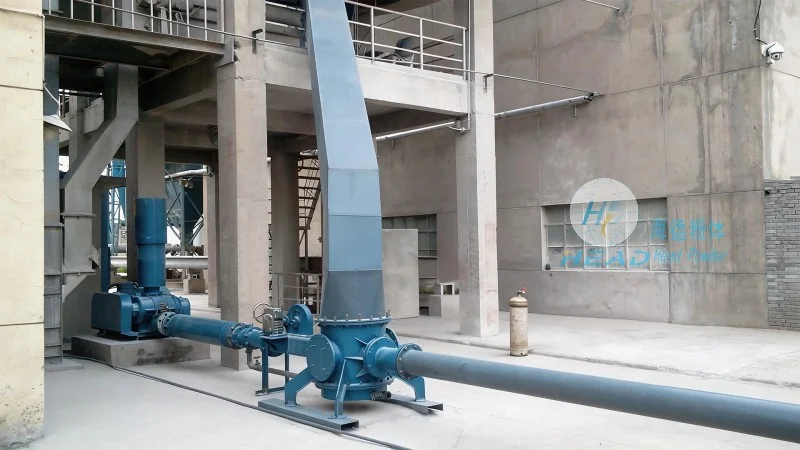
Mechanical conveying systems are another common method for transporting microbead powders. These systems use mechanical components such as screws, belts, or buckets to move the powder. Screw conveyors are widely used for horizontal or slightly inclined transport, while bucket elevators are suitable for vertical transport. Mechanical conveying is often preferred when the powder needs to be transported over short distances or when dust control is a priority. Shandong HeadPowder Engineering Co., Ltd. manufactures high-quality mechanical conveying equipment that is durable and reliable. For instance, a screw conveyor can be used to transport microbead powders from a storage hopper to a processing machine. The company's screw conveyors are designed with smooth surfaces to prevent particle buildup and ensure consistent flow. Mechanical conveying systems are generally more cost-effective than pneumatic systems, especially for short-distance transport. However, they may not be suitable for long-distance or high-volume applications. Additionally, mechanical systems require regular maintenance to prevent wear and tear.
Hybrid Conveying Systems
Hybrid conveying systems combine pneumatic and mechanical methods to leverage the benefits of both. These systems are often used in complex production lines where different conveying segments require different approaches. For example, a hybrid system might use a pneumatic conveyor to transport microbead powders from a storage area to a processing station, and then use a mechanical conveyor to move the powder to the final destination. Shandong HeadPowder Engineering Co., Ltd. specializes in designing hybrid systems that optimize performance and efficiency. The company's engineers can integrate pneumatic and mechanical components to create a seamless conveying process. Hybrid systems are particularly useful for applications that involve both long-distance and short-distance transport, as well as for handling different particle sizes. However, they are more complex and expensive to install and maintain compared to single-method systems. The choice of hybrid system depends on the specific requirements of the production line and the budget available.
Factors to Consider When Choosing a Conveying Method
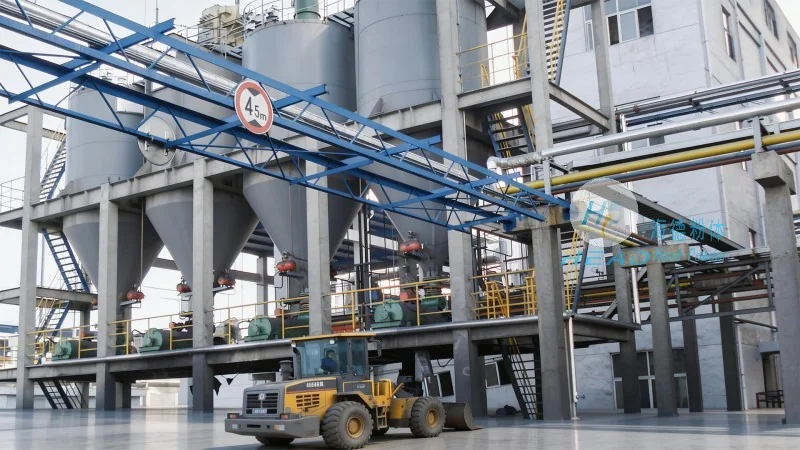
When selecting a microbead powder conveying method, several factors need to be considered. First, the particle size and density of the microbeads are critical. Larger particles may require different equipment than fine particles. Second, the flow rate and distance of transport are important. Long-distance transport may require pneumatic systems, while short-distance transport can use mechanical systems. Third, dust control is a major concern. Pneumatic systems can generate more dust than mechanical systems, so proper filtration and sealing are necessary. Fourth, the cost of the system and its maintenance should be considered. Mechanical systems are generally more cost-effective, while pneumatic systems may be more expensive but offer greater flexibility. Shandong HeadPowder Engineering Co., Ltd. provides expert advice on selecting the most suitable conveying method based on these factors. The company's team of engineers can conduct a thorough analysis of the production requirements and recommend the best solution.
Conclusion
Choosing the right microbead powder conveying method is essential for maintaining production efficiency and product quality. Shandong HeadPowder Engineering Co., Ltd. offers a range of advanced conveying solutions that cater to different industrial needs. Whether using pneumatic, mechanical, or hybrid systems, the company's products are designed to handle the unique challenges of microbead powder transport. By considering factors such as particle size, flow rate, and dust control, industrial users can select the most appropriate conveying method for their applications. Shandong HeadPowder Engineering Co., Ltd. is committed to providing high-quality equipment and expert support to help clients achieve optimal performance in their microbead powder conveying systems.

 Công ty TNHH Kỹ thuật Công trình Bột Hải Đức Sơn Đông
 156-6277-7102(Quản lý Trương)
  0531-83386006
  Quận Chương Khâu, Thành phố Tế Nam, Tỉnh Sơn Đông, Trung Quốc
Điện thoại
WeChatTư vấn
Lên đầu