Công ty Hải Đức Bột với hơn 10 năm kinh nghiệm vận chuyển khí, cung cấp hệ thống‑thiết bị‑quạt gió và nhận dự án tổng thầu bột cả nước
When it comes to handling sulfur powder in industrial settings, selecting the right conveying method is crucial for efficiency, safety, and cost-effectiveness. Shandong HeadPowder Engineering Co., Ltd., a leading provider of powder handling solutions based in Shandong, China, offers insights into the most common methods used for sulfur powder transport. This article provides a detailed comparison of these methods, highlighting their advantages, disadvantages, and ideal applications.
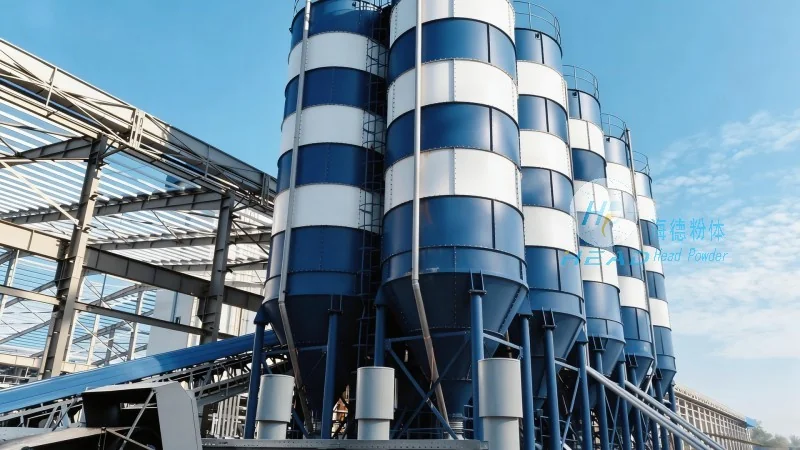
1. Air-Pneumatic Conveying Systems
Air-pneumatic conveying, also known as pneumatic conveying, is a widely used method for transporting sulfur powder due to its ability to handle fine powders and provide a closed system that minimizes dust exposure. This system operates by using compressed air to move the powder through a pipeline. There are two main types: pressure and vacuum systems. Pressure systems use positive pressure to push the powder from the source to the destination, while vacuum systems use negative pressure to pull the powder. For sulfur powder, which can be hygroscopic and prone to caking, pressure systems are often preferred as they can maintain a consistent flow and prevent moisture absorption. The closed pipeline design also helps in controlling dust and ensuring compliance with environmental regulations. However, pneumatic conveying can be energy-intensive, especially for long distances or high volumes, and may require regular maintenance of air compressors and filters. Additionally, the system's capacity is limited by the air velocity and pipeline diameter, which can affect the overall throughput.
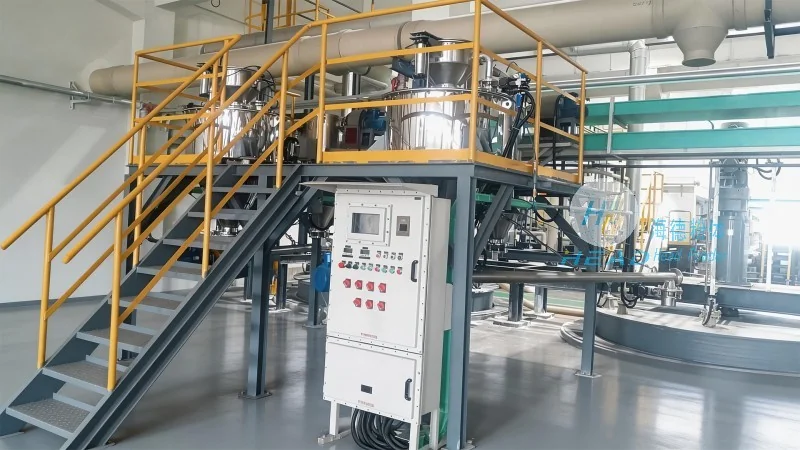
2. Screw Conveyors
Screw conveyors, also known as auger conveyors, are another common method for transporting sulfur powder. These systems consist of a rotating screw (auger) inside a trough or tube that moves the powder from one point to another. Screw conveyors are particularly suitable for horizontal or slightly inclined applications, as they can handle a wide range of powder types, including sulfur powder, without the need for additional components like belts or buckets. They are relatively simple in design, making them easy to install and maintain. The enclosed design of screw conveyors helps in containing dust and preventing contamination from external sources. One of the key advantages of screw conveyors is their ability to mix or blend different powders during transport, which can be beneficial in certain industrial processes. However, screw conveyors may not be suitable for very fine or cohesive powders, as they can experience blockages or reduced efficiency. The material of the screw and trough is critical, as sulfur powder can be abrasive and corrosive, potentially leading to wear and tear over time. Regular cleaning and maintenance are necessary to prevent clogging and ensure smooth operation.
3. Belt Conveyors
Belt conveyors are a popular choice for transporting larger quantities of sulfur powder, especially in bulk handling applications. These systems use a continuous belt that moves the powder along a path, often with idlers and pulleys to support and guide the belt. Belt conveyors are highly efficient for long distances and high throughput, making them ideal for industrial plants that require consistent and large-scale transport of sulfur powder. They are capable of handling a wide range of particle sizes and can be designed with different belt materials to suit the specific characteristics of sulfur powder, such as its abrasiveness or moisture content. The open design of belt conveyors allows for easy inspection and maintenance, and they can be integrated with other equipment like feeders or elevators to form a complete handling system. However, belt conveyors require more space compared to other methods and may be more susceptible to dust generation, especially if the belt is not properly sealed. The system also needs regular tensioning and replacement of the belt, which can add to the maintenance costs. Additionally, belt conveyors may not be suitable for very fine powders, as they can cause excessive wear on the belt and idlers.
4. Hydraulic Conveying
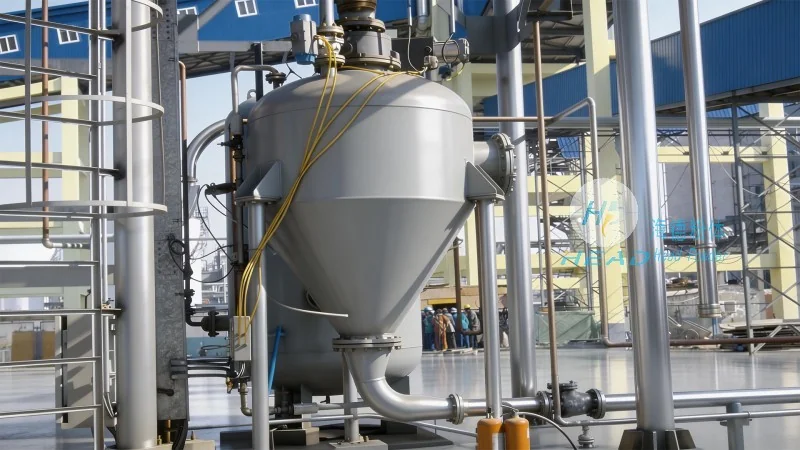
Hydraulic conveying is a less common but effective method for transporting sulfur powder, particularly in applications where other methods are not feasible. This system uses a liquid medium, typically water or a special fluid, to transport the powder through a pipeline. The powder is suspended in the liquid and moved by the flow of the fluid. Hydraulic conveying is often used for long distances and can handle very fine or abrasive powders. However, it requires a separate system for liquid management, including pumps, tanks, and filtration, which can increase the complexity and cost of the setup. The system also needs to be designed to prevent clogging and maintain the suspension of the powder, as any separation can lead to blockages. Additionally, hydraulic conveying may not be suitable for applications where the powder needs to be handled in a dry state, as the liquid must be removed before further processing. The environmental impact of hydraulic systems, particularly regarding water usage and disposal, is another factor to consider.
5. Comparing the Methods
When choosing a conveying method for sulfur powder, it is essential to consider several factors, including the powder's properties, the required throughput, the distance to be covered, and the available space and budget. Air-pneumatic systems are excellent for fine powders and require minimal space but can be energy-intensive. Screw conveyors are simple and effective for moderate volumes and horizontal transport but may struggle with cohesive powders. Belt conveyors are ideal for bulk handling and long distances but require more space and maintenance. Hydraulic systems are suitable for long distances and fine powders but are complex and require additional liquid management. Shandong HeadPowder Engineering Co., Ltd. offers customized solutions that take into account these factors, ensuring that the chosen conveying method is optimized for the specific needs of the industrial application. By understanding the advantages and limitations of each method, industries can select the most appropriate system to enhance efficiency, safety, and overall performance in sulfur powder handling.

 Công ty TNHH Kỹ thuật Công trình Bột Hải Đức Sơn Đông
 156-6277-7102(Quản lý Trương)
  0531-83386006
  Quận Chương Khâu, Thành phố Tế Nam, Tỉnh Sơn Đông, Trung Quốc
Điện thoại
WeChatTư vấn
Lên đầu