Công ty Hải Đức Bột với hơn 10 năm kinh nghiệm vận chuyển khí, cung cấp hệ thống‑thiết bị‑quạt gió và nhận dự án tổng thầu bột cả nước
Molybdenum oxide, a critical industrial material, requires efficient and reliable transportation methods to ensure consistent quality and safety in various applications. The choice of transportation method depends on factors such as material properties, processing scale, and operational environment. This article provides a detailed comparison of common molybdenum oxide transportation methods, highlighting their advantages, disadvantages, and suitability for different industrial scenarios.
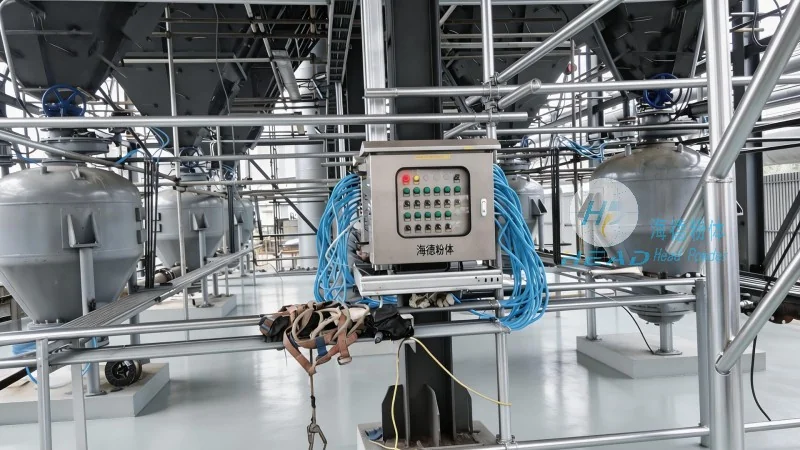
Piping Systems for Molybdenum Oxide Transportation
Piping systems are a traditional and widely used method for transporting molybdenum oxide, especially in large-scale industrial applications. This method involves the use of metal or plastic pipes to move the material from the source to the processing or storage location. The primary advantage of piping systems is their ability to handle high volumes of material with minimal loss and contamination. They are particularly effective for transporting molybdenum oxide in slurry or liquid form, where the material is mixed with a carrier fluid. However, piping systems require significant infrastructure investment, including the installation of pipelines, valves, and pumps. Maintenance costs can also be high due to the need for regular cleaning and inspection to prevent clogging or corrosion. Additionally, piping systems may not be suitable for transporting dry molybdenum oxide powders, as the material can easily settle and cause blockages. Overall, piping systems are ideal for applications where large-scale, continuous transportation is required, such as in mining and chemical processing plants.
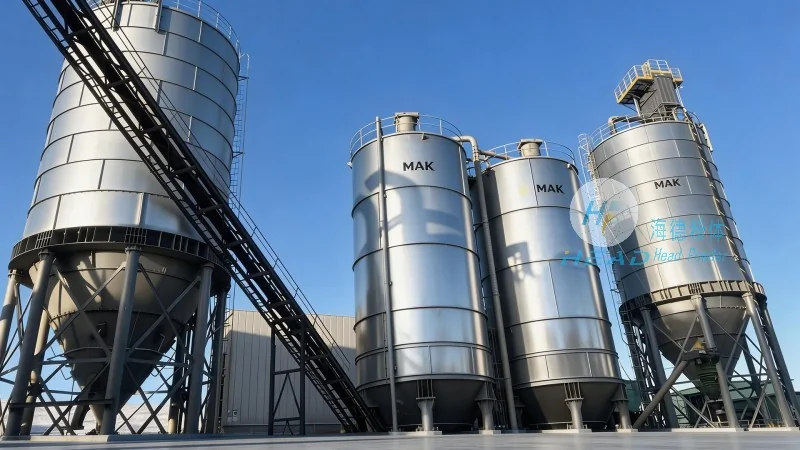
Pneumatic Conveying for Molybdenum Oxide Transportation
Pneumatic conveying is another common method for transporting molybdenum oxide, particularly for dry powders. This technique uses air pressure or vacuum to move the material through a pipeline. There are two main types of pneumatic conveying: pressure and vacuum systems. Pressure systems use compressed air to push the material forward, while vacuum systems use a vacuum to pull the material. The choice between the two depends on the distance and height of the transportation route. Pneumatic conveying offers several advantages, including the ability to transport dry molybdenum oxide without the need for a carrier fluid, which reduces processing costs and simplifies handling. It also allows for the transportation of materials over long distances and at high speeds. However, pneumatic conveying systems require more energy compared to other methods, as they need to maintain air pressure or vacuum. Additionally, the material can be subject to attrition during transportation, which may affect its quality. The system also needs to be designed carefully to prevent material buildup and ensure consistent flow. Pneumatic conveying is commonly used in applications where the material needs to be transported from a storage silo to a processing unit or from one production line to another.
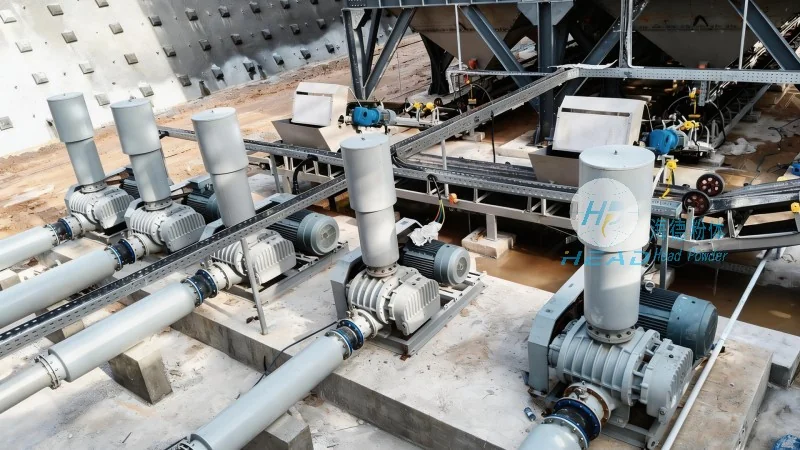
Mechanical Conveying for Molybdenum Oxide Transportation
Mechanical conveying methods, such as belt conveyors, screw conveyors, and bucket elevators, are widely used for transporting molybdenum oxide, especially in bulk handling operations. These systems use mechanical components to move the material along a fixed path. Belt conveyors are the most common type, consisting of a continuous belt that moves over rollers. They are suitable for transporting dry molybdenum oxide powders over short to medium distances. The primary advantage of belt conveyors is their simplicity and low maintenance cost. They can handle large volumes of material and are relatively easy to install and operate. However, belt conveyors may not be suitable for transporting materials with high moisture content or those that are prone to caking. Screw conveyors use a rotating screw to move the material through a tube. They are effective for transporting molybdenum oxide in a slurry or paste form, as the screw can mix and transport the material without the need for a carrier fluid. Screw conveyors are compact and can be installed in tight spaces, making them ideal for confined areas. However, they may experience wear and tear due to the abrasive nature of molybdenum oxide, requiring regular maintenance. Bucket elevators use buckets attached to a chain or belt to lift and transport the material vertically. They are commonly used in applications where the material needs to be elevated to a higher level, such as in storage silos or processing plants. The main advantage of bucket elevators is their ability to handle high volumes of material and maintain a consistent flow. However, they require more power compared to other mechanical conveying systems and may be prone to material spillage if not properly maintained.

 Công ty TNHH Kỹ thuật Công trình Bột Hải Đức Sơn Đông
 156-6277-7102(Quản lý Trương)
  0531-83386006
  Quận Chương Khâu, Thành phố Tế Nam, Tỉnh Sơn Đông, Trung Quốc
Điện thoại
WeChatTư vấn
Lên đầu