Công ty Hải Đức Bột với hơn 10 năm kinh nghiệm vận chuyển khí, cung cấp hệ thống‑thiết bị‑quạt gió và nhận dự án tổng thầu bột cả nước
Sodium chloride, commonly known as table salt, is a fundamental chemical compound used in various industrial and pharmaceutical applications. The efficient and reliable delivery of sodium chloride is crucial for maintaining consistent quality and process performance in production lines. This article provides a detailed comparison of common sodium chloride delivery methods, highlighting their advantages, limitations, and typical applications. The information is presented by Shandong HeadPowder Engineering Co., Ltd., a leading manufacturer specializing in chemical processing equipment based in Shandong, China.
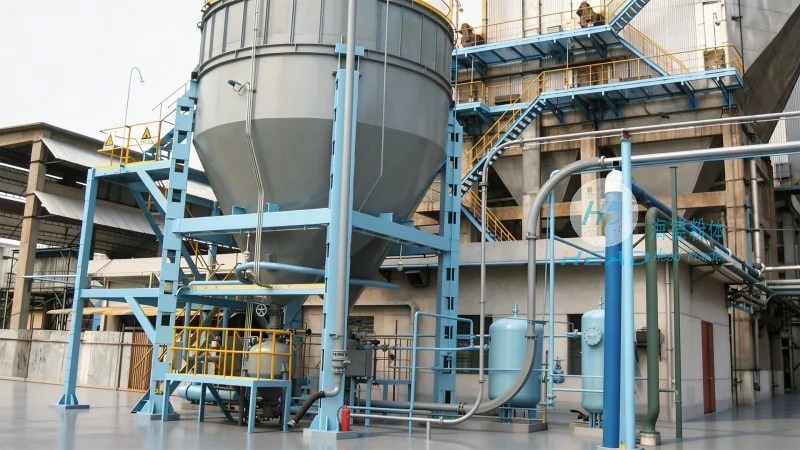
Overview of Key Delivery Methods
There are several primary methods used for transporting sodium chloride, each with distinct characteristics suited to different operational requirements. The most common approaches include bulk handling via pneumatic conveying, liquid pumping systems, and automated metering devices. Each method is designed to address specific challenges such as material flowability, moisture content, and process control needs.
Pneumatic Conveying Systems
Pneumatic conveying is a widely used method for transporting dry sodium chloride powder or granules. This technique involves transporting the material using a stream of air or other gas. The system typically consists of a hopper, a rotary valve, a conveyor line, and a receiver. The air pressure creates a flow that moves the sodium chloride through the pipeline. Pneumatic conveying offers advantages such as low maintenance, the ability to handle fine powders, and the option for long-distance transport. However, it may be less efficient for very wet or sticky materials and can be affected by changes in air pressure and temperature. Shandong HeadPowder Engineering Co., Ltd. provides customized pneumatic conveying solutions tailored to specific material characteristics and plant layouts.
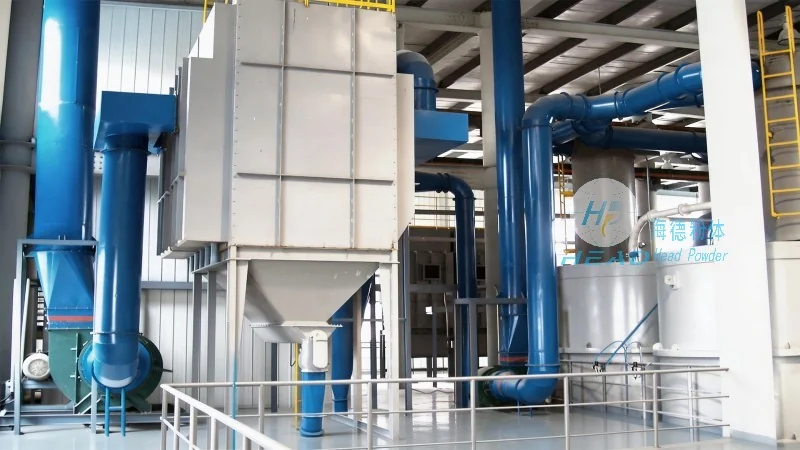
Liquid Pumping Systems
For applications requiring sodium chloride in a liquid form, such as brine solutions, liquid pumping systems are employed. These systems use pumps to move the sodium chloride solution through pipelines. Common types include centrifugal pumps, positive displacement pumps, and diaphragm pumps. The choice of pump depends on factors like viscosity, flow rate, and pressure requirements. Liquid pumping offers advantages like consistent flow rates, easy integration with process control systems, and the ability to handle high concentrations of sodium chloride. However, it requires proper sealing to prevent leakage and may need regular maintenance to ensure optimal performance. The company’s expertise in pump selection and system design ensures reliable operation for liquid sodium chloride delivery.
Automated Metering and Dosing Systems
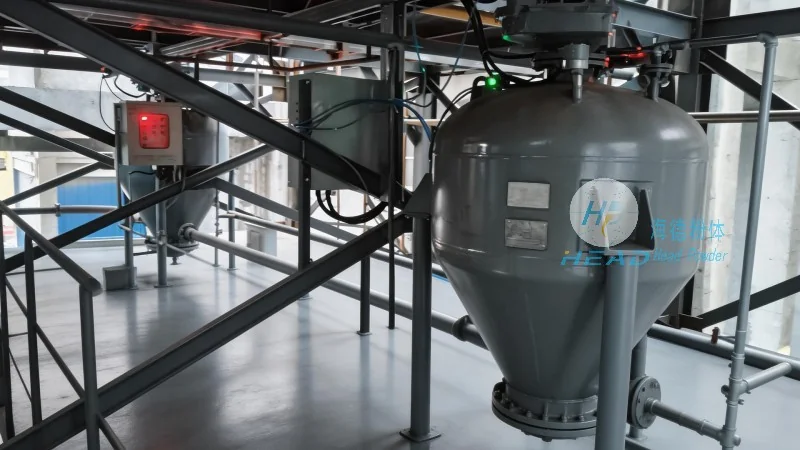
Automated metering systems are essential for precise control of sodium chloride dosage in processes like chemical synthesis, water treatment, and pharmaceutical manufacturing. These systems use flow meters, dosing pumps, and control valves to deliver sodium chloride at exact concentrations and flow rates. The technology allows for real-time monitoring and adjustment, ensuring compliance with process specifications and regulatory standards. Automated metering systems are particularly valuable in applications where accuracy and consistency are critical, such as in the production of pharmaceuticals or food additives. Shandong HeadPowder Engineering Co., Ltd. offers advanced metering solutions that integrate seamlessly with existing process control infrastructure, enhancing operational efficiency and product quality.
Comparison of Delivery Methods
When selecting a sodium chloride delivery method, several factors must be considered, including material properties, process requirements, and operational constraints. Pneumatic conveying is ideal for dry powders and bulk handling, while liquid pumping is suitable for solutions. Automated metering systems are essential for precise dosing. The choice of method impacts factors such as equipment cost, maintenance requirements, and energy consumption. For example, pneumatic systems may have lower initial costs but higher energy usage compared to liquid pumping. Automated metering systems, though more expensive upfront, provide long-term benefits through improved process control and reduced material waste.
Conclusion and Recommendations
Choosing the appropriate sodium chloride delivery method is critical for optimizing production efficiency and maintaining product quality. Shandong HeadPowder Engineering Co., Ltd. specializes in providing tailored delivery solutions that address the unique needs of each application. By evaluating factors such as material characteristics, flow requirements, and process control needs, industries can select the most effective delivery method. The company’s expertise in engineering and manufacturing ensures that clients receive reliable, efficient, and cost-effective sodium chloride delivery systems. Whether for bulk handling, liquid transport, or precise dosing, HeadPowder offers solutions that enhance operational performance and support long-term business success.

 Công ty TNHH Kỹ thuật Công trình Bột Hải Đức Sơn Đông
 156-6277-7102(Quản lý Trương)
  0531-83386006
  Quận Chương Khâu, Thành phố Tế Nam, Tỉnh Sơn Đông, Trung Quốc
Điện thoại
WeChatTư vấn
Lên đầu