Công ty Hải Đức Bột với hơn 10 năm kinh nghiệm vận chuyển khí, cung cấp hệ thống‑thiết bị‑quạt gió và nhận dự án tổng thầu bột cả nước
Managing dry sludge in wastewater treatment facilities requires robust and efficient transportation solutions. The choice of method significantly impacts operational efficiency, cost, and environmental compliance. This article explores the primary dry sludge transportation methods used in industrial and municipal settings, providing a comprehensive comparison to help facility managers and engineers select the most suitable option for their specific needs.
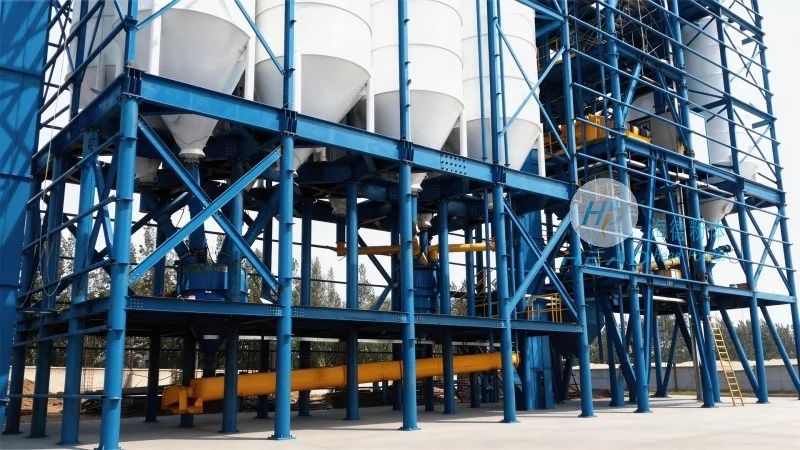
Key Considerations for Selecting Dry Sludge Transportation Methods
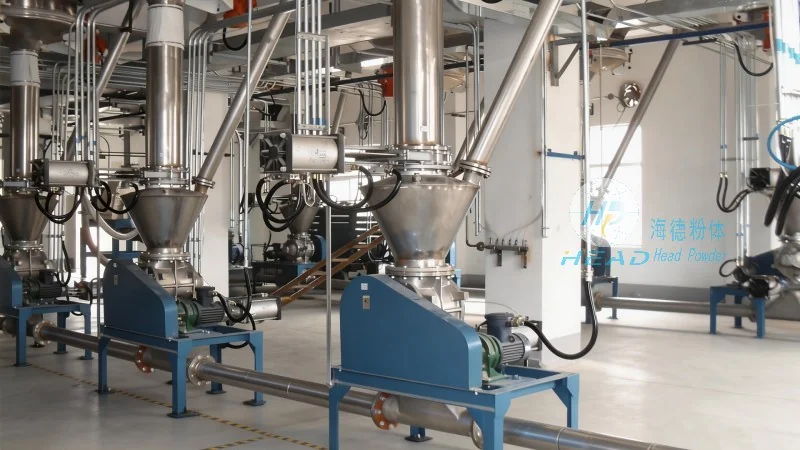
Before evaluating different transportation methods, it is essential to consider several factors that influence the decision-making process. These include the volume and consistency of the sludge, the distance to be transported, the required speed of delivery, and the environmental constraints of the site. Additionally, the availability of space, existing infrastructure, and budgetary limitations are critical in determining the feasibility of each method. Understanding these considerations helps in aligning the transportation solution with the overall operational goals of the facility.
Pipe Conveyor Systems
Pipe conveyor systems, also known as tube conveyors, are a widely used method for transporting dry sludge over long distances. This technology involves a flexible, continuous tube through which a conveyor belt or chain transports the material. The system is enclosed, which helps in containing dust and preventing environmental contamination. The primary advantages of pipe conveyors include high capacity, minimal space requirements, and the ability to operate in various environmental conditions. They are particularly suitable for horizontal and slight incline applications, making them ideal for connecting different parts of a treatment plant or transferring sludge to off-site disposal or processing facilities. The enclosed design also reduces the risk of odor and dust emissions, contributing to better air quality and compliance with environmental regulations. However, pipe conveyors may have higher initial installation costs and require specialized maintenance to ensure the integrity of the tube and the conveyor components. The system's performance is also dependent on the consistency of the sludge, as overly wet or sticky materials can cause blockages or reduced efficiency.
Screw Conveyors
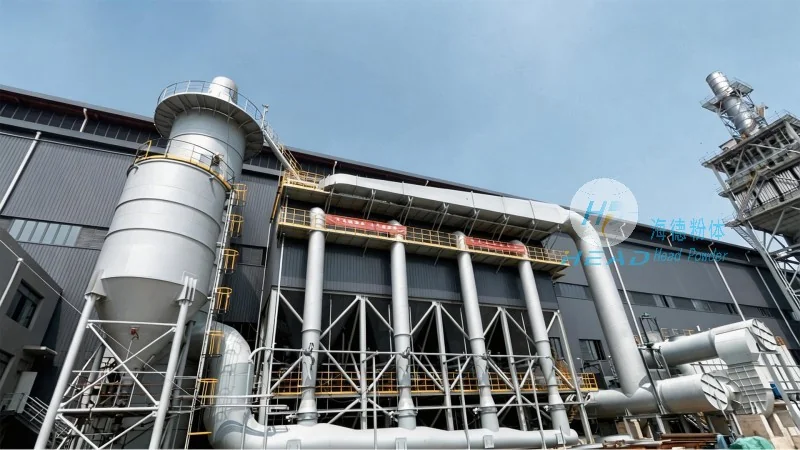
Screw conveyors, or auger conveyors, are another common method for transporting dry sludge, especially over shorter distances. These systems consist of a rotating screw (auger) inside a cylindrical tube, which moves the material along the length of the conveyor. Screw conveyors are relatively simple in design, making them cost-effective and easy to install. They are suitable for both horizontal and vertical transport, allowing for elevation changes without the need for additional equipment. The main advantages of screw conveyors include their compact size, low maintenance requirements, and ability to handle a wide range of materials, including those with varying consistencies. They are particularly effective for transporting dry, granular sludge that can be easily moved by the rotating screw. However, screw conveyors have limitations in terms of capacity and distance. They are generally limited to shorter transport distances (typically up to 30 meters horizontally or 10 meters vertically) and may experience reduced efficiency with very dry or abrasive materials. Additionally, the enclosed design can sometimes lead to overheating if the material is highly viscous, requiring proper cooling measures.
Air-Lift or Pneumatic Conveying Systems
Air-lift or pneumatic conveying systems use compressed air to transport dry sludge through a pipeline. This method involves creating a pressure differential that propels the material along the pipeline. Pneumatic conveyors are particularly useful for transporting sludge over longer distances and in complex layouts, as they can navigate changes in elevation and direction with minimal infrastructure. The primary advantages of this system include high flexibility, the ability to transport materials in a fully enclosed manner, and the reduction of manual handling, which enhances safety and operational efficiency. Pneumatic conveying is also suitable for handling materials that are difficult to transport by other means, such as those with high moisture content or sticky properties, as the air flow helps to break up agglomerates and maintain material flow. However, pneumatic systems have higher energy consumption compared to other methods, as they require continuous air pressure to move the material. The cost of compressed air and the potential for air leaks can increase operational expenses over time. Additionally, the system's performance is sensitive to the consistency of the sludge, as overly wet or dense materials may require higher air pressure or additional equipment to ensure proper transport.
Comparison of Dry Sludge Transportation Methods
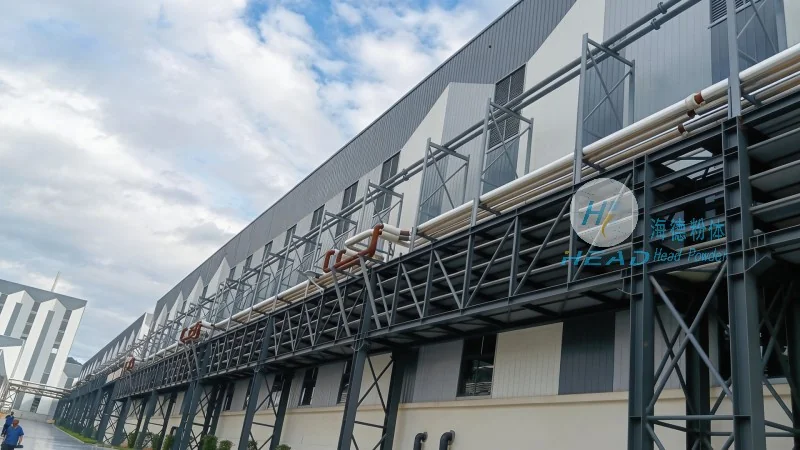
When comparing the different dry sludge transportation methods, several factors must be evaluated to determine the most appropriate solution. Pipe conveyors excel in long-distance, high-capacity applications with minimal space constraints, while screw conveyors are ideal for shorter distances and simpler layouts. Pneumatic systems offer flexibility and enclosed transport but come with higher energy costs. The choice of method also depends on the specific characteristics of the sludge, such as its moisture content, density, and particle size. For example, a facility with a high volume of dry, granular sludge might prefer a screw conveyor for its simplicity and cost-effectiveness, whereas a plant with long transport distances and complex layouts might opt for a pipe conveyor or pneumatic system. Additionally, environmental considerations play a significant role, as enclosed systems like pipe and pneumatic conveyors help in reducing dust and odor emissions, which is crucial for compliance with local regulations. The initial investment and long-term maintenance costs are also critical factors. Pipe conveyors and pneumatic systems may have higher upfront costs but lower maintenance requirements, while screw conveyors are more affordable initially but may require more frequent maintenance.

 Công ty TNHH Kỹ thuật Công trình Bột Hải Đức Sơn Đông
 156-6277-7102(Quản lý Trương)
  0531-83386006
  Quận Chương Khâu, Thành phố Tế Nam, Tỉnh Sơn Đông, Trung Quốc
Điện thoại
WeChatTư vấn
Lên đầu