Công ty Hải Đức Bột với hơn 10 năm kinh nghiệm vận chuyển khí, cung cấp hệ thống‑thiết bị‑quạt gió và nhận dự án tổng thầu bột cả nước
When it comes to efficiently transporting feed pellets in agricultural and feed manufacturing operations, selecting the right conveying method is crucial. The choice of equipment can significantly impact operational efficiency, cost-effectiveness, and the overall quality of the feed handling process. This article provides a detailed comparison of common feed pellet conveying methods, helping businesses make informed decisions based on their specific needs.
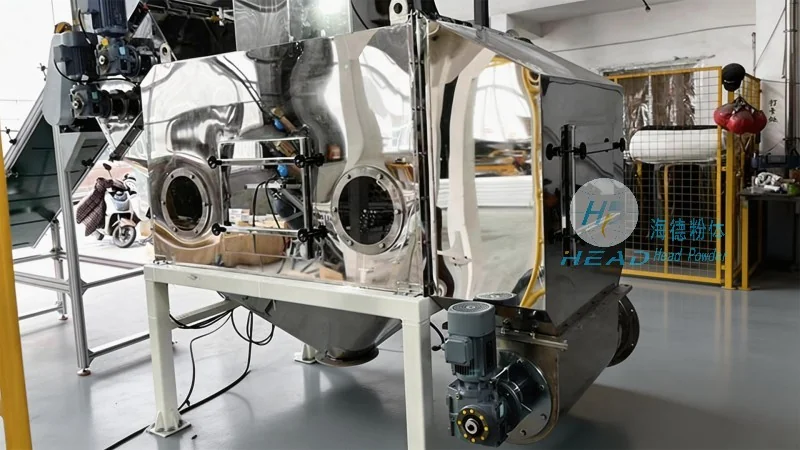
About HeadPowder Engineering
HeadPowder, a leading manufacturer in the feed processing industry, specializes in providing high-quality conveying solutions tailored to the unique requirements of feed production facilities. With years of experience and a commitment to innovation, HeadPowder offers reliable equipment that ensures smooth and efficient feed handling from production to distribution.
Screw Conveyors for Feed Pellets
Screw conveyors, also known as auger conveyors, are one of the most widely used methods for transporting feed pellets. These systems consist of a rotating helical screw inside a trough, which moves material along the length of the conveyor. Screw conveyors are particularly effective for horizontal or slightly inclined transport of pellets, making them ideal for applications where a gentle, continuous flow is required. They are often preferred for their simplicity, low maintenance, and ability to handle a wide range of pellet sizes and densities. However, screw conveyors may experience some material degradation due to friction and compression, and they are less suitable for long-distance or vertical transport.
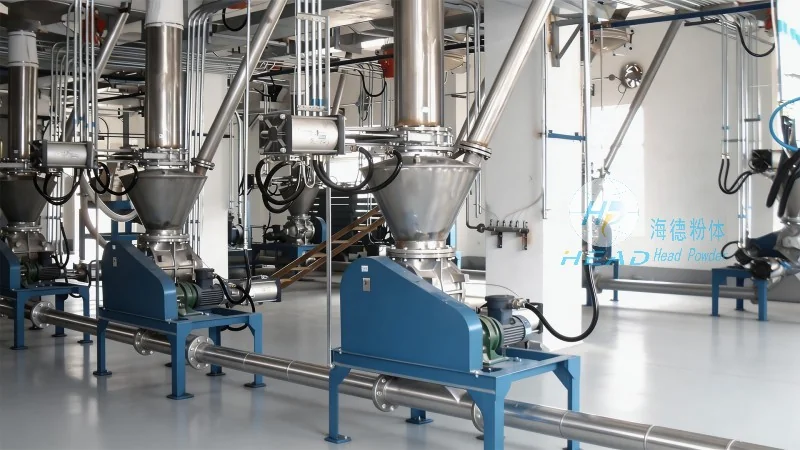
Air-Powered Conveying Systems
Air-powered or pneumatic conveying systems use compressed air to transport feed pellets through a network of pipes. These systems are highly versatile and can handle both horizontal and vertical transport over longer distances. There are two main types of pneumatic conveyors: positive displacement and negative pressure. Positive displacement systems push material through the pipe using a rotary valve or blower, while negative pressure systems draw material into the pipe using a vacuum. Air-powered conveyors offer advantages such as minimal product contamination, the ability to handle fragile pellets without breakage, and the flexibility to integrate with existing production lines. However, they require a significant amount of energy to operate and may be more complex to install and maintain compared to other methods.
Belt Conveyors for Pellet Transport
Belt conveyors use a continuous loop of material (usually rubber or synthetic) to move feed pellets. These systems are commonly used for horizontal and slight incline transport, particularly in bulk handling applications. Belt conveyors are known for their high capacity and ability to handle large volumes of pellets efficiently. They are often used in feed mills and processing plants where a steady, high-volume flow is needed. The main advantages of belt conveyors include durability, low maintenance, and the ability to transport pellets over longer distances with minimal energy consumption. However, they may not be as effective for vertical transport and can be more expensive to install compared to screw or pneumatic systems.
Comparative Analysis and Selection Guidelines
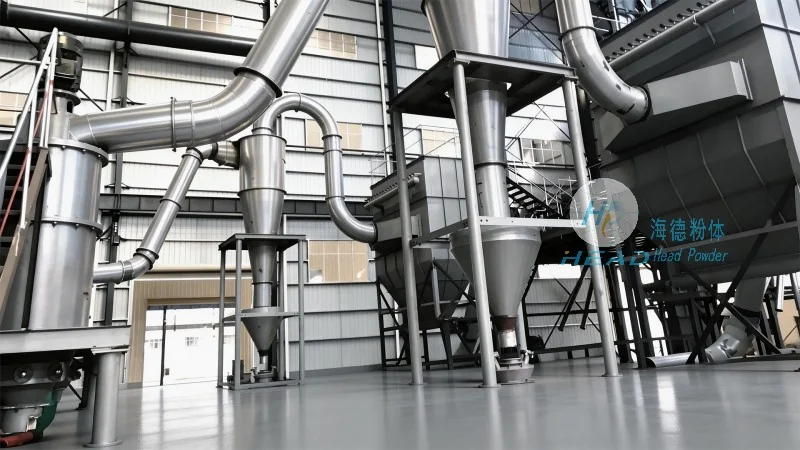
When choosing a feed pellet conveying method, several factors should be considered, including the distance to be covered, the volume of material to be transported, the required speed, and the nature of the pellets (e.g., size, moisture content, and fragility). Screw conveyors are generally the most cost-effective for short to medium distances and horizontal transport. Air-powered conveyors are ideal for longer distances or when product contamination must be minimized. Belt conveyors excel in high-volume, bulk handling applications. It is also important to consider the overall system integration, maintenance requirements, and energy efficiency of each method. By evaluating these factors, feed manufacturers can select the most suitable conveying solution that enhances operational efficiency and ensures the quality of their feed products.
Conclusion and Contact Information
HeadPowder Engineering, with its expertise in feed processing equipment, offers comprehensive conveying solutions to meet the diverse needs of the feed industry. Whether you require a screw conveyor, pneumatic system, or belt conveyor, our team of professionals can provide tailored recommendations and high-quality equipment to optimize your feed handling operations. For more information or to discuss your specific conveying requirements, please contact us at our office in Shandong, China.

 Công ty TNHH Kỹ thuật Công trình Bột Hải Đức Sơn Đông
 156-6277-7102(Quản lý Trương)
  0531-83386006
  Quận Chương Khâu, Thành phố Tế Nam, Tỉnh Sơn Đông, Trung Quốc
Điện thoại
WeChatTư vấn
Lên đầu