Công ty Hải Đức Bột với hơn 10 năm kinh nghiệm vận chuyển khí, cung cấp hệ thống‑thiết bị‑quạt gió và nhận dự án tổng thầu bột cả nước
When it comes to handling fish meal, the choice of conveying method is critical for efficiency, cost-effectiveness, and operational safety. Shandong HeadPowder Engineering Co., Ltd., a leading manufacturer based in Shandong, China, specializes in providing tailored solutions for fish meal processing and handling. This article explores the most common fish meal conveying methods, analyzing their advantages and disadvantages to help businesses make informed decisions.
Understanding Fish Meal Conveying: The Foundation of Efficient Processing
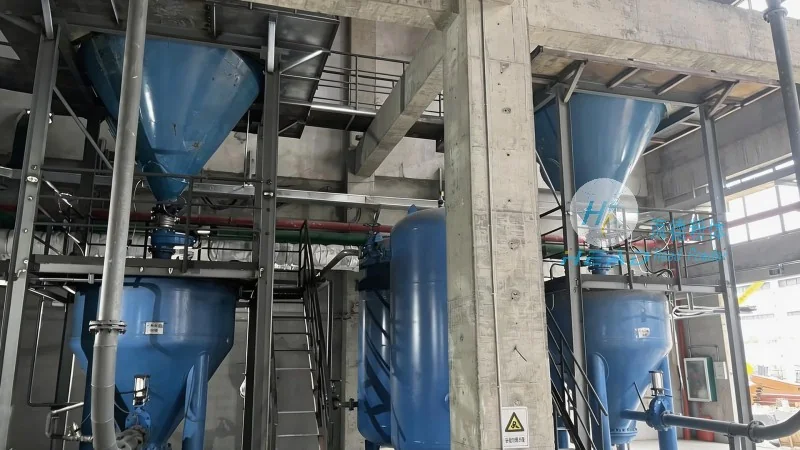
Fish meal, a valuable byproduct of the fishing industry, is widely used in animal feed, aquaculture, and other industrial applications. Efficient conveyance is essential to maintain product quality, minimize waste, and ensure smooth production flow. Conveying systems must handle the unique properties of fish meal, such as its moisture content, particle size, and tendency to clump or stick to surfaces. The right method can significantly impact operational costs, labor requirements, and overall productivity.
Method 1: Screw Conveyors (Auger Conveyors)
Screw conveyors, also known as auger conveyors, are one of the most widely used methods for transporting fish meal. These systems consist of a rotating helical screw inside a cylindrical tube, which moves material from one point to another through gravity or mechanical force. The primary advantage of screw conveyors is their simplicity and low maintenance requirements. They are ideal for horizontal or slightly inclined transport, making them suitable for short to medium distances. Additionally, screw conveyors can handle a wide range of materials, including those with varying moisture levels, without the need for additional equipment. However, their limitations become apparent when dealing with large volumes or high-temperature materials. The rotating screw can cause friction and heat buildup, potentially damaging the fish meal's nutritional value. Moreover, screw conveyors are not suitable for vertical transport over long distances due to the risk of material degradation and increased energy consumption.
Method 2: Pneumatic Conveying Systems
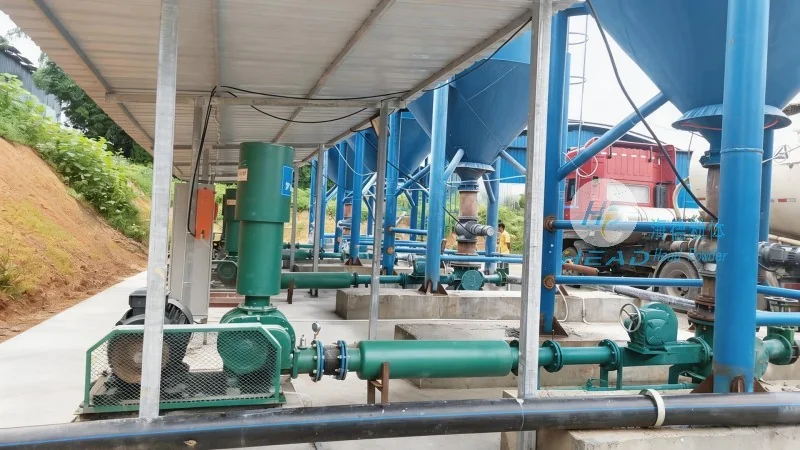
Pneumatic conveying, or air-powered transport, is another popular method for moving fish meal. This system uses compressed air to push or pull material through a pipeline. There are two main types: pressure and vacuum systems. Pressure systems are suitable for short to medium horizontal distances, while vacuum systems are better for longer distances or when material needs to be collected from multiple points. The key advantage of pneumatic conveying is its ability to handle fine powders and prevent product contamination. It also allows for enclosed transport, which helps maintain hygiene and reduces dust exposure. However, pneumatic systems have higher energy consumption compared to mechanical methods. The cost of compressed air and the need for robust pipeline systems can increase operational expenses. Furthermore, the system's efficiency can be affected by the moisture content of the fish meal, as high moisture levels may cause clogging or reduced flow rates.
Method 3: Belt Conveyors
Belt conveyors are a classic solution for transporting bulk materials, including fish meal. These systems use a continuous belt looped over two or more pulleys, with the material placed on the belt and carried to the destination. Belt conveyors are highly effective for long-distance horizontal transport and can handle large volumes with minimal labor. They are also relatively easy to install and maintain, making them a cost-effective option for many applications. The main advantage of belt conveyors is their ability to transport materials over significant distances without the need for intermediate transfers. However, their design is not suitable for vertical lifting or steep inclines. The belt can also be susceptible to damage from heavy or abrasive materials, which may require more frequent replacement. Additionally, belt conveyors may not be ideal for fine powders, as they can cause dust accumulation and require additional dust control measures.
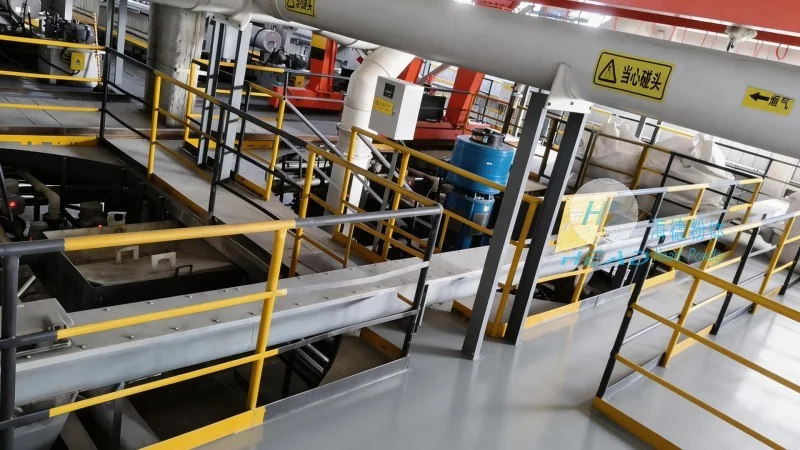
Method 4: Bucket Elevators
Bucket elevators are specifically designed for vertical or steeply inclined transport of bulk materials. These systems use a series of buckets attached to a chain or belt, which moves material up or down a vertical or inclined shaft. Bucket elevators are particularly useful for moving fish meal from storage silos to processing equipment or for elevating material to higher levels in a facility. The primary advantage of bucket elevators is their high vertical lifting capacity and efficiency. They can transport large volumes of material with minimal energy consumption compared to other vertical lifting methods. However, their design is complex and requires regular maintenance to ensure smooth operation. The buckets and chains are subject to wear and tear, which can lead to downtime if not properly maintained. Additionally, bucket elevators may not be suitable for very fine or sticky fish meal, as the material can stick to the buckets and cause blockages.
Comparing the Methods: Which is Right for Your Business?
Each conveying method has its strengths and weaknesses, and the best choice depends on the specific requirements of the fish meal processing operation. Shandong HeadPowder Engineering Co., Ltd. offers a range of conveying solutions tailored to meet these needs, ensuring optimal performance and cost-effectiveness. When selecting a system, businesses should consider factors such as the distance and direction of transport, the volume and characteristics of the fish meal, and the available budget. For short horizontal distances with simple material handling, screw conveyors may be the most economical choice. For enclosed transport and fine powders, pneumatic systems are often preferred. For long horizontal runs, belt conveyors provide reliable performance. For vertical lifting, bucket elevators offer high efficiency. By understanding the advantages and disadvantages of each method, businesses can make informed decisions that enhance operational efficiency and product quality.
Conclusion: Partnering with HeadPowder for Effective Conveying Solutions
Efficient fish meal conveying is essential for maintaining product integrity and optimizing production processes. Shandong HeadPowder Engineering Co., Ltd. specializes in providing high-quality conveying systems that meet the unique needs of the fish meal industry. With years of experience and a commitment to innovation, HeadPowder offers tailored solutions that enhance operational efficiency, reduce costs, and ensure compliance with industry standards. Whether you need a screw conveyor, pneumatic system, belt conveyor, or bucket elevator, HeadPowder provides reliable, durable equipment designed to withstand the demands of fish meal processing. By choosing HeadPowder, businesses can ensure smooth, efficient, and safe fish meal handling, ultimately improving their bottom line and competitive edge in the market.

 Công ty TNHH Kỹ thuật Công trình Bột Hải Đức Sơn Đông
 156-6277-7102(Quản lý Trương)
  0531-83386006
  Quận Chương Khâu, Thành phố Tế Nam, Tỉnh Sơn Đông, Trung Quốc
Điện thoại
WeChatTư vấn
Lên đầu