Công ty Hải Đức Bột với hơn 10 năm kinh nghiệm vận chuyển khí, cung cấp hệ thống‑thiết bị‑quạt gió và nhận dự án tổng thầu bột cả nước
White ash, a crucial byproduct in industrial processes, requires efficient and reliable conveying systems to ensure smooth material handling and operational efficiency. The choice of conveying method significantly impacts production costs, safety, and overall system performance. This article provides a detailed comparison of common white ash conveying methods, highlighting their advantages and disadvantages to help industrial facilities select the most suitable solution for their specific needs.
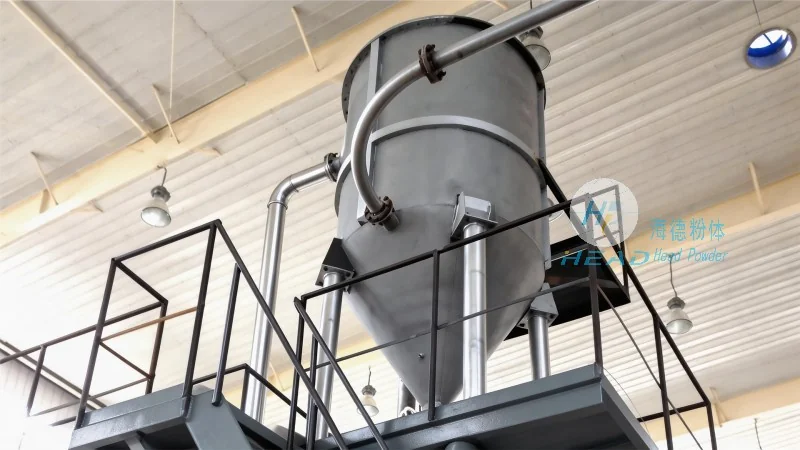
Introduction to White Ash Conveying Systems
White ash, often generated from combustion processes in power plants, cement factories, and other industrial operations, poses unique challenges during transportation due to its fine particle size, dustiness, and potential for caking. Conveying systems must be designed to handle these characteristics while minimizing material loss, ensuring worker safety, and maintaining system longevity. The selection of a conveying method depends on factors such as material properties, distance, throughput requirements, and environmental regulations.
1. Pneumatic Conveying Systems
Pneumatic conveying, also known as air-pneumatic or air-conveying, is a widely used method for transporting white ash due to its ability to handle fine powders and dust. This system utilizes compressed air to move material through a pipeline, offering several advantages. One key benefit is the ability to transport material over long distances without the need for multiple transfer points, which simplifies system design and reduces maintenance. Additionally, pneumatic systems can handle high throughput rates, making them suitable for large-scale industrial applications. The enclosed pipeline design also minimizes dust emissions, improving workplace safety and compliance with environmental regulations.
However, pneumatic conveying has notable disadvantages. The primary drawback is the high energy consumption associated with compressed air, which can increase operational costs. The system also requires careful design to prevent material blockages or "plugging," which can lead to system downtime. Furthermore, the initial investment for pneumatic equipment, including air compressors and pipeline infrastructure, is generally higher compared to other methods. Maintenance of these systems, particularly the air filtration and compression components, adds to long-term operational expenses.
2. Screw Conveyors
Screw conveyors, also called auger conveyors, are another common method for transporting white ash. These systems use a rotating screw or auger to move material along a trough or tube. Screw conveyors are particularly effective for handling bulk materials with moderate to high bulk densities and are relatively simple in design. A significant advantage of screw conveyors is their low energy consumption compared to pneumatic systems, as they rely on mechanical power rather than compressed air. This makes them more cost-effective for shorter conveying distances and lower throughput rates. Screw conveyors also offer a compact design, which is beneficial in facilities with limited space.
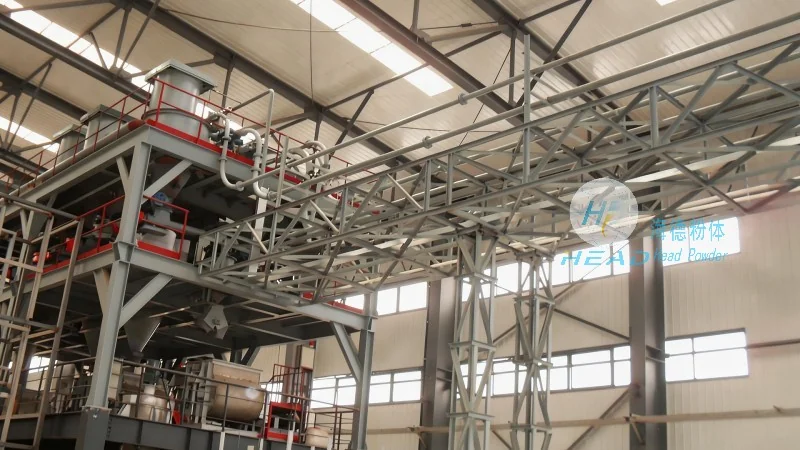
Despite these advantages, screw conveyors have several limitations. The primary disadvantage is their inability to handle fine, dusty materials effectively, as the rotating screw can cause material to stick or clog, leading to blockages. This is especially problematic with white ash, which tends to cake or adhere to the screw surface. Additionally, screw conveyors are not suitable for long-distance transport, as material can degrade or lose its flowability over extended distances. The system also requires regular maintenance to prevent wear and tear on the screw and trough, which can increase operational costs over time.
3. Belt Conveyors
Belt conveyors are a popular choice for transporting white ash over medium to long distances, especially in applications where bulk material handling is required. These systems consist of a continuous belt that moves material from one point to another, often supported by rollers or idlers. Belt conveyors offer several advantages, including high throughput rates and the ability to transport material over long distances without intermediate transfers. They are also relatively simple to install and maintain, making them a cost-effective solution for many industrial facilities. Belt conveyors can handle a wide range of material types, including white ash, and are less prone to material blockages compared to screw or pneumatic systems.
However, belt conveyors have their own set of disadvantages. One major drawback is their susceptibility to material spillage and dust emissions, which can affect workplace safety and environmental compliance. The system also requires regular cleaning and maintenance to prevent material buildup on the belt and rollers, which can reduce efficiency and increase wear. Additionally, belt conveyors are not suitable for vertical or steep incline transport, as the belt may slip or the material may fall off. The initial investment for belt conveyor systems, including the belt itself and supporting structures, can be significant, especially for large-scale applications.
4. Hydraulic Conveying Systems
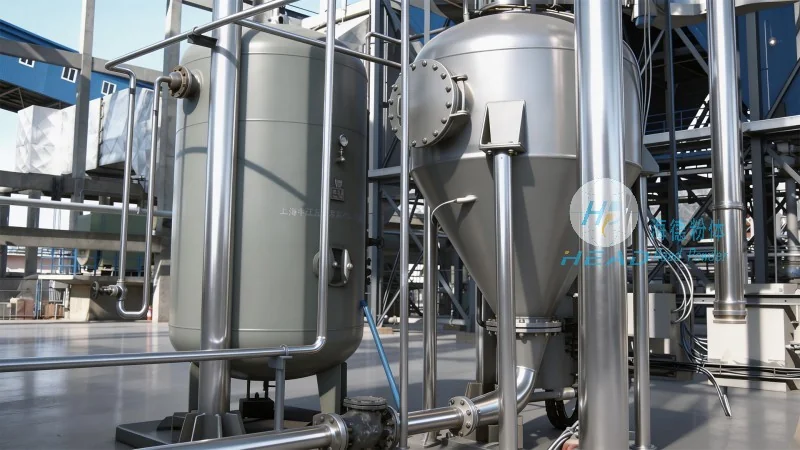
Hydraulic conveying systems use water or other liquids to transport white ash, typically in a slurry form. This method is particularly effective for handling wet or sticky materials, as the liquid helps to keep the material suspended and prevent caking. Hydraulic systems are often used in applications where the ash is generated in a wet state, such as in some power plants or cement factories. A key advantage of hydraulic conveying is its ability to handle high volumes of material with relatively low energy consumption compared to pneumatic systems. The system also provides a closed-loop operation, which minimizes water loss and reduces environmental impact.
Nevertheless, hydraulic conveying has several limitations. The primary disadvantage is the need for a separate water treatment system to recycle and reuse the liquid, which adds to operational complexity and costs. The system is also less suitable for transporting dry white ash, as the material may settle out of the slurry, leading to blockages or uneven flow. Additionally, hydraulic systems require regular maintenance to prevent corrosion and wear on the pipes and pumps, which can increase long-term expenses. The initial investment for hydraulic equipment, including pumps and filtration systems, is also higher compared to other methods.
Conclusion: Selecting the Right Conveying Method
Choosing the appropriate white ash conveying method requires careful consideration of several factors, including material properties, distance, throughput, and budget constraints. Pneumatic systems excel in long-distance, high-throughput applications but come with higher energy costs. Screw conveyors are ideal for shorter distances and moderate throughput but struggle with fine materials. Belt conveyors offer versatility for medium distances but require regular maintenance to control dust and spillage. Hydraulic systems are best suited for wet or sticky materials but involve additional water treatment requirements.
For industrial facilities seeking reliable and efficient white ash conveying solutions, Shandong HeadPowder Engineering Co., Ltd. (headpowder) provides expert consultation and customized system design. With years of experience in material handling, the company offers tailored solutions that address specific operational needs while optimizing performance and cost-effectiveness. By understanding the advantages and disadvantages of each conveying method, facilities can make informed decisions to enhance their material handling processes and ensure long-term operational success.

 Công ty TNHH Kỹ thuật Công trình Bột Hải Đức Sơn Đông
 156-6277-7102(Quản lý Trương)
  0531-83386006
  Quận Chương Khâu, Thành phố Tế Nam, Tỉnh Sơn Đông, Trung Quốc
Điện thoại
WeChatTư vấn
Lên đầu