Công ty Hải Đức Bột với hơn 10 năm kinh nghiệm vận chuyển khí, cung cấp hệ thống‑thiết bị‑quạt gió và nhận dự án tổng thầu bột cả nước
When it comes to the efficient and reliable transportation of polyurethane (PUR) materials in industrial applications, selecting the right conveying method is crucial. Different methods offer varying benefits and drawbacks, depending on factors such as material properties, production scale, and operational environment. This article provides a detailed comparison of common PUR conveying methods, highlighting their advantages and disadvantages to help industrial operators make informed decisions.
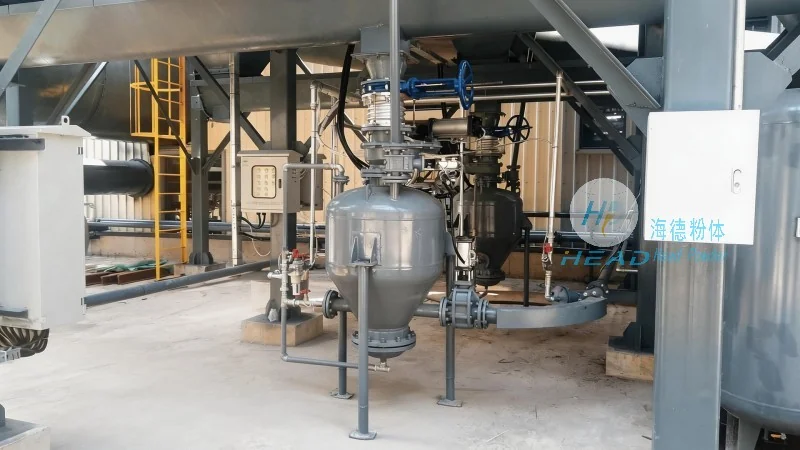
PUR Conveying Methods Overview
PUR materials, known for their flexibility, durability, and resistance to chemicals, are widely used in various sectors including construction, automotive, and manufacturing. The choice of conveying method directly impacts production efficiency, material quality, and operational costs. Common methods include screw conveyors, pneumatic conveyors, and gravity chutes, each with distinct characteristics.
Screw Conveyors: Advantages and Disadvantages
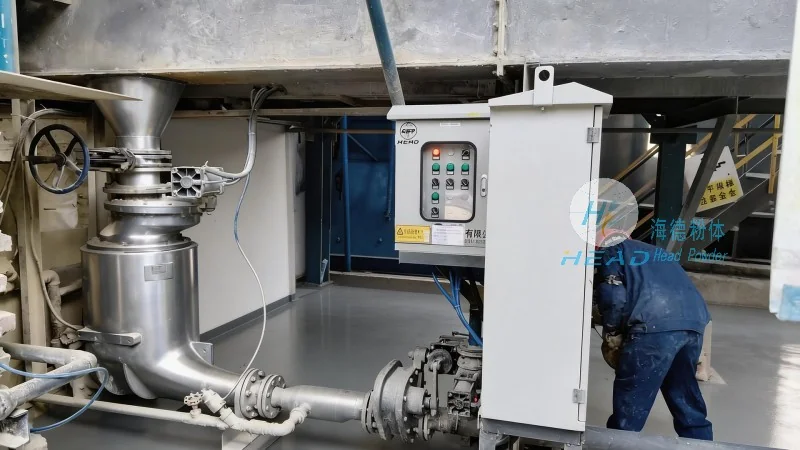
Screw conveyors, also known as auger conveyors, are among the most widely used equipment for transporting bulk materials, including PUR. They operate by rotating a helical screw within a trough, moving material from one end to another. The primary advantage of screw conveyors is their simplicity and low maintenance requirements. They are suitable for a wide range of materials, including those with varying moisture content and particle sizes. Additionally, screw conveyors can be easily integrated into existing production lines and are relatively inexpensive to install and maintain.
However, screw conveyors have several limitations. One major drawback is their inefficiency with sticky or highly abrasive materials, as these can cause the screw and trough to wear out quickly. Moreover, they are not suitable for vertical lifting of large quantities of material due to the high torque required. Another disadvantage is that they may cause material degradation through friction, especially for sensitive PUR formulations. The design also limits the ability to handle materials with high moisture content, as the screw may not effectively dewater the material.
Pneumatic Conveyors: Advantages and Disadvantages
Pneumatic conveyors use air or gas to transport materials through a pipeline system. They are particularly effective for transporting fine powders and granules, including PUR. The main advantage of pneumatic conveyors is their ability to handle materials with high moisture content or those that are sensitive to mechanical stress. They can transport materials over long distances and vertical heights without the need for additional equipment. Pneumatic systems also offer flexibility in layout, as they can be easily reconfigured to adapt to changing production needs.
Despite these benefits, pneumatic conveyors have significant drawbacks. One of the most critical is their high energy consumption, as they require powerful air compressors to generate the necessary pressure. This leads to higher operational costs, especially for continuous operation. Another disadvantage is the potential for material degradation due to the high velocity of air, which can cause attrition and break down the PUR structure. Additionally, pneumatic systems are prone to blockages if the material is too fine or has high moisture content, leading to system downtime and maintenance issues.
Gravity Chutes: Advantages and Disadvantages
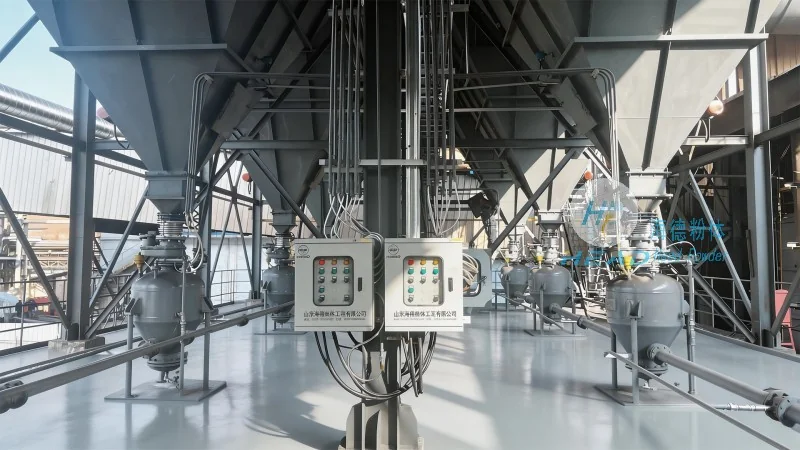
Gravity chutes rely on the natural force of gravity to move materials from a higher to a lower level. They are simple, low-cost solutions for transporting materials with a sufficient angle of repose. The primary advantage of gravity chutes is their minimal energy consumption, as they do not require any mechanical or pneumatic power. They are also easy to install and maintain, with no moving parts that can wear out or break. Gravity chutes are particularly suitable for materials that are free-flowing and non-abrasive, such as certain types of PUR granules.
However, gravity chutes have significant limitations. They are only effective for transporting materials over short vertical distances and are not suitable for long horizontal or vertical runs. The design also requires a steep incline, which may not be feasible in many industrial settings due to space constraints. Another disadvantage is their inability to handle materials with high moisture content or those that are sticky, as the material may not flow properly down the chute. Additionally, gravity chutes are not suitable for materials that are prone to segregation or that require mixing during transport.
Choosing the Right PUR Conveying Method
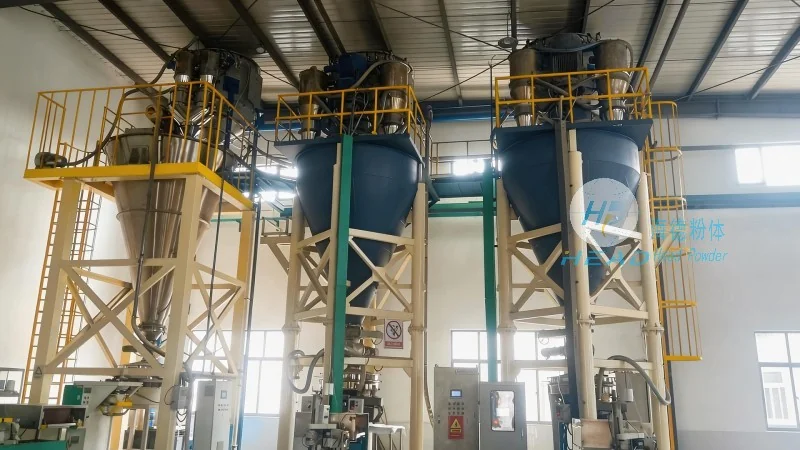
When selecting a PUR conveying method, industrial operators must consider several factors, including the material's physical properties, production volume, and operational environment. For example, screw conveyors are ideal for handling bulk PUR materials with moderate moisture content and particle sizes. Pneumatic conveyors are better suited for fine PUR powders or those that require long-distance transport. Gravity chutes are suitable for short-distance, low-volume applications where energy efficiency is a priority.
It is also important to evaluate the long-term costs, including maintenance, energy consumption, and potential material degradation. Companies should consider the specific requirements of their production process and consult with equipment manufacturers to ensure the chosen method meets all operational needs.
About HeadPowder: Your Trusted Partner in PUR Conveying Solutions
Shandong HeadPowder Engineering Co., Ltd., a leading manufacturer based in Shandong, China, specializes in providing high-quality conveying equipment and solutions for the polyurethane industry. With years of experience and a commitment to innovation, HeadPowder offers a range of products tailored to meet the diverse needs of industrial applications. The company's expertise in PUR material handling ensures that clients receive reliable and efficient conveying systems that enhance productivity and reduce operational costs.
HeadPowder's team of engineers and technicians work closely with clients to understand their specific requirements and develop customized solutions. Whether it's a screw conveyor, pneumatic system, or gravity chute, the company ensures that each product is designed and manufactured to meet the highest standards of quality and performance. By choosing HeadPowder, industrial operators can trust that they are investing in durable, efficient, and reliable PUR conveying equipment that will support their production processes for years to come.

 Công ty TNHH Kỹ thuật Công trình Bột Hải Đức Sơn Đông
 156-6277-7102(Quản lý Trương)
  0531-83386006
  Quận Chương Khâu, Thành phố Tế Nam, Tỉnh Sơn Đông, Trung Quốc
Điện thoại
WeChatTư vấn
Lên đầu