Công ty Hải Đức Bột với hơn 10 năm kinh nghiệm vận chuyển khí, cung cấp hệ thống‑thiết bị‑quạt gió và nhận dự án tổng thầu bột cả nước
Battery anode materials, such as graphite, silicon, and lithium iron phosphate, are critical components in modern lithium-ion batteries. The efficient and reliable transport of these materials from production to processing stages is essential for maintaining production efficiency and product quality. Various conveying methods are employed in the battery material processing industry, each with distinct advantages and limitations. This article provides a detailed comparison of common battery anode material conveying methods, focusing on their operational principles, performance characteristics, and suitability for different production scenarios.
About HeadPowder
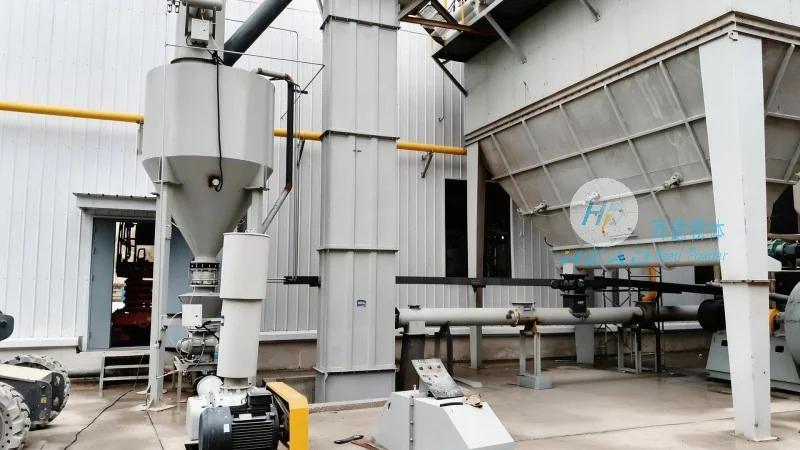
HeadPowder, a leading manufacturer based in Shandong, China, specializes in providing high-quality conveying solutions for the battery material processing sector. With years of experience and a commitment to innovation, HeadPowder offers tailored equipment to meet the diverse needs of battery manufacturers. The company’s products are designed to ensure safe, efficient, and cost-effective material handling, supporting the entire production chain from raw material input to final product output.
Screw Conveyors for Battery Anode Materials
Screw conveyors are one of the most widely used methods for transporting bulk materials, including battery anode powders. These systems consist of a rotating screw (or auger) inside a U-shaped or cylindrical tube. As the screw rotates, it pushes the material forward along the conveyor path. Screw conveyors are particularly suitable for handling dry, free-flowing powders like graphite and lithium iron phosphate. They offer advantages such as compact design, low maintenance requirements, and the ability to operate in vertical or inclined configurations. However, they may face challenges with sticky or cohesive materials, which can cause blockages or reduced efficiency. HeadPowder’s screw conveyors are engineered with durable materials and advanced sealing systems to prevent material leakage and ensure smooth operation under various conditions.
Air-Pneumatic Conveying Systems
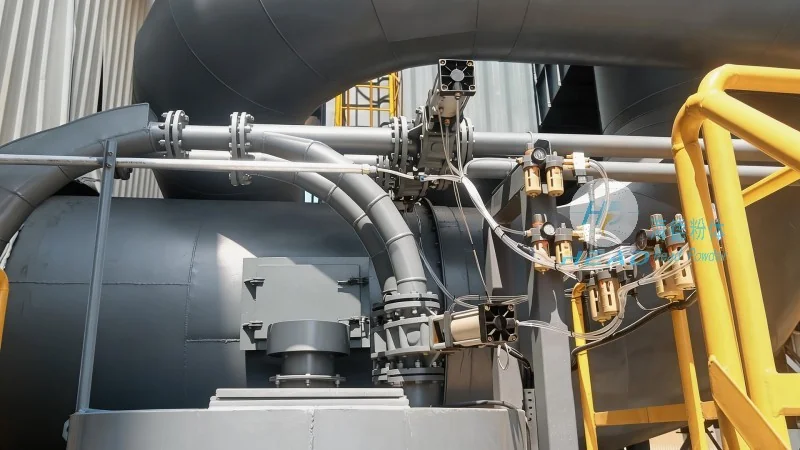
Air-pneumatic conveying, also known as pneumatic transport, uses compressed air to move materials through a pipeline. This method is ideal for transporting fine powders over long distances or between different processing stages. The system typically includes a hopper, a blower, and a pipeline network. The material is drawn into the pipeline by the air flow, and the air velocity is carefully controlled to prevent particle degradation or segregation. Pneumatic conveying offers advantages like high throughput, minimal material degradation, and the ability to handle multiple material types simultaneously. However, it requires higher energy consumption compared to mechanical conveyors and may be less suitable for very fine or abrasive powders that could cause wear on the pipeline. HeadPowder’s pneumatic conveying solutions are designed with high-efficiency blowers and robust pipeline materials to ensure reliable and efficient material transport.
Vibrating Conveyors
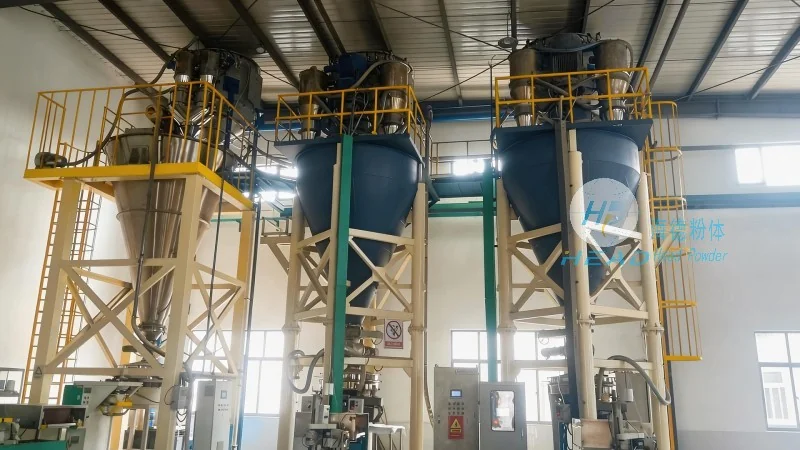
Vibrating conveyors utilize vibrations to move materials along a trough. The conveyor bed is mounted on a frame and vibrated at specific frequencies and amplitudes, causing the material to move forward due to the combination of gravity and vibration forces. This method is effective for handling a wide range of materials, including cohesive or sticky powders that may cause blockages in other systems. Vibrating conveyors are particularly useful for applications requiring gentle material handling, such as transporting sensitive anode materials that could be damaged by high impact or friction. They offer advantages like low power consumption, simple design, and the ability to operate in horizontal or slight inclined configurations. However, they may have lower throughput compared to screw or pneumatic conveyors and require regular maintenance of the vibration mechanism. HeadPowder’s vibrating conveyors are equipped with adjustable vibration parameters to optimize performance for different material types and production requirements.
Comparison and Selection Guidelines
When selecting a conveying method for battery anode materials, several factors must be considered, including material properties, production scale, distance, and operational environment. Screw conveyors are a cost-effective option for short-distance, vertical or inclined transport of dry, free-flowing powders. Pneumatic conveying is preferred for long-distance transport or when material degradation must be minimized. Vibrating conveyors are ideal for handling cohesive or sensitive materials that require gentle transport. HeadPowder provides comprehensive solutions, including custom-designed conveyors and integrated systems, to address the specific needs of battery manufacturers. By understanding the advantages and limitations of each method, manufacturers can choose the most suitable conveying solution to enhance production efficiency, ensure product quality, and reduce operational costs.

 Công ty TNHH Kỹ thuật Công trình Bột Hải Đức Sơn Đông
 156-6277-7102(Quản lý Trương)
  0531-83386006
  Quận Chương Khâu, Thành phố Tế Nam, Tỉnh Sơn Đông, Trung Quốc
Điện thoại
WeChatTư vấn
Lên đầu