Công ty Hải Đức Bột với hơn 10 năm kinh nghiệm vận chuyển khí, cung cấp hệ thống‑thiết bị‑quạt gió và nhận dự án tổng thầu bột cả nước
When handling polyethylene resin powder, selecting the right conveying method is crucial for efficiency, material integrity, and operational safety. The choice of system depends on factors such as material properties, production scale, and facility layout. This article provides a detailed comparison of common polyethylene resin powder conveying methods, highlighting their advantages, limitations, and typical applications. By understanding these options, manufacturers can make informed decisions to optimize their material handling processes.
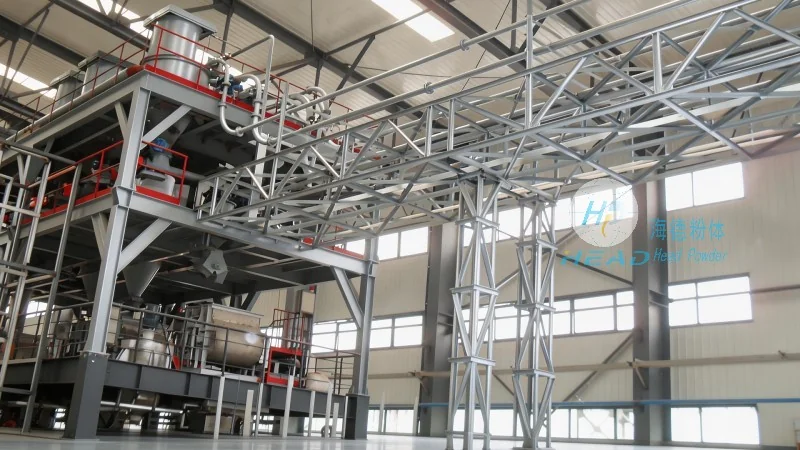
1. Screw Conveyors for Polyethylene Resin Powder
One of the most traditional and widely used methods for transporting polyethylene resin powder is the screw conveyor. This equipment consists of a rotating helical screw within a trough, which moves material from one point to another through gravitational force and friction. Screw conveyors are particularly effective for handling free-flowing powders like polyethylene resin, as they can maintain a consistent flow rate and minimize material degradation. They are also relatively low-cost to install and maintain, making them suitable for small to medium-scale operations. However, screw conveyors have limitations when dealing with sticky or cohesive materials, as the screw may experience clogging or reduced efficiency. Additionally, they are not ideal for long-distance transport due to the risk of material degradation and increased energy consumption.
2. Pneumatic Conveying Systems
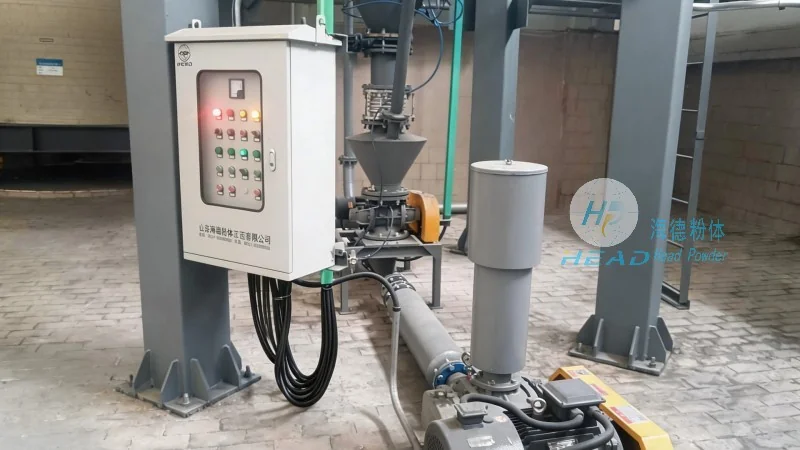
Pneumatic conveying systems use air or other gases to transport polyethylene resin powder through a pipeline. These systems can be categorized into two main types: pressure and vacuum. Pressure systems force air and material through the pipeline, while vacuum systems draw material into the line using a vacuum pump. Pneumatic conveying offers several advantages, including the ability to transport materials over long distances, handle a wide range of particle sizes, and maintain material cleanliness. This method is particularly beneficial for applications requiring dust-free or sterile environments, as the material is contained within the pipeline. However, pneumatic systems require higher energy input compared to mechanical conveyors, and they may be more complex to install and maintain. Furthermore, they can be susceptible to material buildup in the pipeline, which may lead to clogging if not properly designed or operated.
3. Belt Conveyors
Belt conveyors are another common option for polyethylene resin powder transport, especially in bulk handling applications. These systems use a continuous belt that moves material along a path, typically supported by rollers or idlers. Belt conveyors are highly effective for transporting large volumes of material over short to medium distances. They are durable, easy to install, and can handle a wide variety of materials, including polyethylene resin powder. One of the key advantages of belt conveyors is their ability to handle heavy loads and maintain a consistent speed, which ensures reliable material flow. However, belt conveyors are not suitable for vertical transport or steep inclines, as the material may slip or fall off the belt. Additionally, they require regular maintenance to prevent belt wear and ensure proper alignment, which can increase operational costs over time.
4. Comparison and Selection Criteria
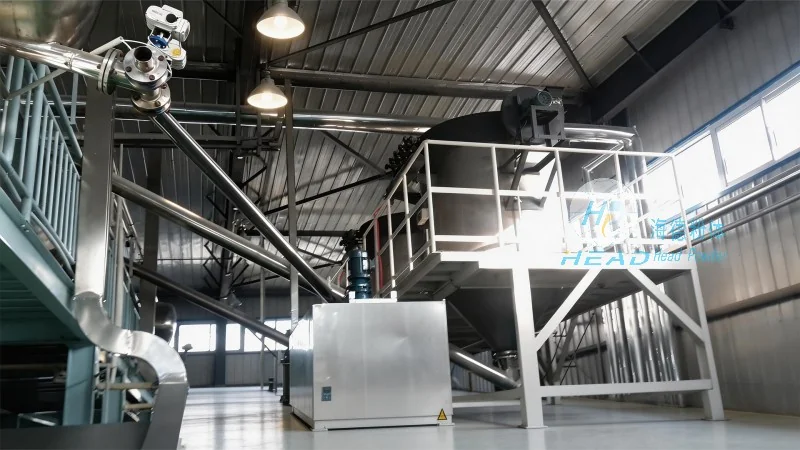
When comparing these conveying methods, several factors should be considered to determine the most suitable option for a specific application. First, the material properties of the polyethylene resin powder, such as its density, flowability, and tendency to clog, play a critical role. For example, screw conveyors may be preferred for free-flowing powders, while pneumatic systems are better suited for sticky or cohesive materials. Second, the distance and layout of the facility are important considerations. Screw and belt conveyors are ideal for short to medium distances, while pneumatic systems can handle longer distances. Third, the required material handling capacity and throughput must be matched with the conveyor's design. Finally, operational costs, including energy consumption, maintenance requirements, and initial investment, should be evaluated to ensure cost-effectiveness.
Conclusion and Recommendations
Choosing the right conveying method for polyethylene resin powder is essential for optimizing production efficiency and maintaining material quality. Each method has its strengths and limitations, and the best choice depends on the specific needs of the application. For small-scale operations with short transport distances and free-flowing materials, screw conveyors may be the most economical option. For applications requiring long-distance transport or dust-free environments, pneumatic conveying systems are often the preferred choice. Belt conveyors are suitable for bulk handling and medium-distance transport but may require more maintenance. Ultimately, manufacturers should conduct thorough assessments of their material properties, operational requirements, and budget constraints to select the most appropriate conveying system.

 Công ty TNHH Kỹ thuật Công trình Bột Hải Đức Sơn Đông
 156-6277-7102(Quản lý Trương)
  0531-83386006
  Quận Chương Khâu, Thành phố Tế Nam, Tỉnh Sơn Đông, Trung Quốc
Điện thoại
WeChatTư vấn
Lên đầu