Công ty Hải Đức Bột với hơn 10 năm kinh nghiệm vận chuyển khí, cung cấp hệ thống‑thiết bị‑quạt gió và nhận dự án tổng thầu bột cả nước
When it comes to handling and transporting powder electrolytes in industrial applications, selecting the right conveying method is crucial for efficiency, safety, and cost-effectiveness. Powder electrolytes, such as those used in battery manufacturing, require specialized equipment to ensure reliable and consistent transport. This article provides a detailed comparison of common powder electrolyte conveying methods, highlighting their advantages, limitations, and ideal applications. We will explore several key technologies, including screw conveyors, pneumatic conveyors, and vibratory conveyors, to help you make an informed decision for your specific needs.
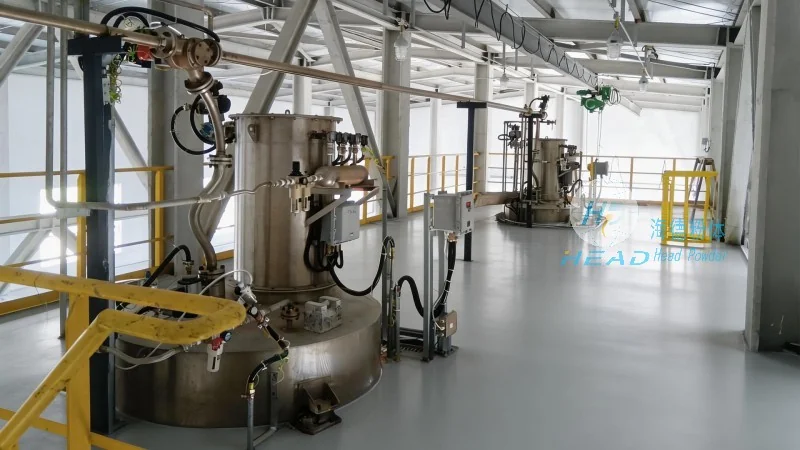
Overview of Powder Electrolyte Conveying Methods
Powder electrolytes are often used in high-tech industries like lithium-ion battery production, where precise handling is essential. The choice of conveying method depends on factors like material characteristics (e.g., particle size, moisture content, flowability), production scale, and environmental considerations. Below, we analyze three widely used methods, each with its own strengths and use cases.
Screw Conveyors: A Traditional and Reliable Option
Screw conveyors, also known as auger conveyors, are one of the most common solutions for transporting dry powders, including electrolytes. This equipment consists of a rotating screw (auger) inside a trough or tube, which moves material forward through the system. The design is simple, making it suitable for a wide range of applications. HeadPowder, a leading manufacturer in China, offers high-quality screw conveyors tailored to the demands of electrolyte handling. Our screw conveyors are engineered with durable materials to withstand the corrosive nature of many electrolytes and feature adjustable speed controls for precise material flow. The key advantages of screw conveyors include their ability to operate in a closed system, minimizing dust exposure and contamination. They are also relatively low-cost and easy to install, making them a popular choice for medium to large-scale operations. However, screw conveyors may struggle with sticky or cohesive materials, as these can cause blockages or reduced efficiency. For applications involving fine powders or highly abrasive electrolytes, additional maintenance and material handling considerations are necessary.
Pneumatic Conveyors: Ideal for High-Purity and Dust-Free Transport
Pneumatic conveyors use air or other gases to transport powder electrolytes through a pipeline system. This method is particularly suitable for applications requiring a dust-free environment, such as in pharmaceutical or battery manufacturing. The system typically includes a hopper, a blower, and a receiver, with the powder suspended in the air stream. HeadPowder’s pneumatic conveyor solutions are designed to maintain high purity standards, ensuring that the electrolyte remains uncontaminated during transport. One of the primary benefits of pneumatic conveyors is their ability to handle fine powders and prevent segregation, which is critical for maintaining consistent material properties. They also offer flexibility in layout, as the pipeline can be arranged in various configurations to suit plant design. However, pneumatic conveyors require more energy compared to mechanical systems and may not be suitable for very large volumes or heavy materials. The system also needs regular maintenance to prevent air leaks and ensure consistent performance.
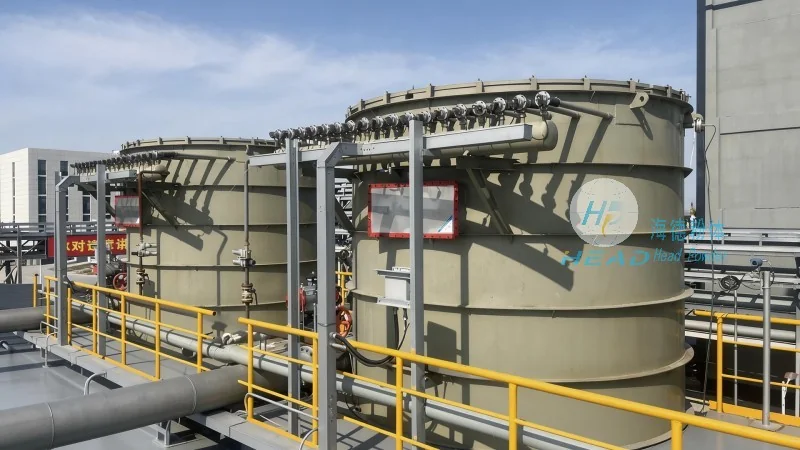
Vibratory Conveyors: Efficient for Bulk and Cohesive Materials
Vibratory conveyors utilize vibration to move powder electrolytes along a trough. This method is effective for handling bulk materials, especially those with poor flowability or high moisture content. The conveyor consists of a trough supported by springs and driven by an electric motor, which creates a shaking motion to propel the material forward. HeadPowder’s vibratory conveyors are optimized for electrolytes that tend to stick or clump together, such as certain lithium salts. These conveyors feature adjustable vibration frequencies and amplitudes, allowing operators to fine-tune the system for optimal performance. The main advantages of vibratory conveyors include their ability to handle large volumes of material with minimal power consumption and their suitability for long-distance transport. They are also relatively low-maintenance compared to other systems, as there are fewer moving parts. However, vibratory conveyors may not be ideal for very fine powders, as the vibration can cause segregation or uneven distribution. Additionally, they require proper alignment and foundation to avoid structural issues over time.
Comparative Analysis: Choosing the Right Conveying Method
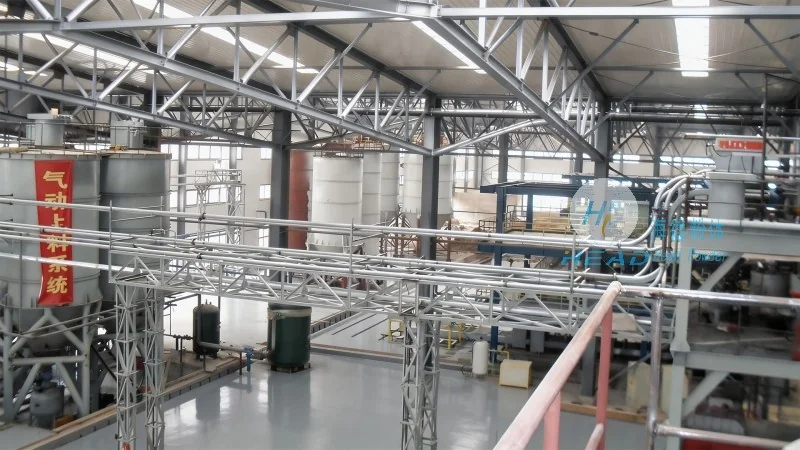
When selecting a powder electrolyte conveying method, it is essential to consider several factors, including material properties, production scale, and operational environment. Below is a comparative summary of the three methods discussed:
Screw Conveyors: Best for medium to large volumes of dry, free-flowing electrolytes. They are cost-effective and easy to install but may struggle with sticky or fine powders.
Pneumatic Conveyors: Ideal for high-purity applications and fine powders. They offer dust-free transport and flexibility but require more energy and maintenance.
Vibratory Conveyors: Suitable for bulk, cohesive materials and long-distance transport. They are energy-efficient and low-maintenance but may not handle very fine powders well.
HeadPowder, with its extensive experience in the industry, provides customized conveying solutions to meet the unique needs of each client. Our team of engineers works closely with customers to assess their material characteristics, production requirements, and operational constraints, ensuring the selection of the most appropriate conveying method. Whether you need a screw conveyor for routine electrolyte transport or a pneumatic system for high-purity applications, HeadPowder offers reliable and efficient equipment designed to enhance your production process.

 Công ty TNHH Kỹ thuật Công trình Bột Hải Đức Sơn Đông
 156-6277-7102(Quản lý Trương)
  0531-83386006
  Quận Chương Khâu, Thành phố Tế Nam, Tỉnh Sơn Đông, Trung Quốc
Điện thoại
WeChatTư vấn
Lên đầu