Công ty Hải Đức Bột với hơn 10 năm kinh nghiệm vận chuyển khí, cung cấp hệ thống‑thiết bị‑quạt gió và nhận dự án tổng thầu bột cả nước
For industrial applications, the efficient and reliable transport of fly ash is crucial for maintaining operational efficiency and safety. Fly ash, a byproduct of coal combustion, requires specialized conveying systems to handle its characteristics, such as fine particle size and potential moisture content. The choice of conveying method depends on factors like material properties, distance, and environmental considerations. This article explores the primary methods used for fly ash transport, highlighting the technologies and considerations involved.
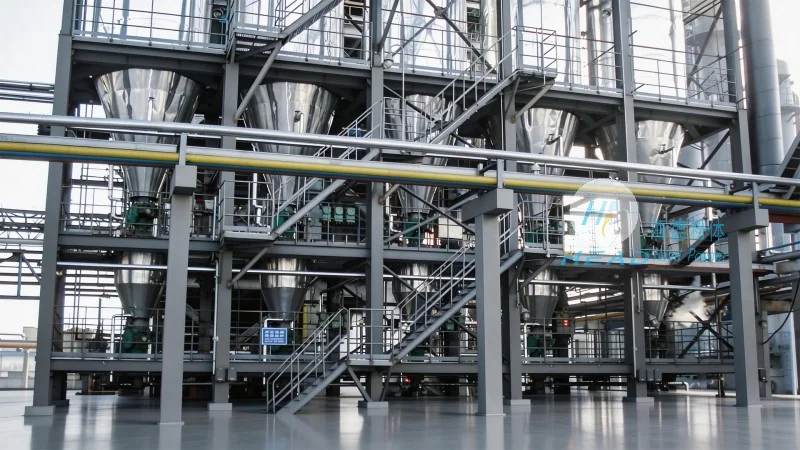
About HeadPowder: Your Partner in Fly Ash Handling Solutions
HeadPowder, or Shandong HeadPowder Engineering Co., Ltd., is a leading provider of engineering solutions for the handling and transport of fly ash. With operations based in Shandong, China, the company specializes in designing and manufacturing systems tailored to the unique needs of power plants and industrial facilities. Their expertise in material handling ensures that clients receive reliable, efficient, and cost-effective solutions for fly ash conveying.
Common Fly Ash Conveying Methods
Several methods are commonly employed for fly ash transport, each with its own advantages and applications. The selection of a method depends on the specific requirements of the project, including the distance to be covered, the volume of material, and the environmental regulations in place. Key methods include:
Pneumatic Conveying Systems
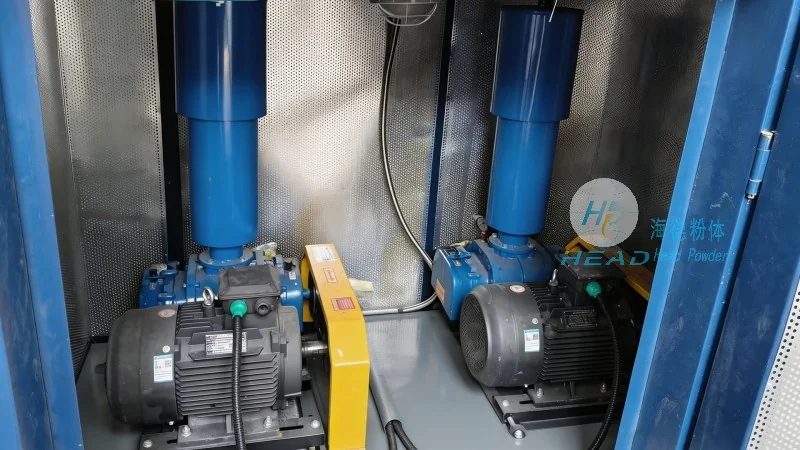
Pneumatic conveying uses air pressure to move fly ash through a pipeline. This method is particularly effective for handling fine, dry materials and can be either positive or negative pressure systems. Positive pressure systems push the material through the line using compressed air, while negative pressure systems draw the material in using vacuum. Pneumatic systems are well-suited for short to medium distances and can handle high volumes with minimal maintenance. HeadPowder offers advanced pneumatic solutions that ensure consistent performance and low operational costs.
Mechanical Conveying Systems
Mechanical conveying methods rely on mechanical components to transport fly ash. These include belt conveyors, screw conveyors, and bucket elevators. Belt conveyors are ideal for horizontal or slight incline transport, capable of handling large volumes of material over long distances. Screw conveyors use a rotating screw to move material in a closed tube, suitable for vertical or horizontal transport with minimal spillage. Bucket elevators are used for vertical transport, lifting material from lower to upper levels efficiently. Mechanical systems are often preferred for their simplicity and reliability, making them a popular choice in many industrial settings.
Hybrid Conveying Systems
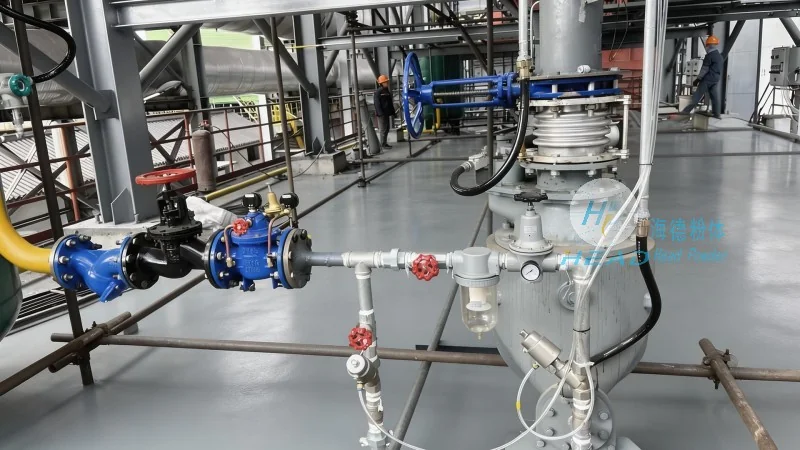
Hybrid systems combine elements of both pneumatic and mechanical conveying to leverage the strengths of each method. For example, a system might use a mechanical conveyor to transport material to a pneumatic line for the final stage of transport. This approach allows for flexibility in handling different material characteristics and distances. Hybrid systems are particularly useful in complex layouts where multiple transport stages are required, ensuring efficient and cost-effective fly ash management.
Key Considerations for Fly Ash Conveying
When selecting a fly ash conveying method, several factors must be considered to ensure optimal performance and compliance with regulations. Material properties, such as particle size distribution and moisture content, significantly impact the choice of system. The distance and layout of the transport route also influence the technology used. Additionally, environmental regulations may require dust control measures, which can affect the design of the conveying system. HeadPowder’s engineering team evaluates these factors to provide customized solutions that meet both operational and regulatory requirements.
Conclusion
Choosing the right fly ash conveying method is essential for the efficient operation of power plants and industrial facilities. Whether using pneumatic, mechanical, or hybrid systems, the goal is to ensure reliable, low-maintenance transport of fly ash while minimizing environmental impact. HeadPowder, with its expertise and tailored solutions, helps clients select and implement the most suitable conveying systems for their specific needs, contributing to improved operational efficiency and sustainability.

 Công ty TNHH Kỹ thuật Công trình Bột Hải Đức Sơn Đông
 156-6277-7102(Quản lý Trương)
  0531-83386006
  Quận Chương Khâu, Thành phố Tế Nam, Tỉnh Sơn Đông, Trung Quốc
Điện thoại
WeChatTư vấn
Lên đầu