Công ty Hải Đức Bột với hơn 10 năm kinh nghiệm vận chuyển khí, cung cấp hệ thống‑thiết bị‑quạt gió và nhận dự án tổng thầu bột cả nước
Heavy powder conveying is a critical process in various industrial applications, ensuring the efficient and safe transport of bulk materials. The choice of conveying method depends on factors such as material properties, operational requirements, and environmental considerations. This article explores the primary types of heavy powder conveying systems, highlighting their characteristics, advantages, and typical applications.
1. Gravity Conveying Systems
Gravity conveying systems utilize the natural force of gravity to move powders from a higher elevation to a lower one. These systems are commonly used for short to medium distances and are particularly effective for materials with a relatively high density and low moisture content. The design typically involves a sloped pipe or chute, allowing the powder to flow under the influence of gravity without the need for external power. This method is often cost-effective and energy-efficient, making it suitable for applications where the material can be conveyed over a gentle slope. However, the effectiveness of gravity conveying is limited by the material's angle of repose and the length of the conveying path. For instance, in the food processing industry, gravity chutes are used to transport dry ingredients like flour or sugar from storage silos to processing lines. The smooth operation of these systems relies on proper chute design, including appropriate angles and material selection to prevent blockages or material degradation.
2. Mechanical Conveying Systems
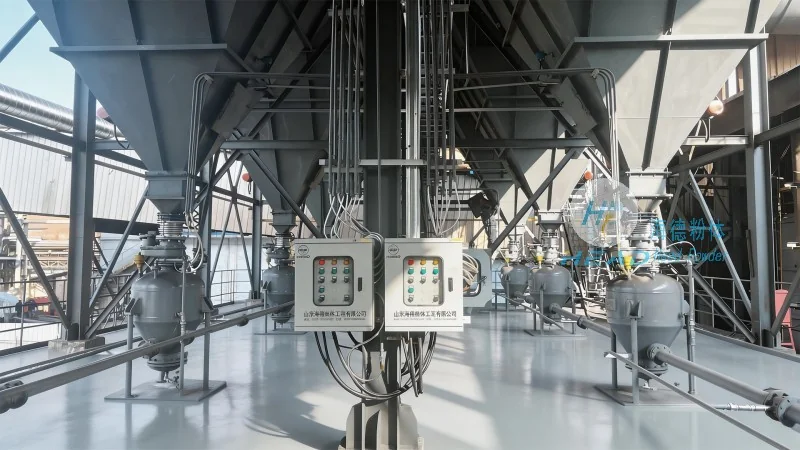
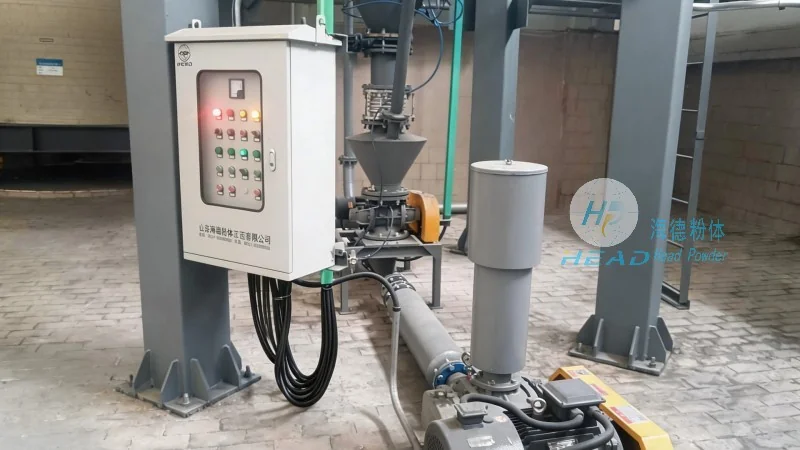
Mechanical conveying systems employ mechanical components to move powders, offering greater control and flexibility compared to gravity systems. These systems are widely used in industries such as pharmaceuticals, chemicals, and food processing, where precise control over material flow is essential. The most common types of mechanical conveyors include screw conveyors, belt conveyors, and pneumatic conveyors. Screw conveyors use a rotating screw or auger to push material forward, making them suitable for a variety of powders, including those with high moisture content or sticky properties. They are often used in vertical or inclined applications, such as transporting bulk materials from a lower storage area to a higher processing level. Belt conveyors, on the other hand, use a continuous belt to transport materials horizontally or at a slight incline. These systems are ideal for moving large quantities of powders over longer distances and can be equipped with various accessories, such as hoppers and discharge chutes, to enhance functionality. Pneumatic conveyors, also known as air conveying systems, use compressed air to transport powders through a pipeline. This method is particularly effective for materials that are dusty or require a closed system to prevent contamination. Pneumatic conveyors can be classified as positive or negative pressure systems, depending on whether the air pressure is higher or lower than the ambient pressure. Positive pressure systems push the material through the pipeline using compressed air, while negative pressure systems create a vacuum to draw the material in. Both types are widely used in industries like cement, chemicals, and food processing, where the transport of powders in a controlled environment is crucial.
3. Hydraulic Conveying Systems
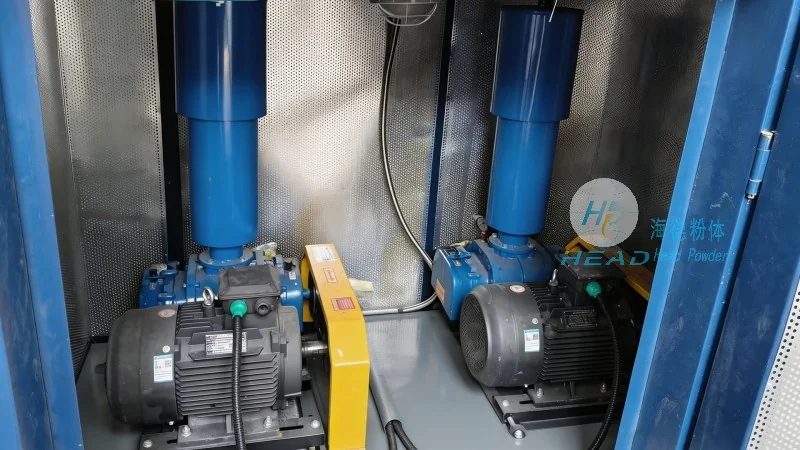
Hydraulic conveying systems utilize hydraulic pressure to move powders through a pipeline. These systems are typically used for high-capacity applications, such as transporting large volumes of bulk materials over long distances. The primary components of a hydraulic conveying system include a pump, a hydraulic fluid reservoir, and a pipeline. The pump circulates hydraulic fluid through the pipeline, creating pressure that propels the powder along with it. This method is particularly effective for materials with high abrasiveness or those that are difficult to convey using other methods. Hydraulic conveying systems are often used in the mining and cement industries, where the transport of raw materials over long distances is required. The advantages of hydraulic conveying include high efficiency and the ability to handle a wide range of materials, including those with high moisture content or sticky properties. However, these systems require significant maintenance and are generally more expensive than other conveying methods. The design of hydraulic conveying systems must consider factors such as the material's density, viscosity, and the pipeline's diameter and length to ensure optimal performance.
4. Air-Liquid Conveying Systems
Air-liquid conveying systems combine the use of air and liquid to transport powders. These systems are particularly effective for materials that are difficult to convey using traditional methods, such as those with high moisture content or those that are prone to caking. The process involves mixing the powder with a liquid, such as water or a carrier fluid, to form a slurry. The slurry is then pumped through a pipeline using a positive displacement pump. The liquid helps to keep the powder suspended and prevents blockages, making the system more reliable and efficient. Air-liquid conveying systems are commonly used in the chemical and pharmaceutical industries, where the transport of sensitive materials is required. The advantages of these systems include high capacity and the ability to handle materials with varying properties. However, the system requires additional equipment for slurry preparation and may involve higher operating costs due to the need for liquid handling. The design of air-liquid conveying systems must consider the material's compatibility with the liquid, the pump's capacity, and the pipeline's diameter to ensure proper operation.
5. Vibrating Conveying Systems
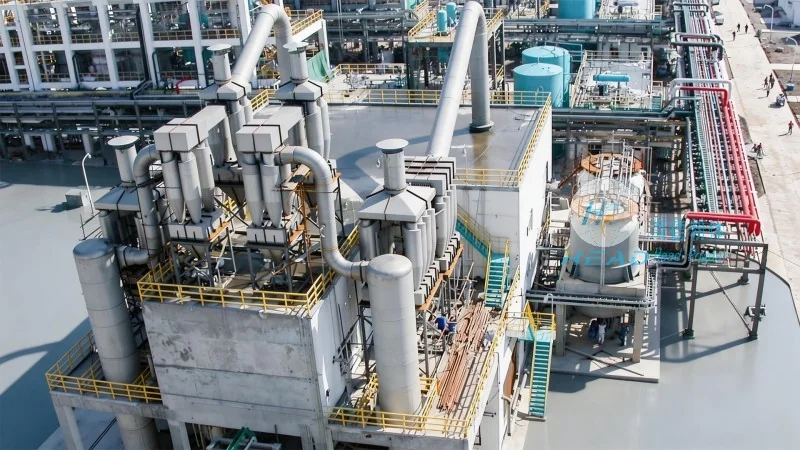
Vibrating conveying systems use vibrations to move powders through a pipeline. These systems are typically used for short to medium distances and are particularly effective for materials with low flowability or those that are prone to bridging. The design involves a pipeline that is mounted on a vibrating mechanism, which causes the material to move forward due to the vibrations. The frequency and amplitude of the vibrations can be adjusted to optimize the conveying performance for different materials. Vibrating conveyors are commonly used in the food and pharmaceutical industries, where the transport of powders in a clean and hygienic environment is essential. The advantages of these systems include low maintenance and the ability to handle materials with high moisture content or sticky properties. However, the system may require additional space and may not be suitable for long-distance applications. The design of vibrating conveying systems must consider the material's angle of repose, the pipeline's length, and the vibration characteristics to ensure efficient operation.
6. Magnetic Conveying Systems
Magnetic conveying systems utilize magnetic forces to move powders, particularly those containing magnetic particles. These systems are commonly used in the recycling and metal processing industries, where the separation of magnetic materials from non-magnetic ones is required. The design involves a magnetic field generated by electromagnets or permanent magnets, which attracts the magnetic particles and moves them along the pipeline. The system can be integrated with other conveying methods, such as screw or belt conveyors, to enhance functionality. Magnetic conveying systems are particularly effective for materials with high magnetic content, such as iron or steel powders. The advantages of these systems include high efficiency and the ability to handle materials with varying magnetic properties. However, the system requires regular maintenance to ensure the magnetic field remains strong and effective. The design of magnetic conveying systems must consider the material's magnetic susceptibility, the magnetic field strength, and the pipeline's dimensions to ensure proper operation.
7. Combination Conveying Systems
Combination conveying systems integrate multiple conveying methods to address the specific needs of an application. These systems are often used in complex industrial processes where a single method may not be sufficient. For example, a combination system might use a gravity conveyor for the initial transport of material from a storage silo to a processing area, followed by a mechanical conveyor for further transport. This approach allows for greater flexibility and efficiency, as each component of the system can be optimized for its specific role. Combination conveying systems are commonly used in the cement and chemical industries, where the transport of bulk materials over long distances is required. The advantages of these systems include high adaptability and the ability to handle a wide range of materials. However, the system may be more complex and require additional maintenance. The design of combination conveying systems must consider the overall process flow, the material properties, and the operational requirements to ensure optimal performance.
When selecting a heavy powder conveying system, it is essential to consider factors such as the material's properties, the conveying distance, the required capacity, and the environmental conditions. Each type of system has its own advantages and limitations, and the choice should be based on a thorough analysis of the specific application. By understanding the different types of heavy powder conveying methods, industries can choose the most suitable system to ensure efficient, safe, and cost-effective material transport. The expertise of companies like Shandong HeadPowder Engineering Co., Ltd., with their extensive experience in industrial conveying solutions, can provide valuable guidance in selecting and implementing the appropriate conveying system for various industrial needs.

 Công ty TNHH Kỹ thuật Công trình Bột Hải Đức Sơn Đông
 156-6277-7102(Quản lý Trương)
  0531-83386006
  Quận Chương Khâu, Thành phố Tế Nam, Tỉnh Sơn Đông, Trung Quốc
Điện thoại
WeChatTư vấn
Lên đầu