Công ty Hải Đức Bột với hơn 10 năm kinh nghiệm vận chuyển khí, cung cấp hệ thống‑thiết bị‑quạt gió và nhận dự án tổng thầu bột cả nước
HeadPowder, a leading engineering company based in Shandong, China, specializes in providing comprehensive solutions for powder handling and conveying systems. With years of expertise in the field, the company has developed advanced technologies and equipment tailored to meet the diverse needs of industries such as pharmaceuticals, chemicals, food processing, and more. This article explores the various powder conveying methods used in industrial applications, highlighting the key features and applications of each approach.
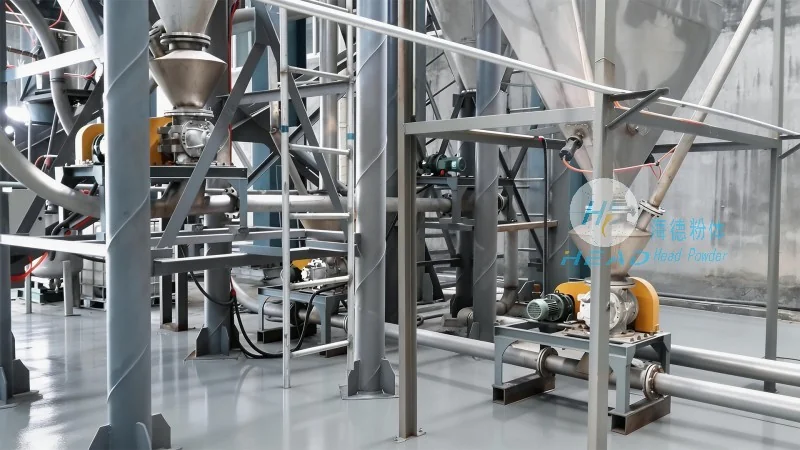
Understanding Powder Conveying: The Foundation of Efficient Material Handling
Powder conveying is a critical process in many industrial sectors, as it involves the movement of bulk materials from one location to another. The efficiency and reliability of the conveying system directly impact production throughput, product quality, and operational costs. HeadPowder recognizes the importance of selecting the right conveying method for specific applications, which is why they offer a range of customized solutions designed to optimize performance and minimize downtime.
1. Air-Pressure Conveying Systems
One of the most common and versatile powder conveying methods is air-pressure conveying, also known as pneumatic conveying. This system uses compressed air or gas to transport powders through a network of pipes. HeadPowder's air-pressure conveying systems are engineered to handle a wide variety of powders, including fine, dusty, or abrasive materials. The technology offers several advantages, such as the ability to transport materials over long distances, handle multiple points of discharge, and maintain product integrity by minimizing exposure to contaminants. The company's advanced designs incorporate features like positive pressure, negative pressure, or a combination of both, depending on the specific requirements of the application.
2. Mechanical Conveying Systems
For applications where air-pressure systems are not suitable or cost-effective, mechanical conveying methods are often preferred. HeadPowder provides a range of mechanical conveying solutions, including screw conveyors, belt conveyors, and bucket elevators. Screw conveyors are particularly effective for transporting free-flowing powders in a horizontal or slightly inclined direction. They are simple in design, low-maintenance, and can handle a variety of materials, from granules to fine powders. Belt conveyors, on the other hand, are ideal for moving bulk materials over longer distances and at higher speeds. These systems are commonly used in industries like mining, construction, and food processing. Bucket elevators are used to lift powders vertically, making them suitable for applications where vertical transport is required. HeadPowder's mechanical conveying systems are designed with durability and efficiency in mind, ensuring reliable performance in demanding environments.
3. Hydraulic Conveying Systems
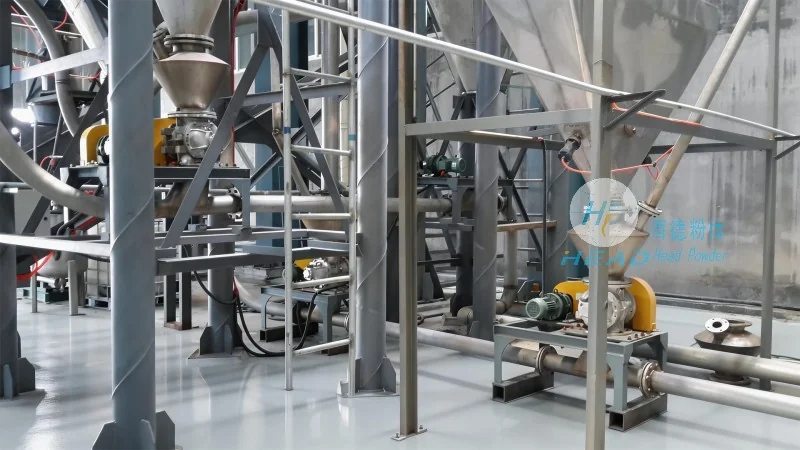
Hydraulic conveying systems utilize water or other liquids to transport powders, particularly in applications involving wet or slurry materials. This method is often used in the mining and mineral processing industries to move ore and other materials from one processing stage to another. HeadPowder's hydraulic conveying solutions are engineered to handle high volumes of material and can be integrated with other processing equipment. The system operates by pumping a slurry through pipes, which can be controlled to adjust the flow rate and pressure. Hydraulic conveying offers advantages such as the ability to transport materials over long distances with minimal energy consumption and the ability to handle abrasive or corrosive materials. However, it requires proper maintenance to prevent clogging and ensure efficient operation.
4. Vacuum Conveying Systems
Vacuum conveying systems are another type of pneumatic conveying method that uses a vacuum to draw powders into a collection container. This approach is commonly used for handling fine powders and is particularly effective when the material needs to be collected from multiple points or when the material is sensitive to air exposure. HeadPowder's vacuum conveying systems are designed to provide gentle handling of powders, minimizing product degradation and ensuring consistent quality. The systems are often used in pharmaceutical and food industries where product purity and contamination control are critical. The technology allows for the safe and efficient transport of powders without the need for high-pressure air, making it a cost-effective solution for many applications.
5. Combination Conveying Systems
In many industrial settings, a single conveying method may not be sufficient to meet all the requirements of a process. HeadPowder offers combination conveying systems that integrate multiple technologies to achieve optimal performance. For example, a system might combine air-pressure conveying for horizontal transport with a mechanical conveyor for vertical lifting. These hybrid systems are designed to handle complex material flows, such as those involving multiple product types or varying material characteristics. By combining the strengths of different conveying methods, HeadPowder's combination systems provide flexibility and efficiency, ensuring that materials are transported safely and effectively from the source to the destination.
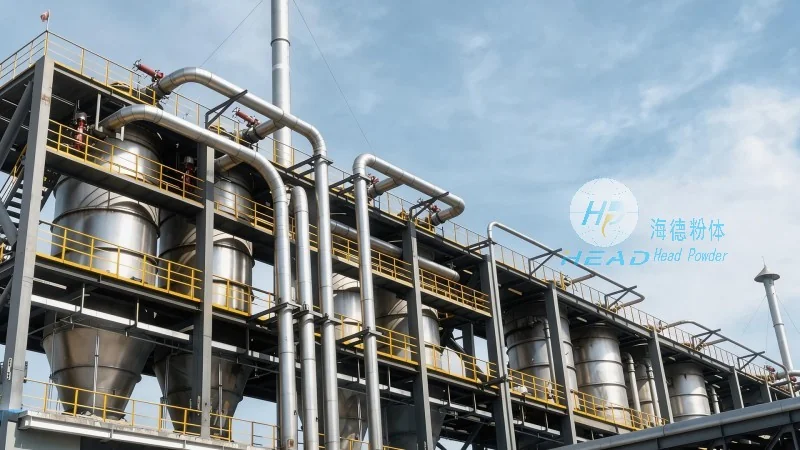
Choosing the Right Powder Conveying Method: Factors to Consider
When selecting a powder conveying method, several factors must be considered to ensure the best fit for a specific application. HeadPowder recommends evaluating the following aspects:
1. Material Properties: The characteristics of the powder, such as particle size, density, flowability, and abrasiveness, play a crucial role in determining the most suitable conveying method. For example, fine powders may require gentle handling, while abrasive materials may need more robust equipment.
2. Distance and Layout: The distance between the source and destination, as well as the layout of the facility, will influence the choice of conveying system. Long-distance transport may require air-pressure or combination systems, while short-distance transport can be handled by mechanical conveyors.
3. Environmental and Safety Requirements: Industries such as pharmaceuticals and food processing have strict regulations regarding product purity and contamination control. Vacuum or air-pressure systems that minimize exposure to air are often preferred in these sectors.
4. Cost and Maintenance: The initial investment and ongoing maintenance costs of the conveying system should be evaluated. Mechanical systems are generally lower in cost and easier to maintain, while air-pressure systems may have higher energy costs but offer greater flexibility.
Conclusion: HeadPowder's Expertise in Powder Conveying Solutions
HeadPowder Engineering Co., Ltd., based in Shandong, China, is a trusted provider of advanced powder conveying systems. With a focus on innovation and customer satisfaction, the company offers a wide range of solutions tailored to meet the unique needs of various industries. Whether it's air-pressure, mechanical, hydraulic, or vacuum conveying, HeadPowder's expertise ensures that clients receive reliable, efficient, and cost-effective equipment that enhances their operational performance. By understanding the different powder conveying methods and their applications, businesses can make informed decisions to optimize their material handling processes and improve overall productivity.

 Công ty TNHH Kỹ thuật Công trình Bột Hải Đức Sơn Đông
 156-6277-7102(Quản lý Trương)
  0531-83386006
  Quận Chương Khâu, Thành phố Tế Nam, Tỉnh Sơn Đông, Trung Quốc
Điện thoại
WeChatTư vấn
Lên đầu