Công ty Hải Đức Bột với hơn 10 năm kinh nghiệm vận chuyển khí, cung cấp hệ thống‑thiết bị‑quạt gió và nhận dự án tổng thầu bột cả nước
When it comes to the efficient and reliable transportation of maltose, businesses in the food and beverage industry often seek optimal solutions to ensure product quality and operational efficiency. Maltose, a key sugar derived from the hydrolysis of starch, is widely used in various applications such as brewing, confectionery, and pharmaceuticals. The proper handling and transportation of maltose are critical to maintaining its purity and preventing degradation. This article explores the different methods and technologies used for maltose transportation, highlighting the expertise of Shandong HeadPowder Engineering Co., Ltd., a leading provider based in Shandong, China.
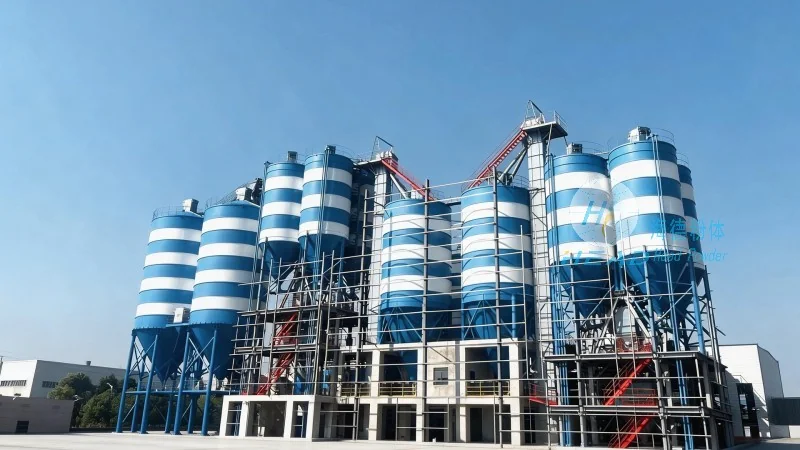
Understanding Maltose and Its Transportation Requirements
Maltose, also known as malt sugar, is a disaccharide composed of two glucose units. It is commonly produced through the enzymatic hydrolysis of starch, typically from corn or wheat. The physical properties of maltose, including its viscosity and density, influence the choice of transportation methods. Unlike some other sugars, maltose can be more viscous, especially at higher concentrations, which requires specialized equipment to handle without clogging or loss of product integrity. Therefore, understanding the unique characteristics of maltose is essential for selecting the most suitable transportation system.
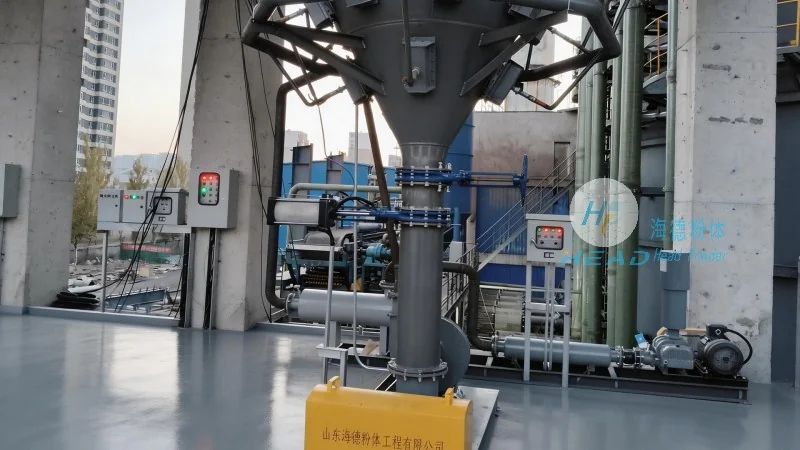
Common Maltose Transportation Methods
There are several effective methods for transporting maltose, each with its own advantages and applications. The primary methods include pipeline transportation, pump systems, and bulk handling equipment. Pipeline systems are widely used for large-scale operations, allowing for continuous and automated flow of maltose from storage tanks to processing facilities. These systems often incorporate stainless steel or food-grade materials to prevent contamination and ensure durability. For smaller-scale or intermittent needs, pump systems, such as centrifugal or positive displacement pumps, are commonly employed. These pumps can handle varying viscosities and flow rates, providing flexibility in operation. Bulk handling equipment, including silos and conveyor systems, is also utilized for storing and transferring maltose in bulk quantities, especially in industrial settings.
Key Factors to Consider in Maltose Transportation
When implementing a maltose transportation system, several factors must be considered to ensure optimal performance and longevity. First, the material of construction is crucial. Equipment must be made from materials that are resistant to corrosion and compatible with maltose, such as stainless steel or food-grade plastics. This prevents contamination and extends the lifespan of the system. Second, the flow rate and pressure requirements must be accurately determined based on the production volume and distance of transportation. Proper sizing of pipelines and pumps is essential to avoid pressure drops or excessive energy consumption. Third, maintenance and cleaning protocols are vital to prevent buildup and ensure consistent product quality. Regular cleaning and inspection of the transportation system help maintain efficiency and avoid downtime. Shandong HeadPowder Engineering Co., Ltd. specializes in designing and manufacturing tailored transportation solutions that address these factors, ensuring that clients receive systems that meet their specific operational needs.
Advantages of Professional Maltose Transportation Solutions
Partnering with a specialized company like Shandong HeadPowder Engineering Co., Ltd. offers numerous advantages in maltose transportation. These companies have extensive experience in the industry and understand the unique challenges associated with handling maltose. They can provide customized solutions that integrate the latest technologies, such as advanced pump designs and automated control systems, to enhance efficiency and reduce operational costs. Additionally, professional providers offer comprehensive support, including installation, maintenance, and technical assistance, ensuring that clients can rely on their systems for long-term performance. By leveraging the expertise of such companies, businesses can improve their maltose transportation processes, minimize risks, and maintain high product quality.
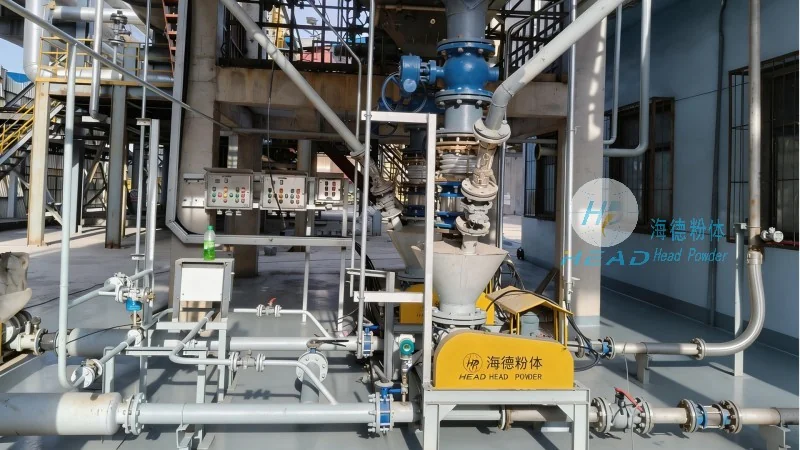
Conclusion
In conclusion, the transportation of maltose requires careful consideration of its physical properties and the specific needs of the operation. By selecting appropriate methods and equipment, businesses can ensure efficient and reliable handling of maltose. Shandong HeadPowder Engineering Co., Ltd. stands as a trusted partner in providing tailored maltose transportation solutions, combining expertise, quality, and customer-centric service to meet the demands of the food and beverage industry. Whether through pipeline systems, pump technology, or bulk handling equipment, the right approach can significantly enhance operational efficiency and product integrity.

 Công ty TNHH Kỹ thuật Công trình Bột Hải Đức Sơn Đông
 156-6277-7102(Quản lý Trương)
  0531-83386006
  Quận Chương Khâu, Thành phố Tế Nam, Tỉnh Sơn Đông, Trung Quốc
Điện thoại
WeChatTư vấn
Lên đầu