Công ty Hải Đức Bột với hơn 10 năm kinh nghiệm vận chuyển khí, cung cấp hệ thống‑thiết bị‑quạt gió và nhận dự án tổng thầu bột cả nước
When it comes to the transportation of petroleum coke, various methods are employed to ensure efficient and safe delivery from production sites to end-users. The choice of transportation method often depends on factors such as distance, volume, cost, and the specific characteristics of the petroleum coke being transported. In this article, we will explore the common methods used for petroleum coke transportation, highlighting the key aspects of each approach.
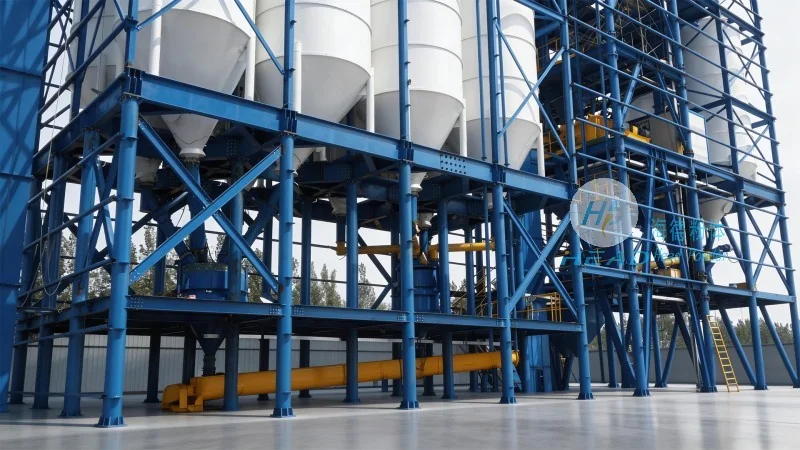
1. Pipeline Transportation
Pipeline transportation is a highly efficient method for moving large volumes of petroleum coke over long distances. This method involves transporting the coke through a network of pipelines, which are typically made of steel or other durable materials. The pipeline system allows for continuous and automated flow, reducing the need for manual handling and minimizing the risk of spills or accidents. For companies like Shandong HeadPowder Engineering Co., Ltd., based in China, pipeline transportation is often used for bulk shipments to nearby industrial facilities or ports. The advantages of this method include lower labor costs, reduced environmental impact, and the ability to maintain a consistent flow rate. However, pipeline construction can be expensive, and the system requires regular maintenance to ensure optimal performance.
2. Railway Transportation
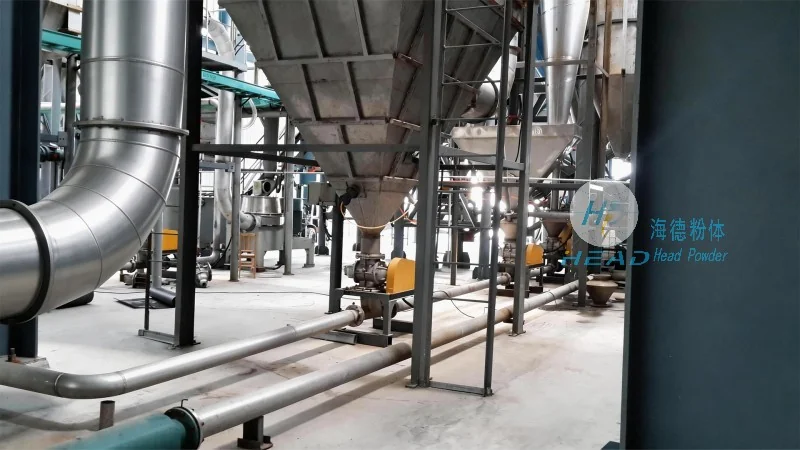
Railway transportation is another popular option for petroleum coke delivery, especially when dealing with medium to large volumes over moderate distances. This method involves loading the petroleum coke into specialized railcars, such as hopper cars or bulk freight cars. The railway system provides a reliable and cost-effective way to transport coke from production plants to distribution centers or ports. Companies like headpowder, based in Shandong, China, may utilize railway transportation to move coke to major industrial hubs or export terminals. The benefits of railway transport include the ability to handle large quantities, lower per-unit transportation costs compared to road transport, and the flexibility to route trains to various destinations. However, railway transportation is subject to scheduling constraints and may require additional handling at rail yards, which can add time and cost to the overall process.
3. Waterway Transportation
Waterway transportation, including shipping via barges or tankers, is commonly used for the long-distance movement of petroleum coke, particularly when transporting large volumes to international markets. This method involves loading the coke into bulk carriers or specialized vessels designed to handle heavy cargo. For companies operating in China, waterway transportation is often used to export petroleum coke to overseas destinations, leveraging the country's extensive coastline and major ports. The advantages of waterway transport include its low cost per ton-mile, the ability to carry extremely large quantities, and the reduced wear and tear on the cargo compared to other modes of transport. However, this method is dependent on weather conditions and port availability, and it may involve longer transit times compared to road or rail transport. Additionally, the process of loading and unloading at ports requires specialized equipment and skilled personnel.
4. Road Transportation
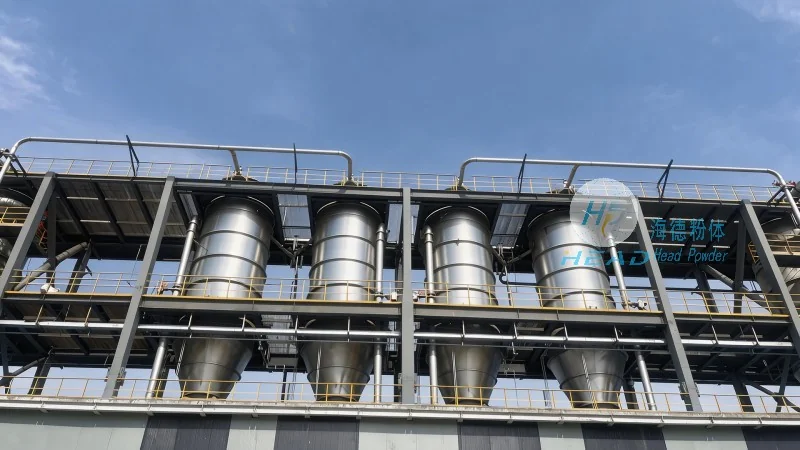
Road transportation, using trucks or trailers, is suitable for shorter distances and smaller to medium volumes of petroleum coke. This method offers flexibility and can reach locations that are not easily accessible by rail or water. Companies like headpowder may use road transport to deliver petroleum coke to nearby customers, construction sites, or distribution centers. The benefits of road transport include quick delivery times, the ability to navigate local roads and traffic, and the convenience of door-to-door service. However, road transport is generally more expensive per ton-mile compared to rail or water transport, and it may be subject to traffic congestion and regulatory restrictions on load capacity and weight. Additionally, the environmental impact of road transport, such as emissions and noise, is a consideration for companies focusing on sustainability.
5. Combined Transport Solutions
In many cases, a combination of transportation methods is used to optimize the logistics of petroleum coke delivery. For example, a company might use pipeline transport from the production plant to a nearby port, followed by waterway transport to an international destination. Alternatively, railway transport could be used to move coke from the plant to a distribution center, with road transport completing the final delivery to the customer. This integrated approach allows companies to leverage the strengths of each mode of transport, reducing costs, improving efficiency, and ensuring timely delivery. For businesses like Shandong HeadPowder Engineering Co., Ltd., based in China, developing a comprehensive transport strategy that combines multiple methods is essential for meeting the diverse needs of their clients and maintaining a competitive edge in the market.

 Công ty TNHH Kỹ thuật Công trình Bột Hải Đức Sơn Đông
 156-6277-7102(Quản lý Trương)
  0531-83386006
  Quận Chương Khâu, Thành phố Tế Nam, Tỉnh Sơn Đông, Trung Quốc
Điện thoại
WeChatTư vấn
Lên đầu